The Health Implications of the 2026–27 El Niño Phenomenon
The 2026–27 El Niño climate cycle is emerging as one of the most intense in recent history, with implications that extend far beyond immediate weather disruptions. This phenomenon, characterized by warmer than usual sea surface temperatures in the Pacific Ocean, is known for its capacity to create droughts and floods across various regions. Currently, areas like Panama and Indonesia are experiencing reduced rainfall, while Brazil is preparing for potential wildfires. The historical context of El Niño events reveals long-lasting economic and health repercussions; for instance, the 1982–83 El Niño resulted in a staggering global income loss of $4.1 trillion, while the 1997–98 event saw losses reach $5.7 trillion. Notably, life expectancy in several Pacific Rim countries dropped significantly during these events, highlighting the profound impact of climatic disruptions on human health.
As the 2026–27 El Niño unfolds, its effects will hinge not only on the severity of the weather but also on the resilience of food and health systems in affected regions. The World Health Organization (WHO) and other international bodies are acutely aware of these risks, yet climate change, food insecurity, and health crises are often treated as separate issues, despite their interdependence. The real danger lies in how this El Niño interacts with existing global crises, such as the ongoing conflicts in Ukraine and Iran, which have already strained agricultural production and trade.
Beyond the Credits
Words from our Sponsor.
The potential for catastrophic outcomes is amplified when considering the current vulnerabilities in food systems. The WHO describes El Niño as a 'risk modifier,' indicating that its health effects are contingent upon the existing weaknesses within populations and their infrastructures. Projections suggest that this El Niño could result in 451,000 additional heat-related deaths, particularly in low- and middle-income countries, further underscoring the urgency of addressing these interconnected challenges.
Food Security Challenges Amidst El Niño
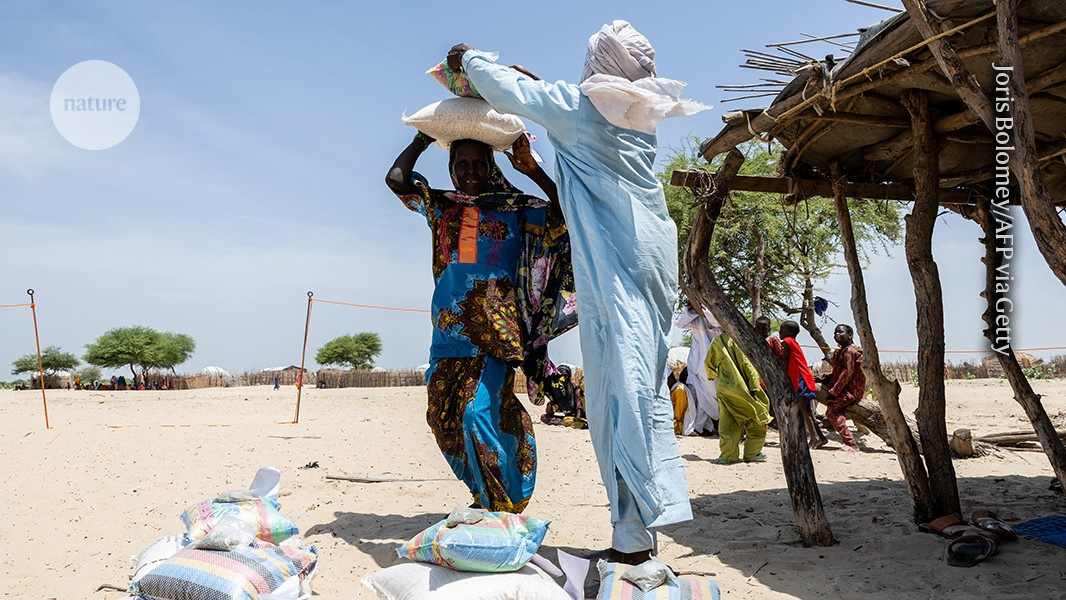
The anticipated health risks are not solely linked to extreme weather events but also to the disruptions in food supply chains. The UN Food and Agriculture Organization (FAO) has warned that the current El Niño could exacerbate food insecurity in regions already facing dire conditions. For example, it is estimated that 57% of Somalia's population and 51% of Haiti's are currently undernourished. The implications of reduced agricultural output, particularly in staple crops like maize in South Africa, are concerning, as previous El Niño events have led to significant declines in production.
After the Applause
Moreover, food shortages can lead to shifts in dietary habits, potentially increasing reliance on wild meat and elevating the risk of zoonotic diseases. Historical evidence suggests that severe climatic events have previously coincided with famines and public health crises, indicating a pattern that could repeat itself. The current El Niño's timing, amidst a backdrop of rising food prices and inflation, raises critical questions about the resilience of food systems and the health of populations worldwide.
As we brace for the consequences of this super El Niño, it is essential to recognize the intricate web of factors at play. Understanding the links between climate, food security, and health is vital for anticipating and mitigating the broader health implications of this significant climatic event. The lessons from past El Niño occurrences remind us that preparedness and proactive measures are crucial in navigating the challenges ahead.