Exploring Algorithmic Ableism Through the Last Ditch Bar Controversy
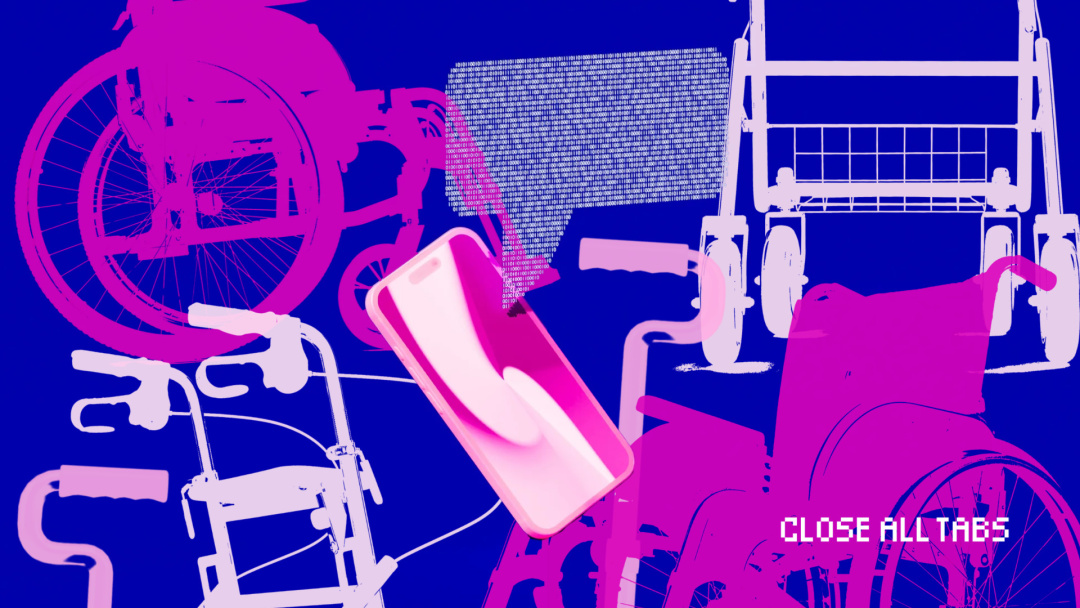
The closure of the Last Ditch bar, a space originally designed for COVID-conscious patrons, ignited a viral conversation that quickly spiraled into a broader discussion about algorithmic ableism. This term, coined by researcher Jess Rauchberg, highlights how social media platforms often amplify negative portrayals of disabled individuals while marginalizing their voices. As the bar lifted its masking policy to attract more patrons, backlash ensued, with accusations that it was contributing to a mass disabling event.
Rauchberg, who has experienced the challenges of being a disabled content creator, noted that the vitriol directed at the bar was symptomatic of a larger issue within online platforms. The discourse surrounding the bar's decision became less about the specific community it served and more about ridiculing those who were still concerned about COVID safety and disability rights. This shift in focus illustrates how social media can distort community conversations, turning them into spectacles of outrage.
Beyond the Credits
Words from our Sponsor.
The Last Ditch bar's situation exemplifies a growing trend where disabled individuals are often treated as targets for ridicule online. The term 'sickfluencers' has emerged to describe content creators who share their experiences with chronic illness, yet it is often used derogatorily to dismiss their struggles as mere attention-seeking behavior. This narrative has been fueled by articles that question the authenticity of disabled influencers, further complicating their already precarious position in the digital landscape.
Rauchberg's research indicates that algorithmic ableism is not just a theoretical concept but a lived reality for many disabled creators. The algorithms that govern social media platforms tend to prioritize content that generates outrage or strong emotional reactions, often at the expense of marginalized voices. This creates an environment where disabled individuals can become the 'main characters' of online drama, subjected to public scrutiny and ridicule.
The Impact of Controversy on Disability Representation
As the conversation around the Last Ditch bar continues, it serves as a reminder of the complexities surrounding disability representation in media. The backlash against the bar and the subsequent discussions about sickfluencers reveal a societal tendency to dismiss the experiences of disabled individuals, particularly in a digital space that thrives on sensationalism.
In the wake of this controversy, it becomes crucial to recognize the impact of algorithmic ableism and advocate for more inclusive and supportive online environments. The challenges faced by disabled creators highlight the need for a shift in how we engage with and amplify diverse voices in our digital communities.
The Final Take
Rauchberg's insights shed light on the historical context of disabled individuals in public life and how social media has transformed their representation. The rise of platforms like TikTok and Instagram has provided new avenues for connection and advocacy, yet these spaces are also fraught with challenges. Disabled individuals often find themselves navigating a landscape where their identities are scrutinized and their experiences invalidated. This ongoing struggle underscores the importance of fostering a more empathetic and understanding online culture that values the contributions of all individuals, regardless of their abilities.
The Last Ditch bar controversy and the sickfluencer debate serve as pivotal moments in the ongoing conversation about disability representation in media. As we reflect on these events, it is essential to advocate for a digital space that uplifts rather than undermines the voices of disabled individuals. By addressing the issues of algorithmic ableism and promoting inclusivity, we can work towards a more equitable online environment that recognizes the value of every person's story.