Understanding Serum Ferritin's Role in Severe Dengue Cases
Dengue fever, a mosquito-borne viral illness, poses a significant health challenge in tropical regions, particularly in India, where it causes considerable morbidity and mortality. A recent study conducted at the Surat Municipal Institute of Medical Education and Research (SMIMER) has shed light on the kinetics of serum ferritin and its potential as a biomarker for predicting severe cases of dengue. The research, which spanned from June 2020 to November 2021, involved 100 adult patients diagnosed with dengue according to WHO criteria. The study aimed to characterize the serial kinetics of serum ferritin and evaluate two ferritin-derived ratios: the Ferritin-to-Platelet Ratio (FPR) and the Ferritin/ALT Ratio (FLR).
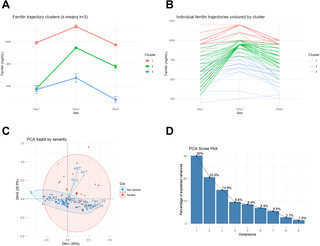
The findings revealed that serum ferritin levels exhibited a distinct rise-peak-fall trajectory during hospitalization, peaking on Day 3 with an average of 955 ng/ml. This pattern was consistent across various days of illness, suggesting that ferritin levels are closely linked to the severity of the disease. Specifically, patients classified as severe dengue exhibited significantly higher median FPR values compared to non-severe cases, indicating that elevated ferritin levels may serve as a marker for disease severity. However, the study also noted that while these ratios are low-cost and easy to calculate, they did not provide superior predictive value compared to traditional tests such as platelet counts and liver enzyme levels.
Beyond the Credits
Words from our Sponsor.
The implications of this research are particularly relevant for healthcare providers in resource-limited settings, where rapid and accurate assessment of dengue severity is crucial for effective management. The study underscores the need for further multi-centre research to explore the potential of serum ferritin and its derived ratios as reliable triage tools in clinical practice.
Worth a Replay
As dengue continues to be a pressing public health concern, understanding the biomarkers associated with its severity can help improve patient outcomes and optimize treatment strategies. The study's findings pave the way for future investigations that may refine the use of serum ferritin in clinical settings, ultimately enhancing the care provided to patients suffering from this debilitating disease.