Mary Daly Emphasizes AI's Continued Demand Amid Economic Challenges
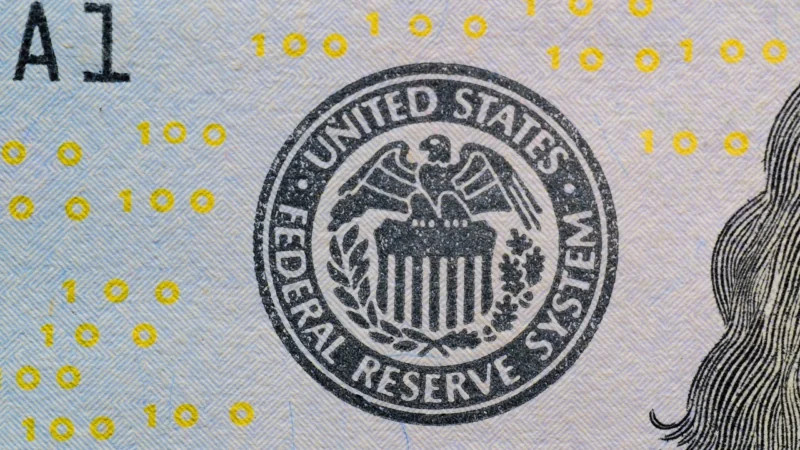
Mary Daly, the President of the San Francisco Federal Reserve Bank, recently shared her insights on the state of artificial intelligence (AI) demand, asserting that despite recent fluctuations, the AI pipeline remains strong. In an interview with CNBC on November 6, 2026, Daly characterized the repricing of AI demand as painful yet orderly, suggesting that while growth may be cooling, it is not collapsing. This perspective is particularly noteworthy given the Fed's ongoing focus on inflation and the potential for further policy tightening.
Daly pointed out that the recent shifts in AI demand should not be interpreted as a sign of impending decline. Instead, she indicated that signals suggest a minor decrease in demand growth, rather than a complete downturn. This nuanced view contrasts with her earlier assessment from October, where she expressed confidence in the continued growth of AI demand, attributing price pressures to temporary shocks rather than systemic issues.
Beyond the Credits
Words from our Sponsor.
The implications of Daly's remarks extend beyond the tech sector; they resonate within the broader economic landscape as the Fed considers its next moves. She noted that recent job report data provides the Fed with the flexibility to tighten its policies further, which could impact inflation rates. This balancing act is crucial as the central bank navigates the complexities of a rapidly evolving technological landscape coupled with persistent inflation concerns.
One Last Look
Daly also highlighted the unusual nature of current price pressures in technology and semiconductor markets, suggesting that they may not be fleeting. Her emphasis on monitoring detailed data regarding AI, rather than relying solely on aggregate statistics, reflects a cautious approach to understanding the long-term effects of AI on productivity and pricing.
As investors reassess the flow of capital into AI infrastructure, Daly's comments underscore the Fed's priority on inflation management rather than market rescue. By framing the AI repricing as orderly, she signals that the Fed does not perceive it as a systemic threat, allowing for a continued focus on inflation control. The upcoming keynote address at Stanford's SIEPR Fall Policy Forum on November 12, 2026, will further elaborate on the intersection of AI and economic policy, providing additional insights into this critical topic.