Talia Baia Defends Interview Style Amid Criticism from Viewers
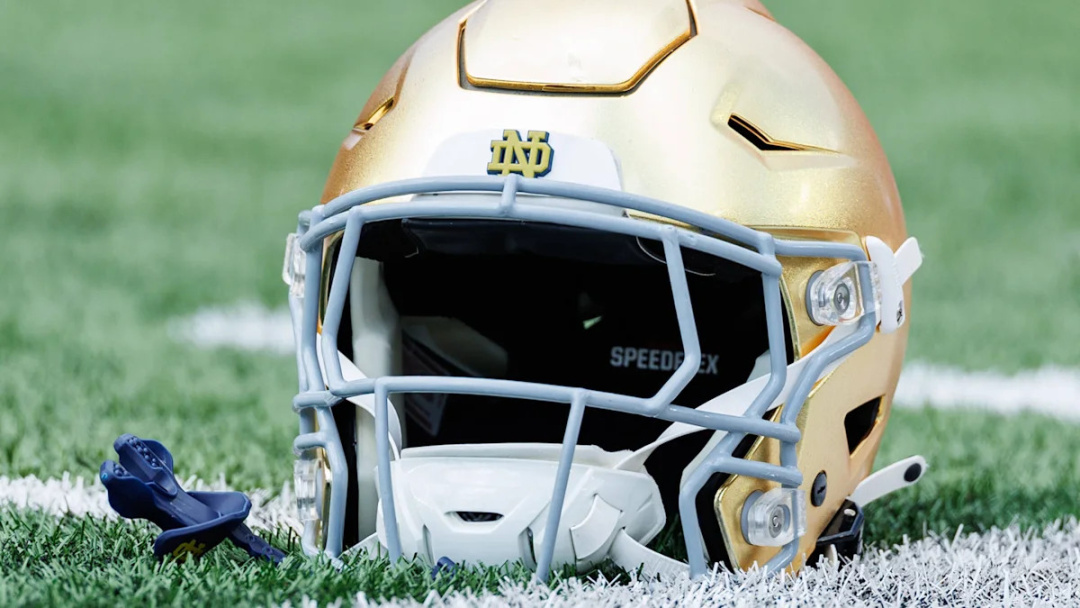
In the world of college football, the role of reporters often transcends mere game analysis. For Talia Baia, a reporter covering Notre Dame, the opportunity to connect with players on a personal level is essential. However, her recent interview questions during media availability sparked backlash online, prompting her to clarify her intentions and the importance of her work.
Baia, who produces player features for ABC57 News and its ABC57 Kickoff show, found herself under fire for asking what some considered out-of-place questions. In response to a particularly harsh comment that labeled her inquiries as 'stupid,' Baia took to social media to explain her perspective. "Every week, I produce a player feature for our kickoff show, digging into who these guys are beyond football. I interview their parents, siblings, etc.," she wrote on X. "So yes, I’m the reporter asking a certain player about childhood stories during Tuesday media availability. I know. 🥲 We get limited time, and everyone wants football questions. But it’s my only chance to speak with a player all week for my one story. I get only 2 questions. Thank you for your attention to this matter. Sorry in advance YouTube people."
Beyond the Credits
Words from our Sponsor.
This explanation highlights the unique challenges faced by feature reporters, who often must balance the demand for immediate, game-related insights with the need to tell deeper, more personal stories. Baia's approach aims to provide a fuller picture of the athletes, revealing the experiences and influences that shape them long before they step onto the field.
The criticism she faced raises an important conversation about the role of media in sports. While game-day reporters focus on performance metrics and strategy, feature reporters like Baia seek to uncover the narratives that define a player’s journey. In her recent features, she has delved into the lives of players such as wide receiver Jordan Faison and safety Luke Talich, showcasing their backgrounds and the familial support that has propelled them to success.
Personal Stories Behind the Players
Faison's story, for instance, includes insights from his father about the family's initial doubts regarding his football aspirations, highlighting the sacrifices made along the way. Similarly, Talich's family history with Wyoming football adds depth to his decision to join Notre Dame, showcasing the personal stakes involved in such choices.
These narratives enrich the coverage of college football, allowing fans to connect with players on a human level. Baia's commitment to telling these stories underscores the significance of understanding the lives behind the helmets, reminding audiences that athletes are more than just their stats and performances.
The Final Take
As Baia continues to navigate the complexities of sports journalism, her experience serves as a reminder that the stories worth telling often extend beyond the immediate context of a game. While performance-related questions are vital, the personal journeys of athletes provide a richer, more nuanced understanding of their lives and careers. Baia's defense of her interview style invites a broader discussion about how media can balance the demands of sports reporting with the need to highlight the human aspects of athletes' lives.
In an era where social media can amplify criticism, Baia's willingness to engage with her detractors reflects a commitment to her craft and the stories she believes deserve to be told. As the landscape of sports journalism evolves, the challenge remains to honor both the game and the individuals who play it, ensuring that every athlete's story is given the attention it merits.