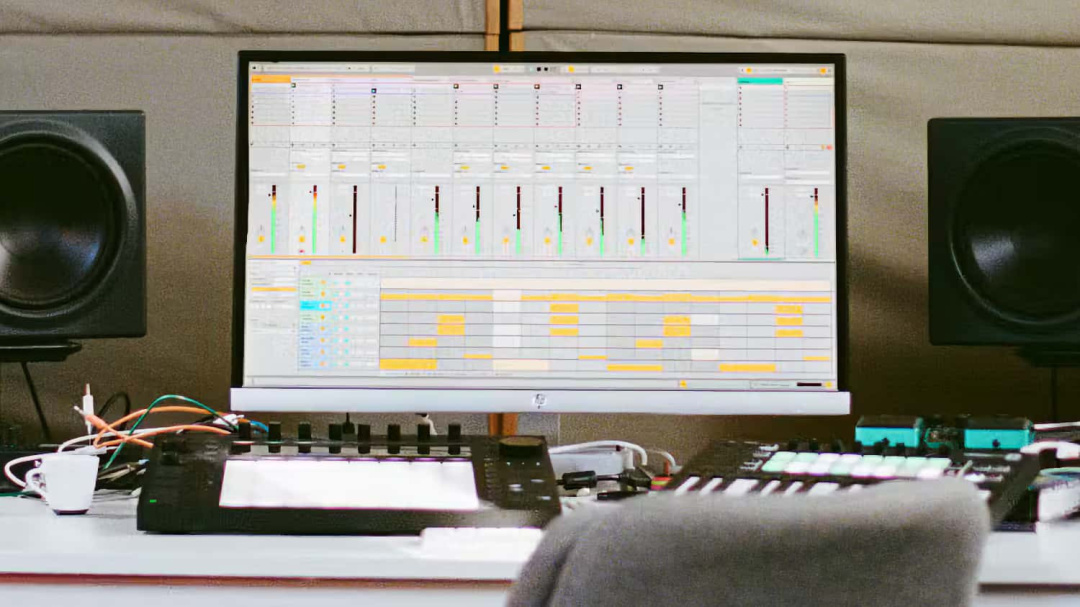
Ableton Live 13 Introduces Innovative Step Sequencer and New Tools
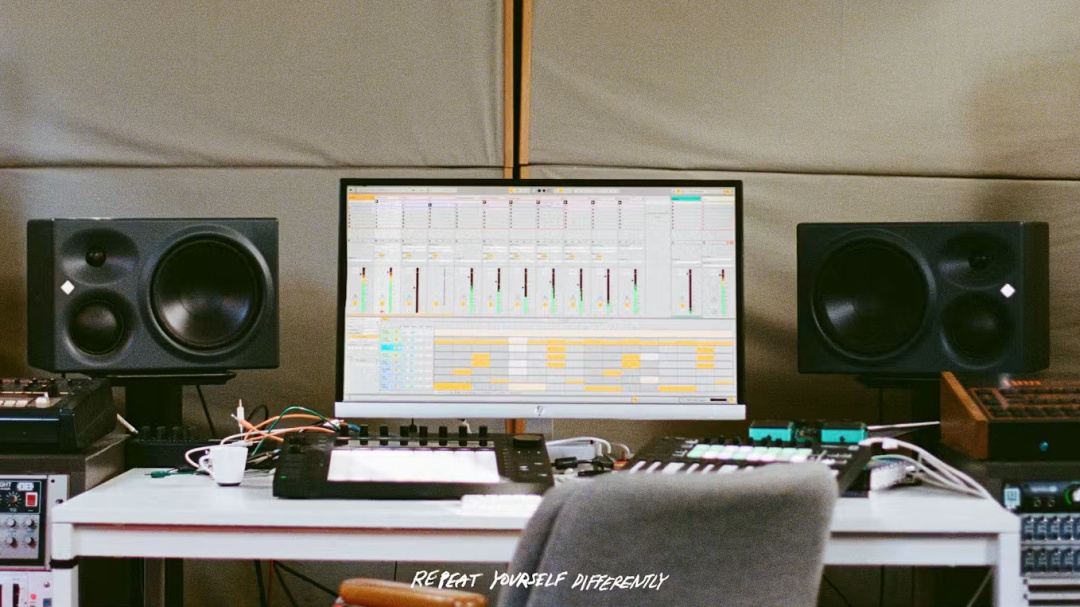
Ableton has unveiled Live 13, the next major version of its widely used digital audio workstation (DAW), introducing new tools for beatmaking, sound design, audio editing, and live performance. Announced on November 10, the update is currently available in public beta, with a full release expected in early 2027.
Among the most significant additions are a built-in Step Sequencer, native ARA 2 plug-in support, a new Drum Synth, expanded instrument and effects Racks, and improved mixing controls. Ableton is also introducing new performance capabilities for its Push hardware, bringing more of Live’s creative functionality into a hands-on environment.
Beyond the Credits
Words from our Sponsor.
The update reflects a continued emphasis on experimentation and flexible production workflows, giving musicians more ways to develop musical ideas without interrupting the creative process. One of Live 13’s headline features is its new Step Sequencer, which introduces a dedicated approach to programming MIDI patterns directly within the software.
Unlike conventional piano-roll editing, step sequencing allows producers to construct rhythms and melodies through individual steps arranged in a grid. This approach is especially familiar to electronic musicians working with drum machines, modular synthesizers, and hardware sequencers. Ableton’s implementation goes beyond straightforward beat programming. Individual sequencer rows can operate with different lengths, playback speeds, and directions, allowing producers to build polyrhythmic patterns that evolve over time.
Per-step controls for velocity, probability, repetition, and pitch bend provide additional opportunities for variation. A producer could, for example, create a repeating percussion pattern in which certain hits occur only occasionally, while another sequence cycles at a different length to generate shifting rhythmic relationships. These capabilities are particularly relevant to electronic music production, where small variations in timing, repetition, and dynamics can transform a relatively simple pattern into a more complex arrangement.
The Step Sequencer is integrated into Live’s existing Session and Arrangement workflows, rather than operating as a separate instrument or plug-in. Another major development is the introduction of Audio Random Access 2 (ARA 2) support, which allows compatible audio-editing plug-ins to interact more directly with recordings inside a DAW. For producers and engineers, this can reduce the need to transfer audio between applications or rely on less efficient editing workflows.
ARA 2 integration is particularly useful for pitch correction, vocal editing, timing adjustments, and other processes that require detailed analysis of recorded audio. Ableton has confirmed that Live 13 Suite will include Melodyne essential, bringing Celemony’s established pitch and timing editing technology into the software package. For vocal producers, songwriters, and engineers who regularly work with recorded performances, the integration addresses a practical workflow limitation and brings Live closer to the audio-editing capabilities available in other major production environments.
Rather than replacing Live’s existing audio tools, ARA 2 expands the range of specialized processing that can be performed within a project. Live 13 also introduces several tools designed to encourage original sound creation. The new Drum Synth provides more than 20 percussion engines, allowing producers to construct drum sounds using synthesis rather than relying exclusively on samples. Its sound engines cover a range of percussion styles, including electronic kicks, snares, metallic sounds, and other synthesized drum textures.
For electronic producers, the ability to generate and modify percussion at the source offers greater control over characteristics such as pitch, decay, tone, and movement. Instead of searching through sample libraries for a particular sound, musicians can shape their own percussion to fit an arrangement. Another addition, Looplet, takes a different approach to sample manipulation. The Max for Live device uses four playheads to explore different portions of a single audio sample, allowing users to create layered loops and evolving textures from existing recordings. By manipulating playback behavior, pitch, and other parameters, producers can transform relatively simple source material into more elaborate rhythmic or atmospheric elements.
Expanding Creative Possibilities with Looplet
Looplet is included with Live 13 Suite, expanding the experimental sound-design possibilities available to users of the software’s most comprehensive edition. Ableton is also expanding the capabilities of its Racks, which allow musicians to combine instruments, effects, and processing chains into reusable configurations. Live 13 increases the available Macro controls to 32, providing more parameters that can be adjusted from a single interface. Additional mapping capabilities make it possible to create more sophisticated relationships between controls and the devices they influence.
For performers, these improvements can make complex instrument setups easier to manage during a live set. For studio producers, they provide greater flexibility when designing custom instruments and effects chains. A new Capture Automation feature addresses another familiar production challenge: preserving spontaneous adjustments made while experimenting with a sound. Musicians can manipulate parameters while exploring an idea and subsequently capture those movements as editable automation. This allows expressive gestures to become part of an arrangement without requiring every movement to be deliberately recorded in advance.
Live 13 also introduces Envelope Clips for automating and modulating effects and mixer settings on Return tracks, opening additional possibilities for evolving effects processing. Beyond composition and sound design, Live 13 introduces several improvements intended to make mixing more flexible. New Multiband and Mid-Side Racks allow producers to process different frequency ranges or stereo components independently. These configurations can be useful for controlling low-frequency energy, shaping stereo width, or applying different processing to selected portions of a sound.
Two new audio effects, Clipper and Transient Shaper, provide additional control over dynamics. Clipper can manage signal peaks or introduce harmonic distortion, while Transient Shaper allows producers to adjust the attack and sustain characteristics of audio material. These tools are particularly relevant to drum production, where transient control can significantly affect perceived punch, impact, and clarity.
Live 13 also introduces Device Slots within the mixer, allowing users to view and manage effects more directly without repeatedly navigating between tracks and device chains. For producers working on large arrangements, these changes could reduce the amount of interface navigation required during mixing. Ableton’s Push hardware is receiving a substantial update alongside Live 13. Push 3 users will be able to create Custom Layouts that combine different performance and control functions on the same pad surface. For example, a musician could configure a layout that combines clip launching, instrument playing, mixer controls, and expressive parameter manipulation without repeatedly switching between separate operating modes.
The new Step Sequencer also extends to Push, giving performers direct access to rhythmic programming and expressive editing through the hardware interface. Additional improvements include a Performance Mixer and expanded device navigation for working with more complex Racks. These developments reinforce Push’s role as more than a controller for launching clips. Ableton continues to position it as a customizable environment for composing, producing, and performing electronic music.
The Moment That Stays
While many software updates concentrate on individual instruments or effects, Live 13 introduces changes across several stages of the music production process. The Step Sequencer expands rhythmic composition, ARA 2 improves recorded-audio workflows, and new synthesis and sampling tools encourage experimentation. Meanwhile, expanded Racks, automation capabilities, and mixer controls address the practical challenge of managing increasingly complex projects. These improvements are especially relevant to musicians who use Ableton Live as both a studio production environment and a live performance system.
Electronic producers may find the sequencing and sound-design additions particularly compelling, while vocal producers and recording engineers stand to benefit from deeper audio-editing integration. The Push updates also demonstrate Ableton’s continuing interest in connecting software production with physical performance interfaces. As digital music production environments become increasingly capable, the challenge is not simply adding more features. It is making those capabilities accessible without disrupting the creative decisions that musicians make while developing a track. Live 13 appears designed around that balance, combining new creative possibilities with workflow improvements intended to keep musicians focused on making music. Ableton Live 13 is scheduled for release in early 2027, although the company has not announced a specific launch date. A public beta is currently available, giving eligible users an opportunity to explore the new features before the official release. Ableton is also offering a temporary promotion on Live 12 licenses, with purchases qualifying for a free upgrade to the corresponding Live 13 edition when it becomes available. For full feature details, beta information, and edition comparisons, visit Ableton’s official Live 13 announcement and its Live 13 beta release notes. With a new sequencing environment, deeper audio editing, expanded sound design, and more flexible performance controls, Live 13 represents a substantial update to one of electronic music’s most established production platforms.