Russian Oligarchs Consider Their Future After Putin: Three Scenarios
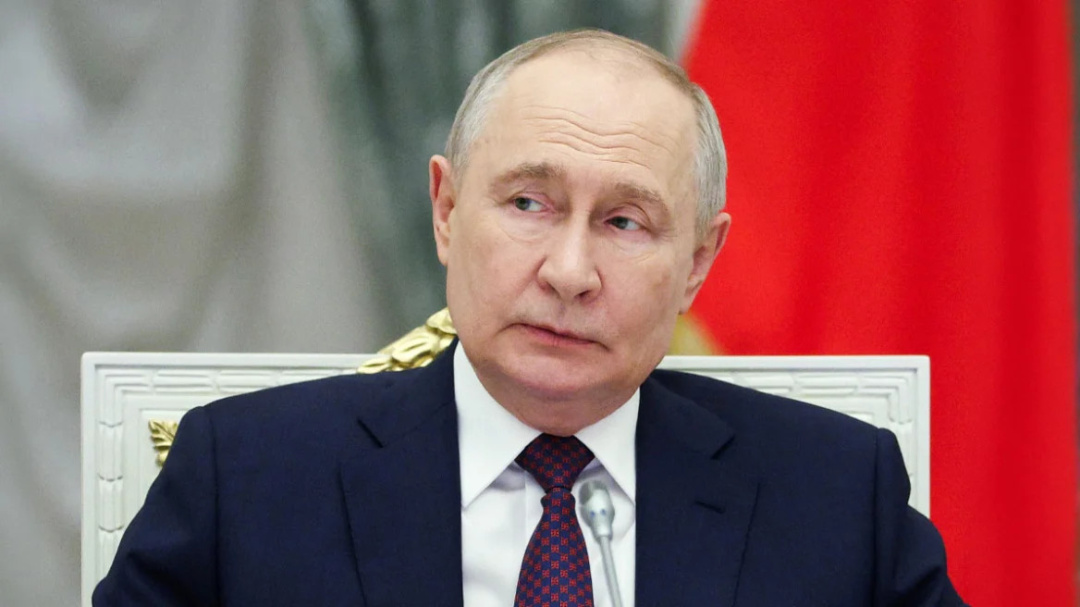
In a striking shift, some of Russia's wealthiest businessmen are beginning to envision a country without Vladimir Putin at the helm. Despite their vast fortunes, they find themselves largely powerless in the political arena, a situation that has led to discreet discussions about the future of governance in Russia. A recent BBC report sheds light on these conversations, revealing that while the oligarchs are contemplating their political ambitions, they remain acutely aware of the risks involved in challenging Putin's authority.
The atmosphere of fear surrounding Putin's regime is palpable, as even the most dissatisfied billionaires refrain from any public dissent. This was vividly illustrated on February 24, 2022, when over 36 of Russia's wealthiest individuals gathered at the Kremlin, visibly anxious as Putin urged them to support the economy amidst the unfolding crisis. Not a single one dared to voice opposition, a stark contrast to the 1990s when oligarchs wielded significant political influence following the Soviet Union's collapse.
Beyond the Credits
Words from our Sponsor.
Putin's rise to power in 2000 marked the end of an era where wealth could translate into political power. The case of Mikhail Khodorkovsky, once Russia's richest man, exemplifies this shift; he spent a decade in prison after publicly criticizing Putin. Today, despite the sanctions and ongoing war, Russia boasts 155 billionaires, with a combined wealth nearing $700 billion. Yet, their riches afford them little political leverage or freedom of movement.
Analysts have identified three main scenarios for a post-Putin Russia. The first, a transition to a democratic system with genuine political competition, is deemed the least likely, given the significant erosion of democratic institutions under Putin. The second scenario involves the continuation of authoritarian rule under a new leader, who may initially be weaker due to a lack of established political machinery. The third scenario, appealing to many oligarchs, envisions a return to an "oligarchic democracy" where powerful business and political factions share influence.
Shifting Attitudes Among Russian Oligarchs
The language used by these businessmen when referring to Putin has shifted notably. Once addressed as "Nachalnik" (boss) or "Perviy" (first), they now refer to him as "Ded" (grandpa), a term that carries a hint of contempt yet does not signify outright rebellion. This change reflects a growing discontent, although fear of retribution remains a dominant sentiment. One notable instance involved a tycoon who, during an interview, kept his phone in hand, believing it would hinder security services from eavesdropping, highlighting the pervasive atmosphere of paranoia.
Andrey Melnichenko, known as the "fertilizer king," recently made headlines with his unusual comments advocating for greater openness in Russia. While he did not directly call for Putin's resignation, his remarks were considered significant coming from someone of his stature. Journalist Arkady Ostrovsky suggests that Melnichenko's views may resonate with other influential businessmen who perceive the war as leading Russia into an "absolute dead end."
The Final Take
Despite their frustrations, experts agree that the likelihood of oligarchs mounting a challenge to Putin while he remains in power is exceedingly low. Bill Browder, a former investor in Russia and vocal critic of the Kremlin, emphasizes that the oligarchs understand the peril they face if they attempt to oppose Putin. Many are now discreetly cultivating relationships with government officials, preparing for a potential shift in power dynamics. However, any decisive action against Putin is fraught with danger.
The question of who will succeed Putin remains a topic of intense speculation among Russia's elite. While they express a desire to reclaim the influence they once held, it remains uncertain whether the power structures established by Putin will permit such a resurgence.