Amazon Echo Time vs. Hatch Sleep Clock: Which Smart Alarm Reigns Supreme?
Sleep is a crucial aspect of our health, yet many struggle to get enough of it. According to the National Health Interview Survey, over 30% of adults report getting less than seven hours of sleep per night. This growing concern has led to the rise of sleep trackers and smart alarms, which promise to enhance our nightly rest. Today, we take a closer look at two notable contenders in this space: the Amazon Echo Time and the Hatch Sleep Clock.
Both devices aim to improve your sleep experience, but they cater to different needs. The Hatch Sleep Clock is designed for those who want to understand their sleep patterns and foster healthier bedtime habits. In contrast, the Amazon Echo Time is ideal for users who are already embedded in the Alexa ecosystem and seek a smart alarm that integrates seamlessly with their daily routines.
Beyond the Credits
Words from our Sponsor.
The Hatch Sleep Clock stands out as a comprehensive sleep tracker, utilizing low-power radio signals to monitor when you fall asleep, wake up, and how long you spend in various sleep stages, including core, REM, and deep sleep. While it may overestimate certain stages compared to devices like the Oura Ring, it offers valuable insights that can help users adjust their sleep habits. Moreover, it provides personalized recommendations based on cognitive behavioral therapy for insomnia (CBT-I) principles, making it a solid choice for anyone looking to enhance their sleep quality.
On the other hand, the Amazon Echo Time leverages Amazon's Omnisense technology, which includes temperature sensors and presence detection to learn your sleep routine. It estimates your sleep stage based on breathing patterns and small movements, waking you up at an optimal time. However, it lacks detailed sleep reports, which may leave users wanting more information about their sleep quality.
Evaluating Sleep Environment Enhancements
When it comes to minimizing distractions before bed, the Hatch Sleep Clock excels. It encourages users to limit phone usage and offers calming light and sound options to create a restful environment. The Echo Time, while convenient with its Alexa integration for music and smart home control, does not provide the same level of sleep coaching. Its large screen may also be a concern for those sensitive to light during the night.
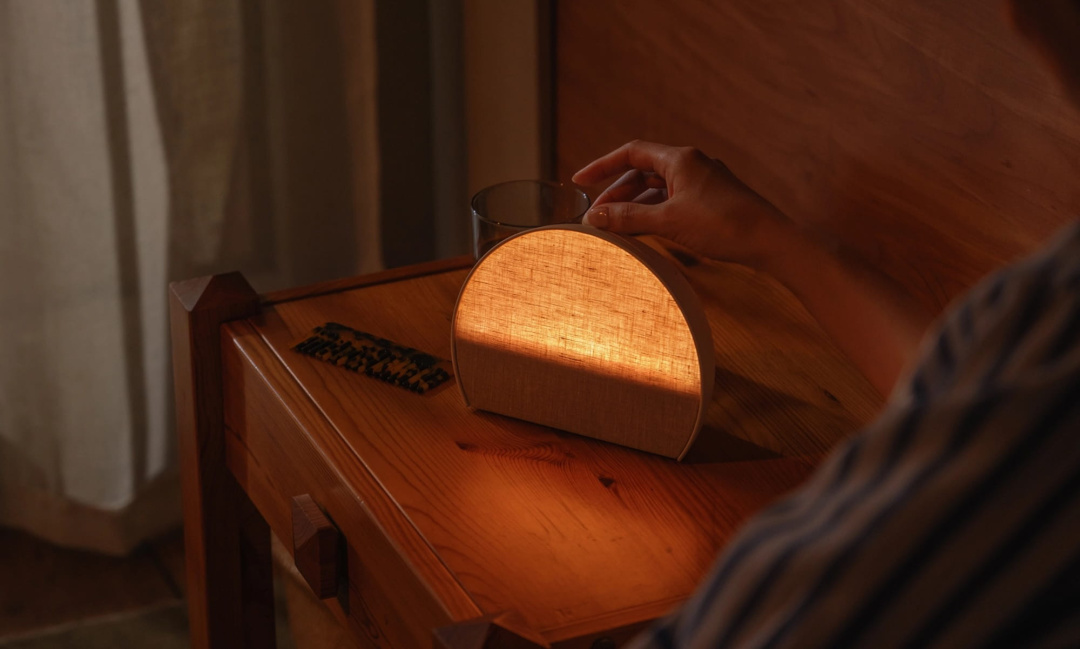
In terms of design, the Amazon Echo Time resembles a larger version of the standard Echo, featuring a circular touchscreen and customizable clock faces. It functions as a hub for other smart devices, allowing users to control their environment easily. Conversely, the Hatch Sleep Clock boasts a softer aesthetic, resembling decorative bedroom decor rather than a typical alarm clock, which may appeal to those prioritizing style and privacy.
Worth a Replay
Price is another factor to consider. The Echo Time retails for $199.99, with additional features available through an Alexa+ subscription. The Hatch Sleep Clock, priced at $249.99, includes core features without additional charges, though its subscription service offers extra audio content for a fee.
Ultimately, if your primary goal is to improve sleep quality, the Hatch Sleep Clock is the better investment. However, if you are an Alexa user looking for a multifunctional smart alarm, the Echo Time may be the right fit for you. Both devices have their strengths, and the choice ultimately depends on individual preferences and needs. In a world where sleep is often compromised, investing in a smart alarm could be a step towards better rest and rejuvenation.