Inside the Mind of Katla Sólnes: The Making of Eruption
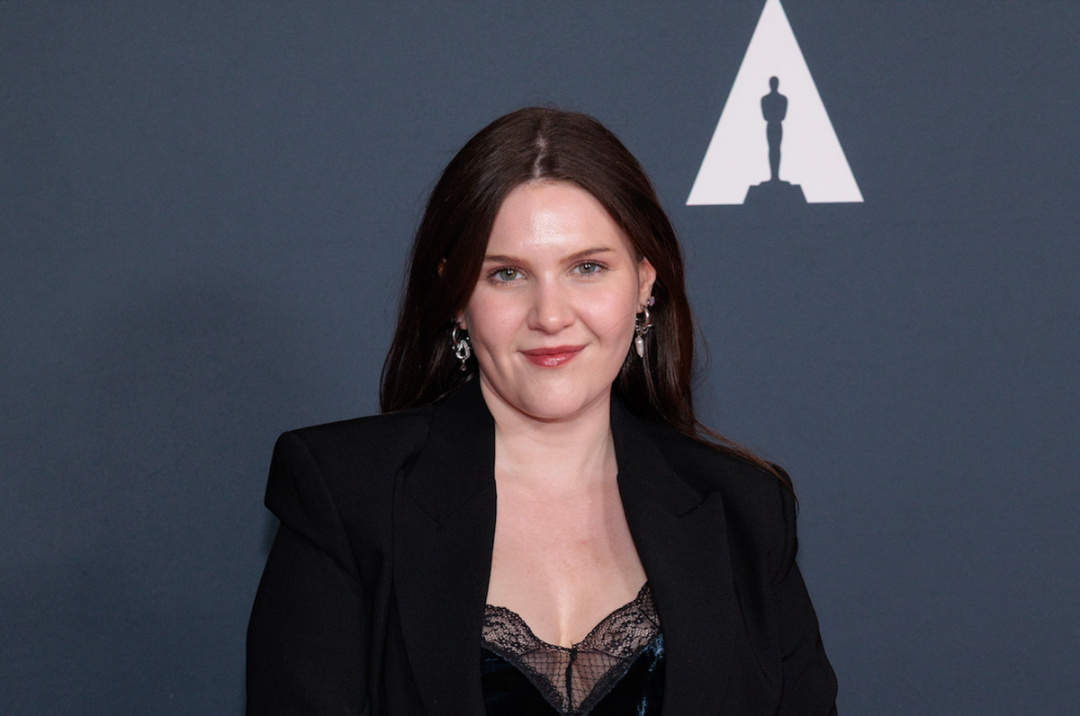
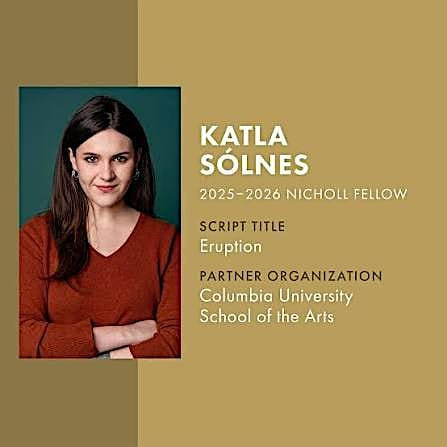
Katla Sólnes, the talented screenwriter behind the acclaimed screenplay Eruption, recently spoke about her journey and the creative process that led to her winning the 2025-2026 Nicholl Fellowship in Screenwriting. In a candid interview, she reflected on her Icelandic roots and the unique challenges of the film industry in her home country, which, despite its small size, boasts stunning landscapes and a rich artistic culture.
Sólnes described Iceland's film industry as both vibrant and constrained, noting that while it has produced remarkable talent, government funding cuts pose significant challenges to its growth. "The Icelandic film industry inevitably is quite small because there's just shy of 400,000 people in our country, but it's a very fruitful and beautiful industry," she explained, highlighting the allure of Iceland's natural beauty that attracts foreign productions.
Beyond the Credits
Words from our Sponsor.
Her path to screenwriting was anything but conventional. Growing up in a family involved in foreign affairs, she spent much of her childhood in Belgium and Central Europe, which gave her a unique perspective on storytelling. "I was a very shy kid. I escaped to story most of my childhood," she shared. Her artistic journey began with drawing and photography, eventually leading her to filmmaking, where she found a way to combine her passions.
Sólnes's academic journey took her from engineering in the Netherlands to film school in Iceland, where she finally embraced her true calling. "I remember walking into the engineering building and never looking back after I got the call about film school," she recalled, emphasizing the importance of pursuing one's passion.
As she developed her screenplay Eruption, Sólnes drew inspiration from her love of literature and classic storytelling. The film, set in the 1970s Iceland, explores the complexities of relationships against the backdrop of a volcanic landscape. "It’s fundamentally about three people," she explained, focusing on the emotional struggles of her characters, particularly Elín, the protagonist, who grapples with her identity and desires amidst societal expectations.
The screenplay evolved significantly through various writer labs, including the Sundance Screenwriter Lab, where she honed her character development and narrative structure. "The best way to access vulnerability is to explore your own struggles through the characters," she noted, highlighting the personal connections she forged with her work.
The Creative Process Behind Eruption
In discussing her characters, Sólnes revealed her desire to portray the often-overlooked stories of women. Elín, a woman in her mid-40s, is depicted as being content yet yearning for more from life. "She’s reminiscent of many women of her era, but also especially in Iceland," Sólnes explained, reflecting on the societal changes that have occurred since the film's setting.
The arrival of a young American student named Jane introduces tension and challenges to Elín's life, serving as a catalyst for her transformation. "Jane is ambitious and driven, representing a new generation of women who are more brazen and confident in their pursuits," Sólnes described, emphasizing the stark contrast between the two women's experiences.
As the interview concluded, Sólnes expressed her hopes for the future of Eruption, aiming to film in Iceland and share her story with a global audience. "I hope to make not just Icelandic films, but global films," she stated, embodying the spirit of a filmmaker determined to bridge cultures through storytelling.
The Final Take
Katla Sólnes's journey from an uncertain engineering student to an award-winning screenwriter is a testament to the power of following one's passion. Her insights into the creative process and the challenges faced by women in the film industry resonate deeply, making her story one to watch as she continues to develop her craft and bring her unique perspective to the screen. With Eruption, Sólnes not only honors her Icelandic heritage but also contributes to the broader narrative of women's stories in cinema, ensuring that their voices are heard and celebrated.