Exploring the Therapeutic Power of Sound and Music in Healing
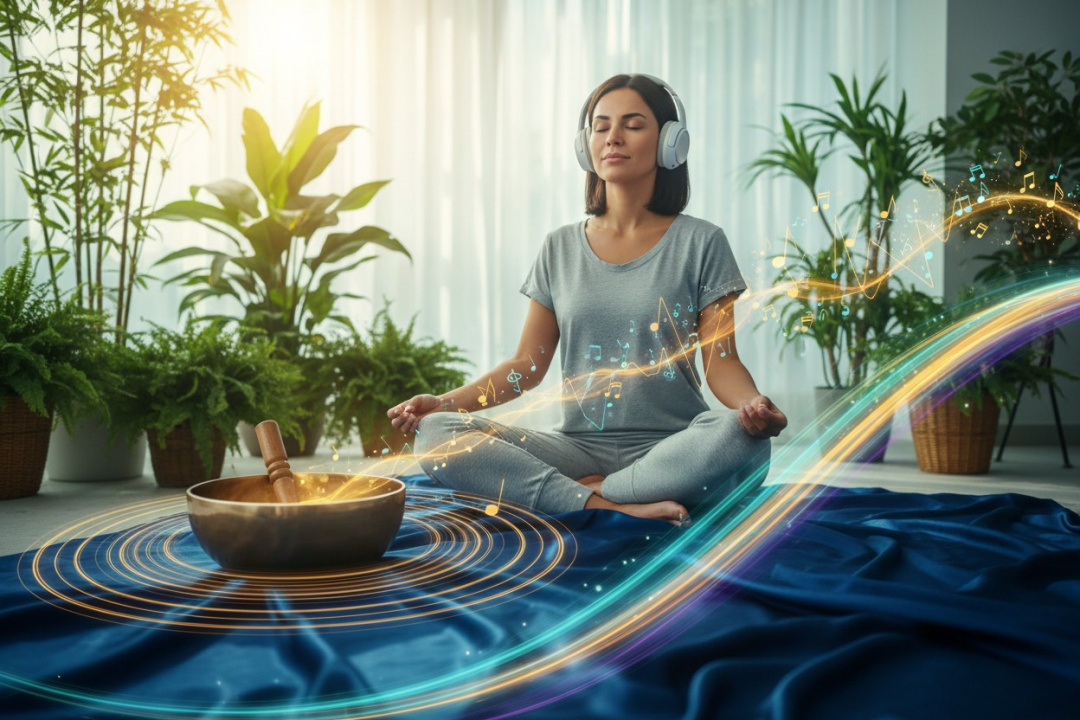
A report published by The Epoch Times on July 18, 2026, highlights the increasing use of sound and music therapy in treating conditions like anxiety and chronic pain. This approach, which was once seen as a new-age relaxation technique, is now finding its place in treatment settings. The report explains how sound can alter bodily responses by slowing heart rates, lowering stress hormones, and changing pain perception.
Research has indicated that many physical ailments are linked to brain processes influenced by mental states and emotions. Listening to or playing music has been shown to affect physiological responses, such as slowing breathing and heart rates, reducing blood pressure and muscle tension, and even releasing endorphins that help alleviate pain. Practitioners quoted in the report, including board-certified music therapist Cara Gelderblom and psychologist Michele Leno, emphasize the therapeutic benefits of sound.
Beyond the Credits
Words from our Sponsor.
The report details how sound healing can positively influence brain wave states, promoting calmer frequencies. Electroencephalogram studies have shown that singing bowls can enhance delta and theta brain wave activity, which are associated with deep relaxation and restorative sleep. This shift in brain activity is believed to help the body transition from a state of stress to one of calm.
In distinguishing between music therapy and sound healing, the report notes that music therapy is a structured intervention led by a certified therapist, while sound healing is generally a more passive practice that does not require a clinical diagnosis. Bill Gottlieb elaborates on this distinction, explaining that music therapy utilizes live performance and is tailored to individual needs, whereas sound healing often involves rhythmic drumming and chanting aimed at self-healing.
A review of nine high-quality studies cited in the report found that music therapy is associated with reduced pain and improved mood, particularly when sessions last around 20 minutes and allow individuals to choose their own music. Gelderblom employs various instruments to stimulate her patients' nervous systems, often incorporating live music that resonates with their personal preferences.
The Rise of Sound Baths in Therapy
Sound baths have emerged as a popular form of sound therapy, combining sound with gentle somatic practices to help individuals reconnect with their bodies and release tension. Hofmann-Snell, a manager at Saxon Spa Sandhurst, notes that participants often report enhanced emotional clarity and improved sleep after these sessions. Leno adds that sound vibrations can promote relaxation and should be considered as a complementary treatment alongside traditional therapies.
The report also touches on the potential of vibroacoustic therapy, which utilizes low-frequency sound vibrations to assist individuals with autism. Early research suggests that these vibrations may positively influence muscle tone and heart rate, supporting a holistic approach to treatment that considers the interconnectedness of bodily systems.
After the Applause
Daily sound practices, such as listening to calming soundscapes or engaging in guided sound meditations, are recommended as ways to integrate sound therapy into everyday life. Hofmann-Snell encourages incorporating intentional moments of stillness into daily routines rather than relying solely on formal sessions.
The Epoch Times report presents sound and music as accessible tools that can complement conventional medical care, rather than serve as replacements. Proponents believe that regular engagement with sound therapy may support better sleep, eating habits, and resilience to stress. As interest in frequency-based therapies grows, the report suggests that sound therapy remains a valuable approach for calming the nervous system, with potential benefits extending beyond clinical environments.