Gio Escobar's Standing on the Corner Reflects on NYC's Spirits in New Album
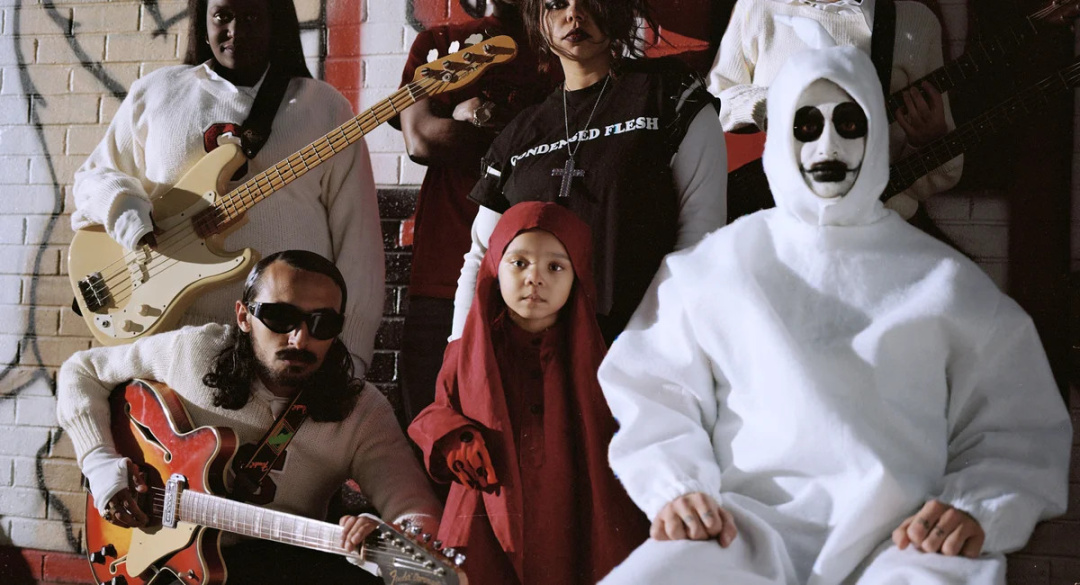
Gio Escobar considers the 9/11 Memorial & Museum to be “the most spiritual place in New York.” As we strolled around the reflecting pools that mark the site of the Twin Towers, he remarked, “This beautiful spectacle of a structure is a mass grave.” On that August afternoon, Escobar, the leader of the experimental music collective Standing on the Corner, shared the profound inspirations behind their latest album, 'Standing on the Corner II,' which coincidentally releases on the anniversary of the September 11 attacks. This timing has become a deliberate choice for Escobar, as he sees it as a way to honor the memories of those lost.
Raised in a religious environment, Escobar's music is heavily influenced by themes of spiritual contact and ancestral ties, reflecting his Puerto Rican heritage and the rich musical traditions of the African diaspora. His artistic vision combines elements of jazz, rap, funk, punk, and soul, aiming to address societal issues while also celebrating love and community. He believes that creativity should serve a higher purpose rather than merely commercial interests, stating, "I don’t feel that my creativity or my artistry serves me if I’m to pimp it."
Beyond the Credits
Words from our Sponsor.
Collaborating with artists like Jack Nolan, Buz Donald, and Clérida Eltime, Escobar's new album features 15 tracks that capture a sense of world-weariness amidst ongoing societal instability. The lyrics resonate with urgency, as seen in the track “Mr. Postman, wait!” where a distorted voice pleads for answers amidst the chaos. The album showcases a stark contrast in musical styles, from the upbeat blues of “Roll over Beethoven” to the haunting doomsday track “Man may not last,” featuring rappers Ladybug Mecca and Styles P.
Escobar's work also delves into the pressing issue of gun violence in America, reflecting on the complexities surrounding gun ownership, especially in communities of color. He articulates the need for these communities to reclaim their rights in a society where gun ownership is often dominated by white narratives. The album's song “Sonia,” named after poet Sonia Sanchez, highlights the importance of connecting with past generations to draw inspiration and wisdom.
As we walked around the memorial, Escobar expressed his ongoing struggle with the juxtaposition of his desire for a safer society against the backdrop of America's gun culture. He lamented the historical injustices faced by marginalized communities, particularly in relation to the urban development that erased vibrant neighborhoods like San Juan Hill.
Innovative Music Distribution and Community Impact
Escobar's dedication to his craft is evident in his unconventional approach to releasing music. 'Standing on the Corner II' was initially distributed via DVD in Times Square, where fans were instructed to exchange cash for a disc from a life-sized Mickey Mouse. This bold move reflects his commitment to authenticity and community engagement.
Despite his artistic bravado, Escobar remains somewhat enigmatic about his personal life, preferring to focus on the collective experience of his music. The album opens with a prayer, setting a reflective tone that questions the possibility of change in a world marked by loss and displacement. Escobar’s poignant observations remind listeners of the enduring impact of history on contemporary culture.
The Final Take
As Escobar continues to navigate the complexities of the music industry, he remains committed to producing work that resonates deeply with listeners. His exploration of themes related to death, community, and resilience in 'Standing on the Corner II' serves as a powerful reminder of the ghosts that linger in New York City and the importance of honoring their memories through art.
Gio Escobar's journey with Standing on the Corner is one of artistic integrity and cultural reflection. His ability to weave personal narratives with broader societal issues creates a rich tapestry of sound and meaning. As the collective continues to push boundaries and challenge conventions, their music remains a vital part of the conversation surrounding identity, history, and the human experience in an ever-evolving world.