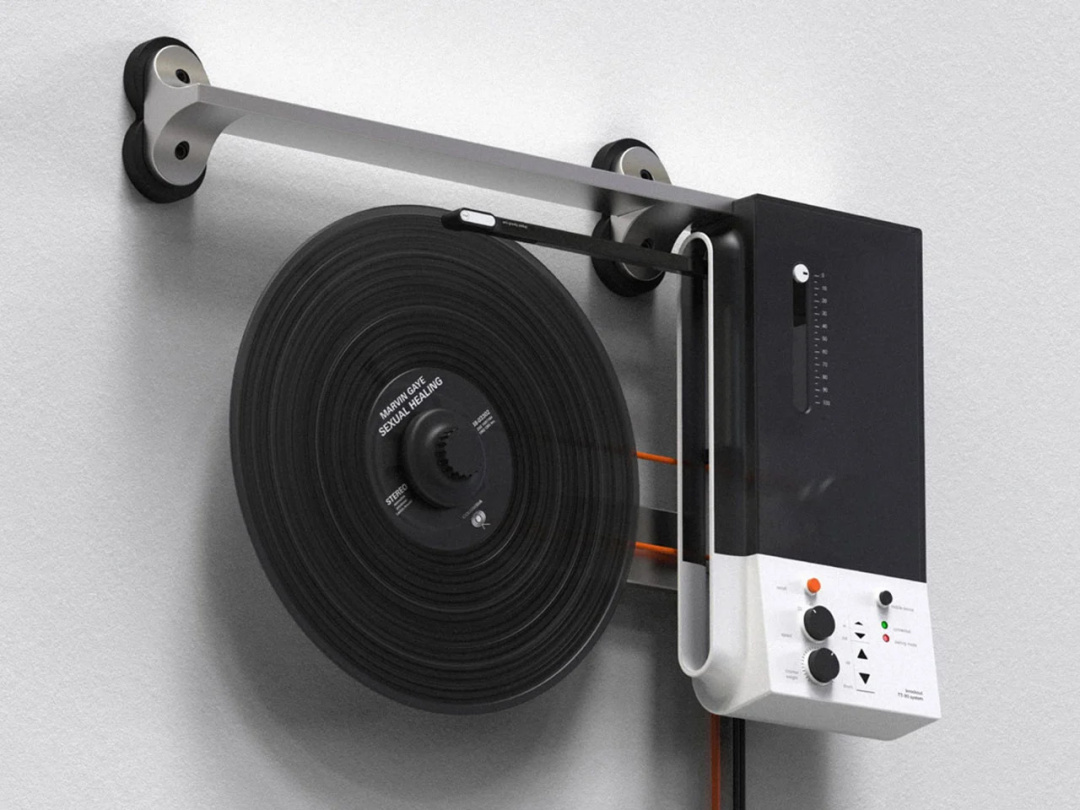
Retrofuturism: A Look Back at Past Visions of the Future
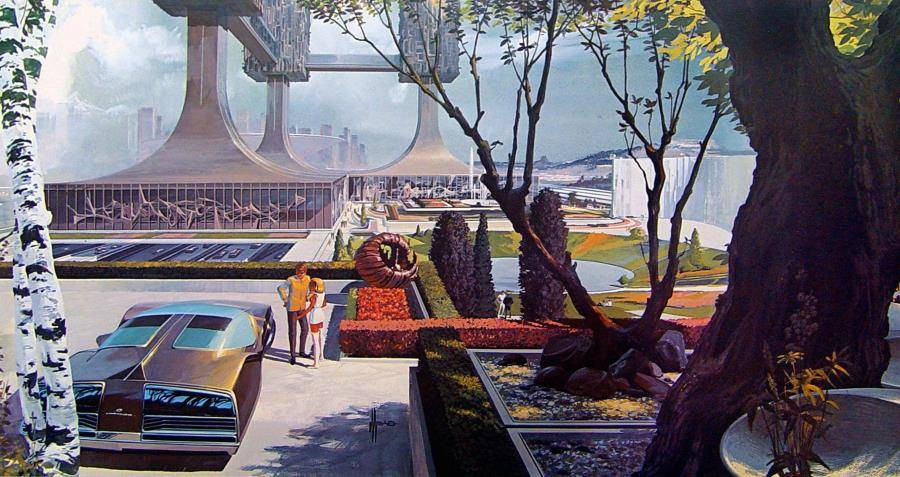
Retrofuturism is a fascinating artistic genre that reflects the past's vision of the future, showcasing how people from earlier generations imagined what today would look like. This genre ranges from charmingly naïve and amusingly ambitious concepts to surprisingly accurate predictions, inspiring a movement among modern artists, designers, musicians, and filmmakers who channel the technological dreams of yesteryear.
The term "retrofuturism" gained traction in the wake of the technological advances of the 1970s and 1980s, a time when science made remarkable strides but often diverged from the optimistic expectations of early 20th-century visionaries. Nostalgia plays a significant role in retrofuturism, as the once-rosy predictions of the past now appear quaint and implausible, prompting a renewed interest in these imaginative depictions of the future.
Beyond the Credits
Words from our Sponsor.
As retrofuturism rose in popularity, it coincided with a resurgence of dystopian science fiction and fantasy, reflecting a growing apprehension about the future. The whimsical illustrations of the past often depicted a longing for better transportation, with visions of personal helicopters, hover cars, and even spaceships gliding along suspended highways. These imaginative concepts included magnetized roads soaring hundreds of feet above the ground, reminiscent of a fantastical Mario Kart track.
Domestic life, too, was radically transformed in these retrofuturistic visions. Commuters were depicted popping pills that tasted like chicken pot pies, eliminating the need for traditional cooking. Fashion trends in these illustrations favored tall plastic boots, skintight chrome outfits, and homes constructed of glass, suggesting a future devoid of privacy and conventional building materials.
The Surprising Accuracy of Retro Visions
While many retrofuturistic images may seem laughable today, some predictions have come alarmingly close to reality. Self-driving cars, once a staple of retrofuturistic dreams, are nearing fruition, while video conferencing and smart devices have become commonplace. The aesthetic of retrofuturism often draws from styles like Googie, Populuxe, and Doo Wop, characterized by vibrant neon colors, sleek steel designs, and curvy geometric shapes, collectively known as Raygun Gothic.
Another intriguing aspect of retrofuturism is its exploration of how the present interprets the past. Artists and writers often reimagine historical settings infused with futuristic technology, creating a unique blend of time periods. The steampunk genre exemplifies this, merging Victorian-era aesthetics with modern capabilities.
Worth a Replay
Films like the 2004 cult classic "Sky Captain and the World of Tomorrow" showcase retrofuturism on the big screen, featuring a robot invasion set in 1939 New York. This genre not only celebrates nostalgia but also addresses darker themes, as seen in Terry Gilliam's 1985 film "Brazil," which critiques consumerism and totalitarianism through a retro lens.
Today, retrofuturism is experiencing a resurgence, moving beyond cult classics to become more mainstream. Influential creators like Brad Bird have cited retrofuturism as a key inspiration, and video games like the BioShock series have incorporated its themes and aesthetics. This renewed interest prompts us to consider how future generations will perceive our current visions of the future and what they will think of our dreams.