Ahsoka Season 2's Long Hiatus Raises Concerns for Viewership
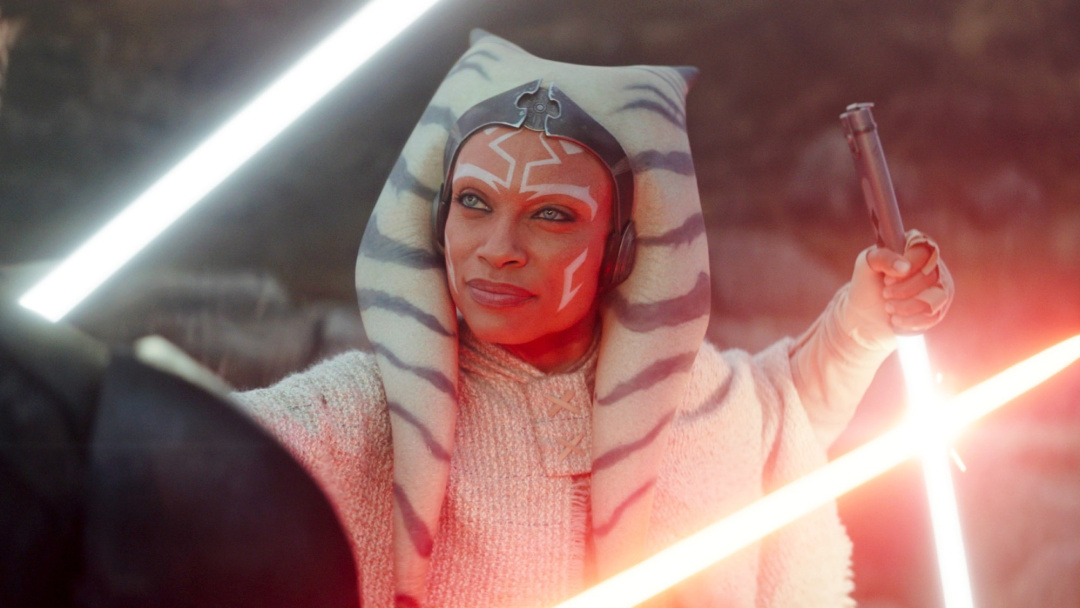
Star Wars: Ahsoka is set to return for its second season on January 20, 2027, marking a significant moment for the franchise as it coincides with the 50th anniversary of the original Star Wars film, A New Hope. The anticipation surrounding the new season is palpable, especially given the stacked line-up of upcoming releases from the galaxy far, far away, including a theatrical rerelease of A New Hope and the new film Starfighter. However, the lengthy hiatus between seasons has raised eyebrows among fans and industry observers alike.
It has been 1205 days since the first season of Ahsoka concluded in October 2023, making this gap the longest between any two seasons of a live-action Star Wars series. While the show has a dedicated fanbase eager for more adventures featuring the titular character, portrayed by Rosario Dawson, there are concerns that the extended wait could hinder the new season's success. The circumstances surrounding this hiatus are unique, including the tragic passing of Ray Stevenson, who played the character Baylan Skoll, a pivotal role in the series. His death necessitated a recasting, which likely contributed to the delays in production.
Beyond the Credits
Words from our Sponsor.
The challenges of high-budget streaming series often lead to longer production times, especially for those that rely heavily on visual effects, as is the case with Ahsoka. Fans have become accustomed to waiting for new seasons, with many shows experiencing gaps of around two years. However, a nearly four-year hiatus is unusual and may impact the viewership numbers when Season 2 finally airs. The risk is particularly pronounced for shows like Ahsoka, which, while beloved, may not have the same broad appeal as other Star Wars properties that feature more recognizable characters.
Moreover, the Star Wars franchise has seen fluctuations in viewership with its recent series. While hits like Andor and Obi-Wan Kenobi have managed to maintain strong audiences, newer series that focus on less familiar characters have struggled. The Mandalorian, a predecessor to Ahsoka, also experienced a decline in viewership during its third season, which raises further questions about the sustainability of interest in the franchise's newer offerings.
Challenges in Recapturing Casual Viewers
As Ahsoka gears up for its return, the core fanbase remains optimistic, but the potential loss of casual viewers who may have drifted away during the lengthy wait is a concern. The show's ability to recapture its audience, particularly those who may not have the same attachment to the character or storyline, will be crucial in determining its future. With speculation about the future of the Star Wars franchise in live-action television, including potential breaks in programming, the stakes for Ahsoka's second season are high.
The Impact of Ahsoka's Hiatus
The long gap between seasons could prove problematic. While some series manage to thrive despite lengthy waits, others have lost momentum, leading to declining viewership. The casual fans who enjoyed Season 1 are the very viewers Ahsoka risks losing due to the extended hiatus. Despite the challenges, the loyal fanbase of Ahsoka, along with those who appreciate the interconnected Star Wars lore, may still ensure a solid performance for the upcoming season. However, questions linger about whether there will be enough interest for a third season or any further continuation of the story.
As the franchise navigates its future, including the rumored team-up movie that aims to unite various Star Wars series, the return of Ahsoka offers a pivotal moment. The series' ability to engage both its core audience and attract new viewers will be essential as it embarks on this new chapter. With the legacy of Star Wars at stake, all eyes will be on Ahsoka when it finally returns to screens in 2027.