Lessons from the Ozone Layer: Navigating Cooling Needs in a Warming World
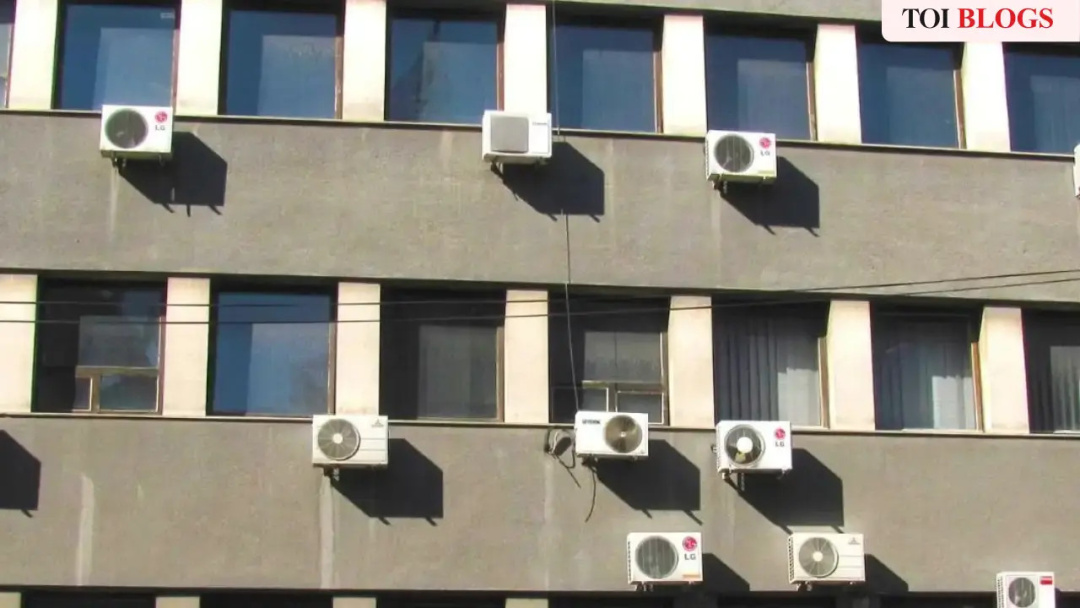
The irony of climate change is stark: as global temperatures rise, our reliance on cooling technologies intensifies. Cooling systems are essential for preserving food, maintaining health standards, and ensuring economic productivity. However, traditional cooling methods often come with significant environmental costs, including high energy consumption and emissions from refrigerants that contribute to global warming. The United Nations Environment Programme (UNEP) has highlighted this as a destructive feedback loop, where increased demand for cooling exacerbates climate change, necessitating a reevaluation of our approach to cooling technologies.
Historically, the ozone layer crisis serves as a poignant example of how the global community can tackle environmental challenges. The Montreal Protocol, enacted in 1987, successfully phased out substances that deplete the ozone layer, showcasing a model for international cooperation and regulatory action. This framework not only eliminated over 99% of the controlled ozone-depleting substances but also set the stage for the ozone layer's recovery, projected to return to 1980 levels by mid-century.
Beyond the Credits
Words from our Sponsor.
The key takeaway from the Montreal Protocol is the importance of a structured transition. It was not merely about stopping the use of harmful substances; it involved a comprehensive shift towards safer alternatives. Scientific assessments guided the necessary changes, while financial and technical support enabled countries to comply with the new regulations. This multifaceted approach ensured that industries could adapt without sacrificing essential services.
The Kigali Amendment of 2016 expanded this framework to include hydrofluorocarbons (HFCs), which, while not ozone-depleting, have a high global warming potential. This amendment emphasizes the need for a global phase-down of HFCs, linking ozone protection directly to climate action. As the world faces increasing temperatures, the demand for cooling solutions is set to rise, making sustainable cooling a critical focus.
Urgency of Sustainable Cooling Solutions
The theme for World Ozone Day 2026, "Global Action for a Cooler Planet: Celebrating 10 Years of Sustainable Cooling under the Kigali Amendment to the Montreal Protocol," highlights the urgency of this transition. Cooling is not just about individual appliances; it encompasses a broader system that includes food security, healthcare, and economic stability. Access to cooling must be equitable, addressing the needs of those most vulnerable to heat without exacerbating environmental issues.
The transition to sustainable cooling requires a holistic approach, considering infrastructure, energy systems, and technology. Designing buildings that naturally manage heat through shading and ventilation can reduce reliance on mechanical cooling. Moreover, improving the efficiency of cooling systems and utilizing low-global-warming-potential refrigerants are essential steps towards minimizing environmental impact.
Until the Next Moment
As India embarks on its cooling transition, the stakes are high. With projections indicating that air conditioner ownership could rise significantly in the coming years, the country must navigate this change thoughtfully. The India Cooling Action Plan addresses these challenges by promoting sustainable practices across various sectors, ensuring that cooling is not just a luxury but a necessity that supports health and productivity.
The lessons from the ozone layer recovery are clear: environmental transitions require coordinated efforts across science, regulation, and finance. As the demand for cooling grows, it is imperative to implement strategies that prioritize sustainability and equity. The future of cooling must be shaped by a commitment to innovative solutions that meet the needs of a warming world while safeguarding our environment.