Movies That Won Awards but Lost Their Cultural Relevance
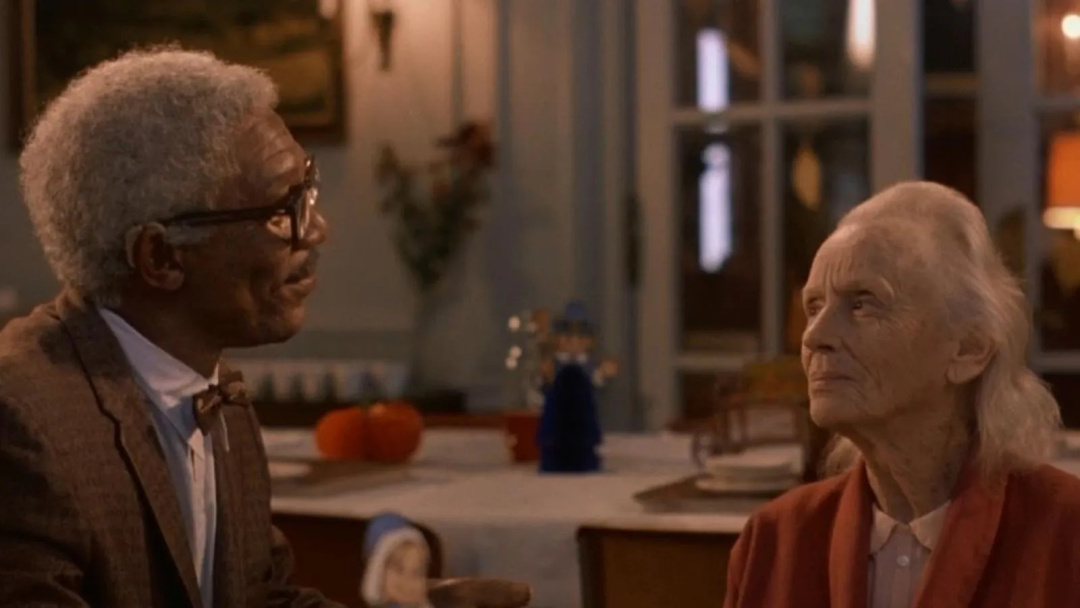
In the world of cinema, some films achieve remarkable success, garnering accolades and box office triumphs, only to fade from the cultural landscape over time. This phenomenon is particularly striking when we consider movies that, at their peak, seemed impossible to escape. They made millions, won major awards, and launched careers, yet today, they are rarely mentioned in conversations about film or pop culture. Here are 15 famous movies that somehow became culturally irrelevant.
The English Patient, which won nine Academy Awards, including Best Picture, was a defining film of the 1990s. However, in recent years, it has not been discussed with the same enthusiasm as other major winners from that decade. Similarly, Kevin Costner’s epic Dances with Wolves triumphed at the Oscars, beating out Goodfellas for Best Picture, yet it has largely faded from everyday movie talk.
Beyond the Credits
Words from our Sponsor.
Shakespeare in Love is another example; it won seven Oscars and famously defeated Saving Private Ryan for Best Picture. Today, that controversial victory may be remembered more than the film itself. Robert Redford’s directorial debut, Ordinary People, also won Best Picture and three other Academy Awards, yet it is often overshadowed by films like Raging Bull, making it easy to overlook.
The modern black-and-white silent film The Artist briefly became a Hollywood sensation and won Best Picture, but it rarely comes up in discussions about cinematic milestones just a decade later. Similarly, Terms of Endearment, despite being a box office hit and winning five Oscars, occupies less space in pop culture today than many smaller films from its era.
Out of Africa, featuring Meryl Streep and Robert Redford, was a major success with seven Oscars to its name. Yet, its cultural footprint has quieted significantly over the years. The Prince of Tides, another prestige drama with seven Oscar nominations, has also become less prominent in conversations about defining films of the 1990s.
The Erosion of Film Legacy Over Time
Driving Miss Daisy, a commercial success that won four Oscars, including Best Picture, has seen its prominence fade, often reduced to discussions about its awards legacy rather than its narrative. Meanwhile, the film Chariots of Fire, which won Best Picture, is remembered more for its iconic beach-running sequence and Vangelis theme than for the film itself.
The Bodyguard was a massive hit, but its soundtrack, particularly Whitney Houston’s rendition of "I Will Always Love You," has arguably outlived the film itself. Disclosure, starring Michael Douglas and Demi Moore, was notable in 1994 but has largely disappeared from mainstream conversation. Similarly, The Pelican Brief, a legal thriller featuring Julia Roberts and Denzel Washington, was a box office success yet rarely receives the nostalgic attention afforded to other films starring either actor.
What Women Want, a romantic comedy that was a massive hit, has not maintained the cultural presence of many smaller rom-coms from the same period. Finally, Hitch, one of 2005’s biggest romantic-comedy successes, feels surprisingly absent from discussions about the defining comedies of that era.
The Final Take
These films remind us of the unpredictable nature of cultural relevance. While they once dominated conversations and won accolades, the passage of time has led to their diminishing presence in popular culture. Understanding why these films have faded can provide insights into the evolving landscape of cinema and audience engagement. As new films emerge and cultural conversations shift, even the most celebrated movies can become relics of the past, leaving us to ponder what makes a film truly timeless.
In conclusion, the journey of these films from celebrated successes to cultural obscurity highlights the transient nature of fame in the entertainment industry. While they may not be at the forefront of discussions today, their achievements remain a testament to the impact they once had on audiences and the film industry as a whole. As we reflect on these cinematic works, we are reminded of the ever-changing tastes and preferences that shape our cultural landscape.