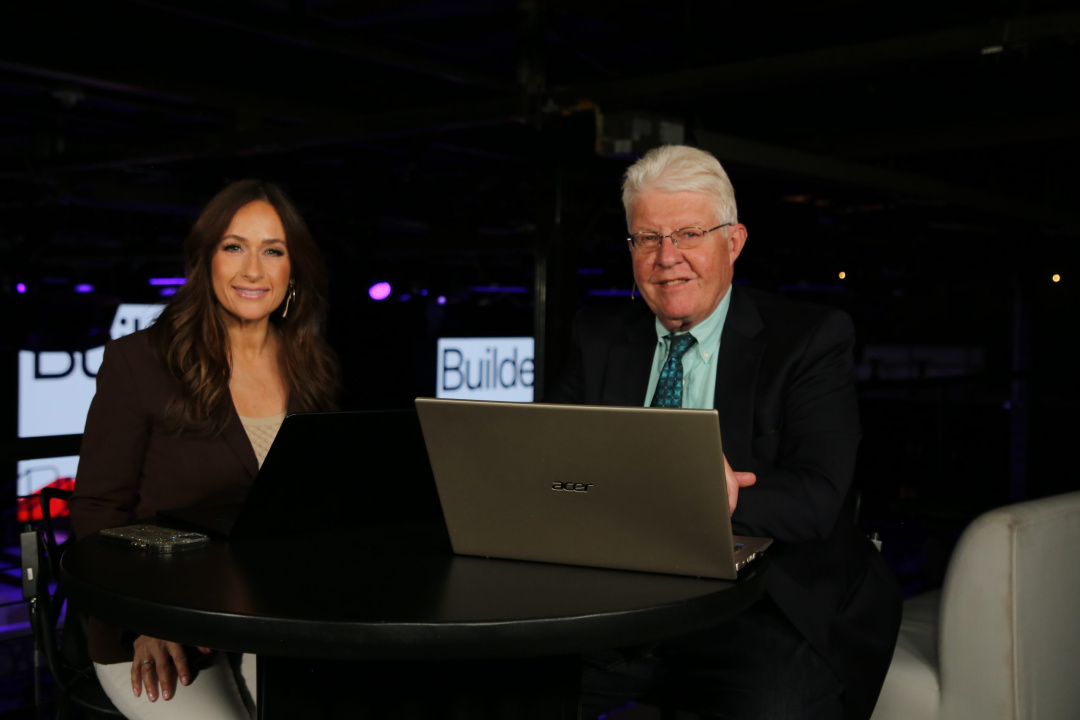
Jeff Dean Shares Insights on Gemini's Multimodal Design Philosophy

Jeff Dean recently shared insights into the origins of Gemini, a cutting-edge AI model, during a webinar. He explained that the project initially faced challenges, particularly in its coding capabilities, which hindered its reasoning abilities. The turning point came when Dean recognized that multiple teams were independently pursuing similar goals, prompting him to advocate for a unified approach. "This is just silly. We should just all work together," Dean noted, emphasizing the importance of collaboration in the development of Gemini.
The culmination of various research projects from Legacy DeepMind, Google Brain, and other divisions of Google, Gemini was designed from the outset to be a multimodal model. Dean highlighted that the goal was to create a system capable of understanding various forms of information, including text, audio, images, and more. This comprehensive design philosophy was instrumental in enhancing the model's capabilities.
Beyond the Credits
Words from our Sponsor.
Interestingly, Dean pointed out that a breakthrough in Gemini's reasoning abilities occurred when the team focused on improving its coding skills. He explained that enhancing the model's proficiency in coding not only benefited its performance in that area but also positively impacted its overall reasoning capabilities. "If you improve coding, you also tend to improve that capability in non-coding things," he explained, illustrating the interconnectedness of skills within AI development.
The Importance of Multimodal Capabilities
Dean's insights shed light on the significance of a multimodal approach in AI, stressing that the model's ability to process diverse data types is crucial for its effectiveness. He mentioned that even incorporating LiDAR data into the training set was a deliberate choice to ensure the model could handle various applications.
After the Applause
As the discussion progressed, Dean reflected on his career and the foundational ideas he has contributed to the field, such as MapReduce and Mixture of Experts (MoE). He expressed the importance of staying informed about emerging trends and research topics, advising students to skim multiple papers rather than focus solely on one. This approach allows for the identification of connections between seemingly disparate ideas, fostering innovation.
The conversation concluded with Dean sharing his thoughts on the future of AI as it transitions from models to increasingly autonomous agents. He emphasized the need for new engineering principles that will guide the development of future technologies. Dean's reflections on Gemini and his broader insights into the AI landscape provide a fascinating glimpse into the evolving world of artificial intelligence, highlighting the importance of collaboration, innovation, and a multimodal approach in shaping the future of technology.