The Divided Kingdom: Scotland, Wales, and Ireland's Push for Independence

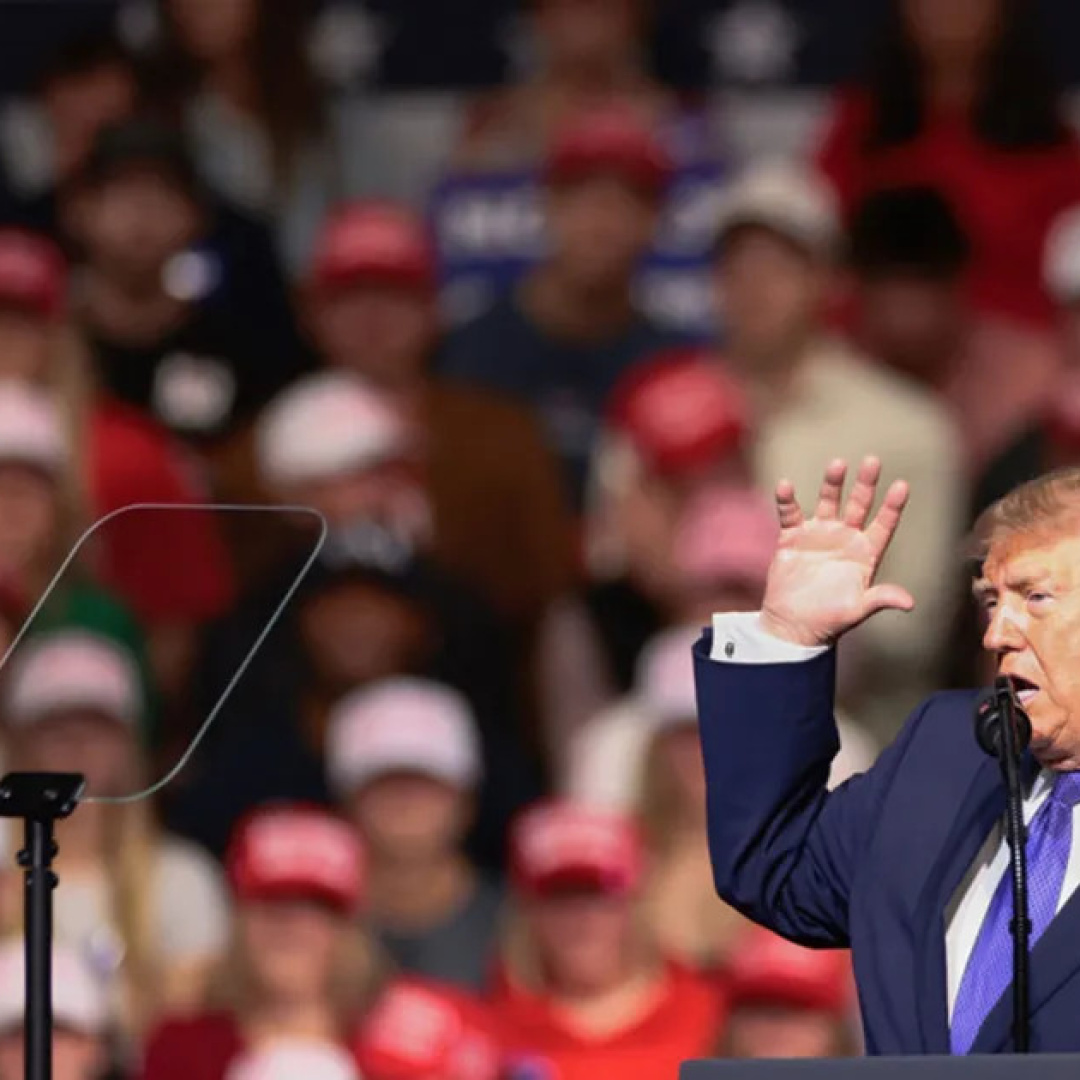
The United Kingdom finds itself at a crossroads, with Scotland, Wales, and Ireland increasingly vocal about their desires to redefine their relationship with the UK. This shift in sentiment is particularly notable as it marks a time when all three nations are led by politicians advocating for independence or significant autonomy, echoing the sentiments that led to Brexit. The discussions have been ignited further by remarks from Donald Trump, who expressed support for a united Ireland, suggesting that such a change could be inevitable. This has stirred reactions from UK Prime Minister Andy Burnham, who countered Trump's comments, but the excitement surrounding the possibility of a united Ireland reflects deeper sentiments across the UK.
Scotland has emerged as the leader in the independence movement, with the Scottish National Party (SNP) and the pro-independence Greens holding a significant majority in the Scottish Parliament. The desire for independence is fueled by the belief that leaving the UK could allow Scotland to rejoin the European Union, reversing the effects of Brexit. Meanwhile, Wales, under the governance of Plaid Cymru, is also exploring its options for greater autonomy, though its push for independence is not as fervent as Scotland's.
Beyond the Credits
Words from our Sponsor.
Northern Ireland's situation is more complex, as Sinn Fein advocates for reunification with the Republic of Ireland rather than outright independence. This reflects a nuanced understanding of national identity and the historical context of Irish partition. The legacy of British colonialism looms large in these discussions, as the UK has a long history of drawing and redrawing borders, often with significant consequences for the people involved.
Brexit's Role in National Aspirations
The backdrop of Brexit has altered the political landscape dramatically. While Scotland and Northern Ireland voted to remain in the EU, England and Wales chose to leave, creating a rift that has only deepened the desire for independence in the former. The irony of the UK, once a colonial power that partitioned nations, now facing its own potential division is not lost on observers. As each nation navigates its path forward, the question of whether the UK will remain united hangs in the balance, with historical precedents and contemporary political dynamics shaping the discourse.
The Impact of Brexit on National Identity
Brexit has not only reshaped the UK's political landscape but has also reignited discussions about national identity and self-determination. The complexities of these movements are intertwined with historical grievances and contemporary political realities. The leaders of Scotland, Wales, and Northern Ireland are now at the forefront of a movement that seeks to redefine their nations' futures, challenging the status quo established over centuries. As these discussions unfold, they highlight the ongoing struggle for autonomy and the desire for a political framework that better represents the unique identities of each nation within the UK.
As the political climate continues to evolve, the future of the United Kingdom remains uncertain. The push for independence among Scotland, Wales, and Northern Ireland reflects a significant moment in history, where the voices of these nations are finally being heard in a way that could reshape the very fabric of the UK itself. The outcome of these movements will undoubtedly have lasting implications, not just for the nations involved but for the concept of the United Kingdom as a whole.