Genetic Surprises from Skinks' Relocation to New Zealand Island
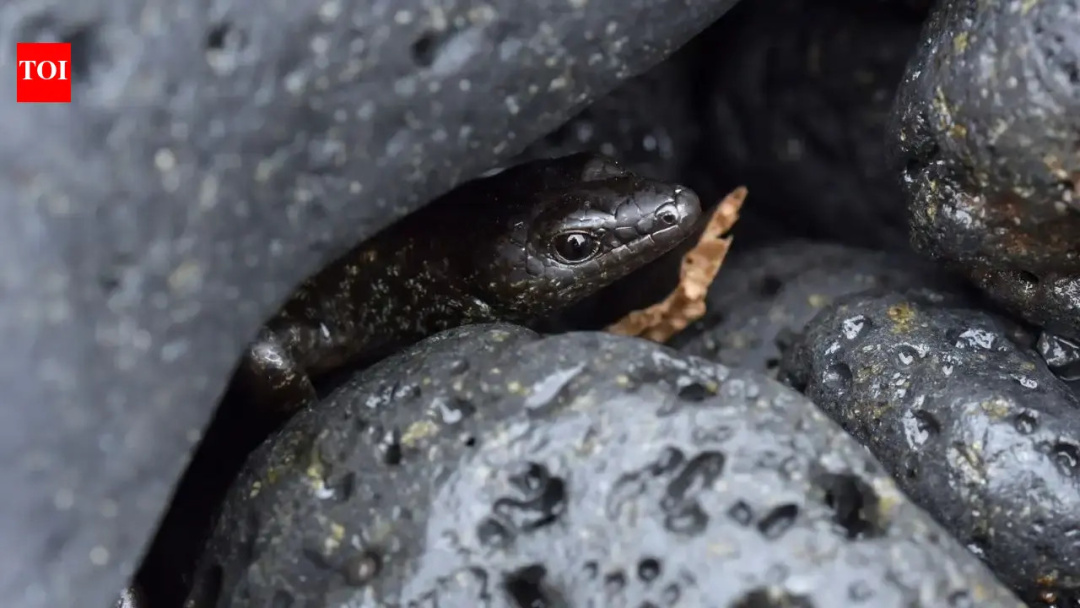
In 1992, a significant conservation effort took place when scientists relocated 30 pregnant skinks from Green Island to Korapuki Island in New Zealand. This initiative aimed to establish a new population of the egg-laying skink, Oligosoma suteri, and years later, researchers uncovered unexpected genetic patterns in the relocated population. The study, published in Conservation Genetics, compared the genetic makeup of skinks from both islands, revealing signs of a genetic bottleneck in the Korapuki population. However, the effective population size was found to be larger than anticipated, suggesting that the pregnant females had contributed more genetically to the new population than their numbers indicated.
The research focused on understanding the genetic consequences of starting a population with a limited number of founders. Typically, a genetic bottleneck occurs when a new population begins with only a small sample of the genetic diversity present in the original population. The findings indicated that the Korapuki population had indeed experienced a loss of genetic variation compared to the Green Island population, which had not undergone such a bottleneck.
Beyond the Credits
Words from our Sponsor.
One of the most intriguing aspects of the study was the relationship between the number of skinks moved and the effective population size. The researchers noted that the effective population size of the Korapuki skinks was significantly larger than what would be expected if the population had been founded solely by the 30 animals moved. This conclusion was drawn after comparing the real population with 10,000 simulated populations based on a founding group of 30 skinks. The key factor was the presence of 20 gravid females among the relocated skinks. Their offspring could contribute to the new population without needing to be transported separately, thereby enhancing the genetic foundation of the population.
Genetic Insights from Skink Populations
The researchers also examined the genetic differences between juvenile and adult skinks on Korapuki Island. They found that juvenile skinks were more homozygous than adults from both Korapuki and Green Islands, indicating a potential reduction in genetic variety within individuals. However, there was no evidence of inbreeding depression affecting the performance of the Korapuki skinks. This finding is crucial, as it suggests that while genetic changes occurred, they did not immediately translate into negative effects on the population's health or viability.
Cue the Credits
Despite the absence of immediate performance issues, the researchers cautioned that the loss of genetic variation could have long-term implications for the population's adaptive potential. This potential refers to the ability of a population to respond genetically to future environmental changes or challenges. The study underscores the importance of considering genetic diversity in conservation strategies, particularly when reintroducing species into new habitats.
The findings from this study highlight the significance of selecting appropriate founders for reintroduction projects. The inclusion of gravid females can substantially increase the effective number of genetic founders, which is vital for maximizing genetic diversity in reintroduced populations. While the Korapuki population has shown measurable genetic changes, the study indicates that conservation success should not be solely judged by immediate survival or growth, but also by the genetic health and future adaptability of the population.