Crayola's Global Color Vote: Generations Share Their Favorite Hues
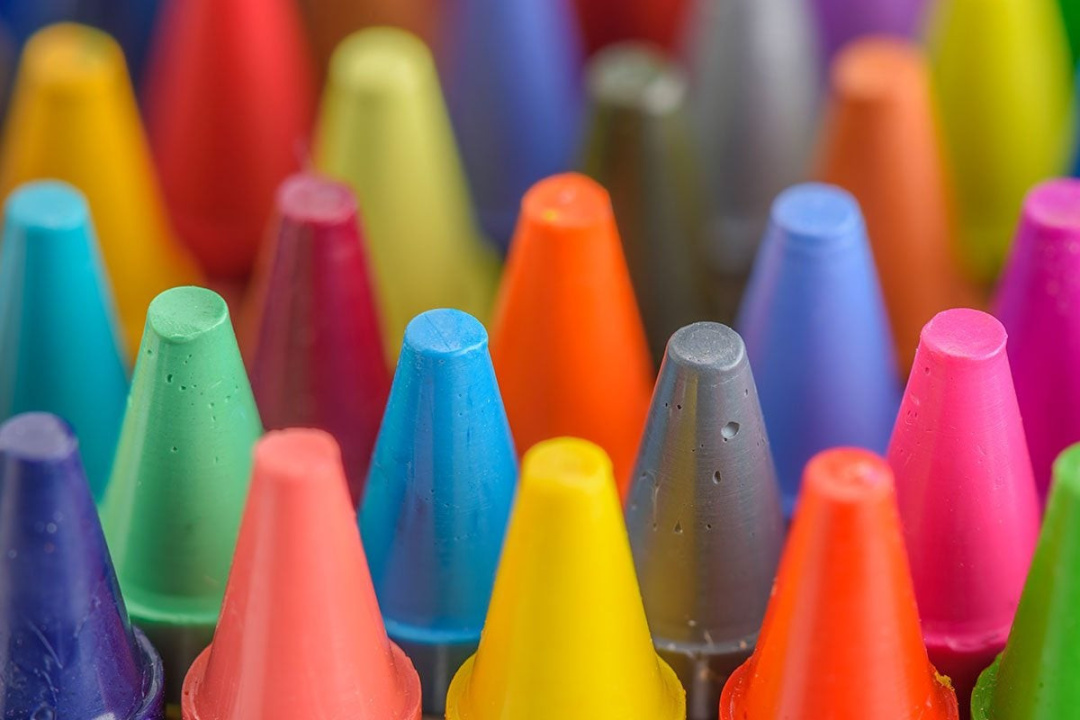
Color has a remarkable ability to connect generations, and Crayola crayons have long been a staple in childhood creativity. Recently, Crayola conducted its first-ever Global Color Vote, polling over 63,000 individuals from 183 countries to discover the favorite crayon colors across different generations. The results, released in conjunction with October's National Color Day, showcase how color preferences can reflect the collective mindset shaped by the times in which each generation grew up.
The survey revealed a surprising consensus: blue emerged as the most favored color across the board. This finding underscores the emotional resonance that color holds, transcending age and cultural barriers. As Crayola's findings indicate, each generation's color choices are not merely aesthetic but are deeply intertwined with their experiences and feelings.
Beyond the Credits
Words from our Sponsor.
For Baby Boomers, born between 1946 and 1964, Purple Heart was the standout choice. This color, rich in emotional depth, resonates with nostalgia and honor, reflecting a stage in life where authenticity and meaning take precedence over fleeting trends. According to psychologist Stefanie Mazer, purple has long been associated with creativity and wisdom, making it a fitting choice for a generation that values individual experience.
Generation X, those born from 1965 to 1980, favored Cerulean, a calming blue that evokes feelings of stability and nostalgia. Mazer notes that this color choice represents a longing for simpler times, a sentiment that resonates with many who grew up in a rapidly changing world. The second and third choices for Gen X were Royal Purple and Blue, further emphasizing their connection to the emotional richness of color.
Millennials, born between 1981 and 1996, continued the trend with Cerulean as their favorite, followed by Robin's Egg Blue and Wild Strawberry. Clinical psychologist Patty Johnson points out that the calming effects of blue might appeal to Millennials who seek balance in their hectic lives. This generation's affinity for these colors reflects their ongoing quest for authenticity and emotional wellness.
Gen Z's Color Choices and Their Meanings
Gen Z, encompassing those born from 1997 to 2010, also chose Cerulean, alongside Wisteria and Robin's Egg Blue. Mazer highlights that for Gen Z, these colors symbolize a preference for calmness and authenticity over chaos, mirroring their mental health priorities. Cerulean, in particular, represents hope and connection, resonating with their emotional landscape.
Finally, Gen Alpha, the youngest generation born from 2010 to 2024, displayed a broader range of color preferences. Their favorite was Sky Blue, followed by Piggy Pink and Red. Johnson suggests that this generation's inclination towards softer pastels signifies a shift away from the bolder colors favored by previous generations, marking their unique identity.
The emotional impact of color cannot be understated. Participants in the survey expressed feelings of happiness, comfort, and nostalgia when reflecting on their favorite colors. Crayola's findings also revealed specific emotional associations with certain hues, such as Canary, which was linked to joy, and Sepia, which evoked calmness.
The Emotional Significance of Color Choices
Crayola's Global Color Vote illustrates the powerful connection between color and emotion across generations. Despite the differences that may separate us, the colors we cherish speak to universal experiences and feelings, reminding us of the shared human experience that transcends time and distance.
As we reflect on the survey results, it's clear that color preferences are more than just personal choices; they are deeply rooted in our cultural and emotional landscapes. The findings from Crayola's Global Color Vote provide a fascinating glimpse into how different generations perceive and connect with color, revealing the timeless nature of our emotional responses to the world around us. Whether it’s the nostalgic hues of the past or the fresh tones of the present, color continues to play a significant role in shaping our identities and experiences.