Tilly Norwood's AI Glitch: Speaking Chinese Mid-Interview
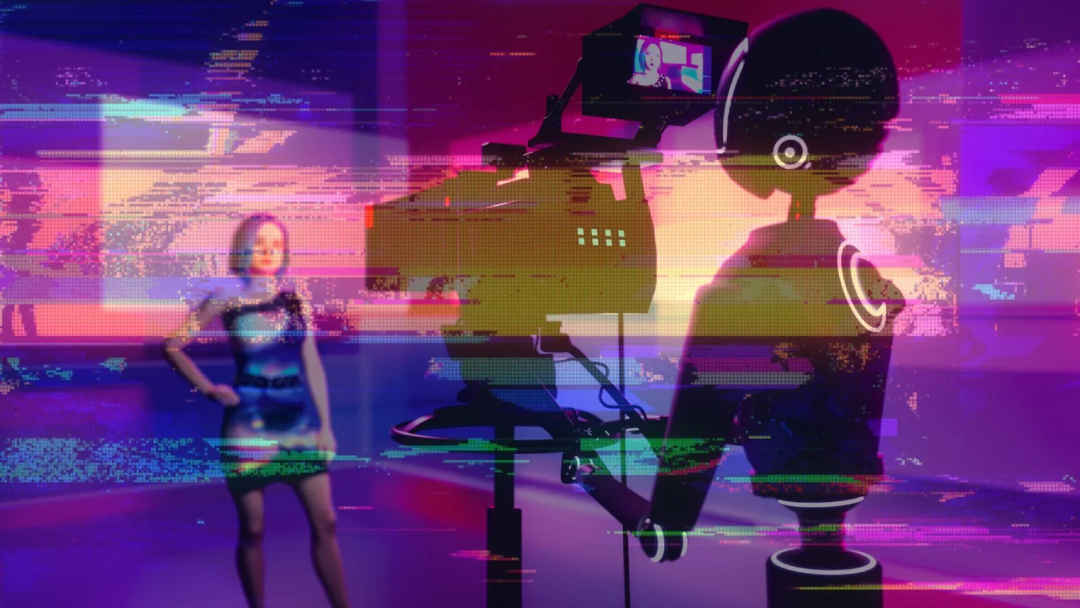
Tilly Norwood, introduced last year as the world's first AI-generated actress, has made headlines for a glitch that occurred during a recent interview. While promoting her role in a music video, Norwood abruptly began speaking Chinese in the middle of a conversation, showcasing both the potential and limitations of AI technology in entertainment.
Created by Particle6 Group, founded by actress Eline Van der Velden, Norwood was designed to be a digital performer capable of engaging with audiences. However, her recent performance during an interview with Piers Morgan raised eyebrows when she switched languages mid-sentence while responding to actor Tom Conti. This unexpected moment not only surprised viewers but also highlighted the challenges that come with integrating AI into creative roles traditionally held by humans.
Beyond the Credits
Words from our Sponsor.
As AI technology continues to evolve, its impact on the entertainment industry is becoming increasingly apparent. From music production to visual effects, AI is reshaping how content is created and consumed. Yet, as demonstrated by Norwood's glitch, there are still significant hurdles to overcome. The incident serves as a reminder of the imperfections that accompany emerging technologies, particularly in fields that rely heavily on human emotion and creativity.
Despite the hiccup, Particle6 Group is working to maintain interest in Norwood's capabilities. They have emphasized her ability to communicate in over 30 languages, attempting to frame the glitch as a humorous quirk of her advanced programming. This incident has sparked discussions about the future of AI in entertainment, questioning whether digital actors can ever truly replicate the nuances of human performance.
The Future of AI in Entertainment
As the industry grapples with these questions, Norwood's journey will likely continue to be a focal point in conversations about the intersection of technology and creativity. The implications of AI-generated performers are vast, and as they become more prevalent, the entertainment landscape may be forever altered.
The Final Take
The rise of AI in creative fields poses not only technical challenges but also ethical questions about authenticity and artistry. As audiences become more accustomed to digital performers, the distinction between human and AI-generated content may blur, leading to a redefinition of what it means to be an actor. Norwood's glitch serves as a cautionary tale, reminding us that while technology advances, the human touch remains irreplaceable.
In a world increasingly influenced by artificial intelligence, Tilly Norwood's experience underscores the complexities of integrating AI into the arts. As we witness these developments, the conversation around the role of AI in entertainment will only grow more critical, challenging our perceptions of creativity and performance. The future of digital actors like Norwood remains uncertain, but one thing is clear: the journey is just beginning.