Jaya Prada Shares Behind-the-Scenes Stories of Rajesh Khanna and Dharmendra
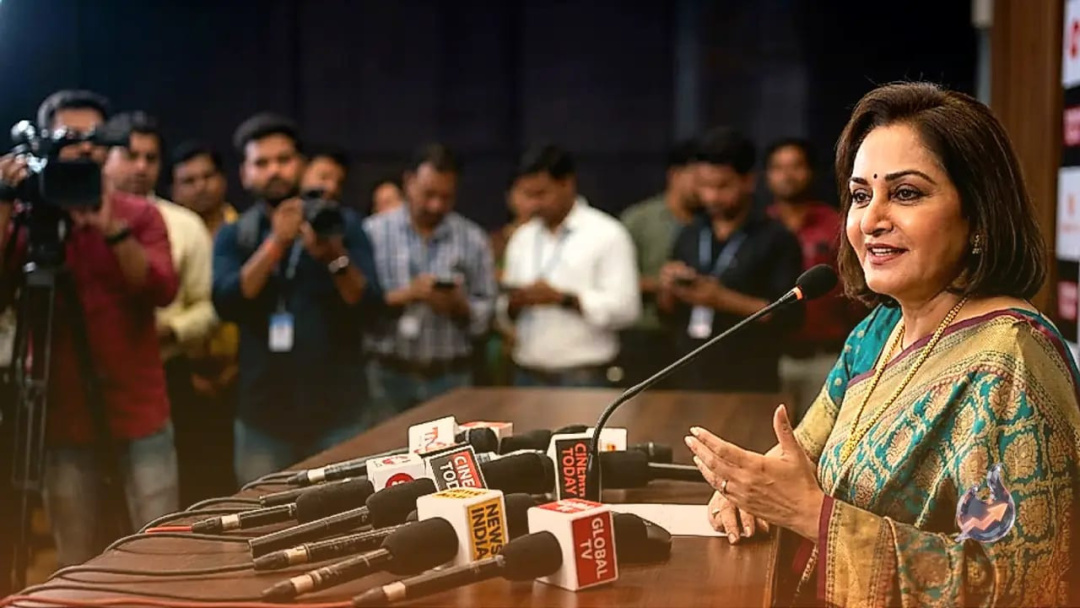
Behind-the-scenes memories from the golden era of Hindi cinema continue to captivate film enthusiasts. Veteran actor Jaya Prada recently offered a rare glimpse into the on-set dynamics of legendary stars and the intense physical demands of her peak acting days. During a television appearance on 'The Kapil Sharma Show', she candidly discussed how different stars managed their schedules, who held the reputation for playful charm, and the grueling nature of multi-shift productions in that era.
Having shared the screen with leading stars like Jeetendra, Rishi Kapoor, and Rajesh Khanna before eventually entering public life as a politician, Jaya Prada appeared alongside Raj Babbar during the interview. When asked who among her contemporary leading men engaged in the most flirtatious behavior, she hesitated modestly before laughing and naming Dharmendra. This frank admission sparked immediate amusement across the studio.
Beyond the Credits
Words from our Sponsor.
The conversation then shifted toward professional habits and timeliness on production sets. When prompted to identify the star known for arriving the latest, Jaya Prada promptly named Rajesh Khanna, setting the stage for an eye-opening comparison of their contrasting approaches to studio life.
Having established her working discipline in South Indian cinema, Jaya Prada developed a strict routine of reporting to shooting locations very early in the morning, frequently arriving by 7 AM. When working in Mumbai, she was typically assigned a 9 AM call time, to which she adhered diligently by reaching the floor on schedule and finishing her makeup. In contrast, Rajesh Khanna often arrived at the studio around 8 PM. According to Jaya Prada, upon reaching the venue, he would first sit down to enjoy vada pav, deliver just a single shot on camera, and then wrap up the day's filming around 9 PM. Waiting throughout the day in complete costume and makeup for a solitary shot presented an immense test of patience for disciplined actors.
Reflecting on the rigorous demands of her early film career, Jaya Prada detailed the sheer physical endurance required to stay active across multiple film industries. At one point, she was balancing up to five distinct shifts in a single day, necessitating near-constant transit between filming spots across states. Illustrating her frantic pace of life during the shooting of the film 'Sharaabi', she explained that she would board an evening train from Ooty to reach Chennai. After showering at Chennai airport, she would catch a connecting flight, using the time mid-journey to apply her makeup. Upon landing in Coimbatore, she would head straight to the production set without resting. Managing non-stop travel while maintaining appearance and performance across parallel projects demanded extraordinary resilience during that golden age of filmmaking.
Behind the Scenes of Classic Cinema
These anecdotes offer cinema fans and industry observers a realistic window into the grueling physical toll and working culture of classic Indian cinema. The story resurfaced recently as a vintage interview clip went viral on social media, bringing past filming traditions and celebrity work habits back into public discussion.
Jaya Prada's journey demonstrates how unyielding stamina, patience, and professional discipline can sustain a prominent career despite demanding obstacles. Her reflections not only highlight the contrasting work ethics of stars from different film industries but also serve as a testament to the challenges faced by actors during a time when the industry operated under vastly different conditions than today.
The Final Take
The stark differences between Jaya Prada's punctuality and Rajesh Khanna's casual approach illustrate the varied work ethics that defined the film industry of their time. While actors trained in South Indian cinema maintained strict punctuality, mainstream Mumbai stars operated on entirely different timelines and habits. These behind-the-scenes recollections do more than just trigger nostalgia; they highlight how performers with vastly different professional disciplines managed to collaborate. When viewed against the strictly scheduled sets of today's streaming and digital media landscape, this serves as a compelling window into the evolution of film production cultures.
Jaya Prada's revelations offer a fascinating glimpse into the starkly contrasting work ethics and stardom dynamics of that era. The divide between South Indian and Mumbai cinema work ethics underscores how discipline and star power shaped film production speeds for decades. As audiences continue to engage with these stories, they not only celebrate the legacy of these stars but also gain insight into the evolution of the film industry itself.