Colin Kaepernick Doubles Down on NFL Slavery Comparison in Podcast
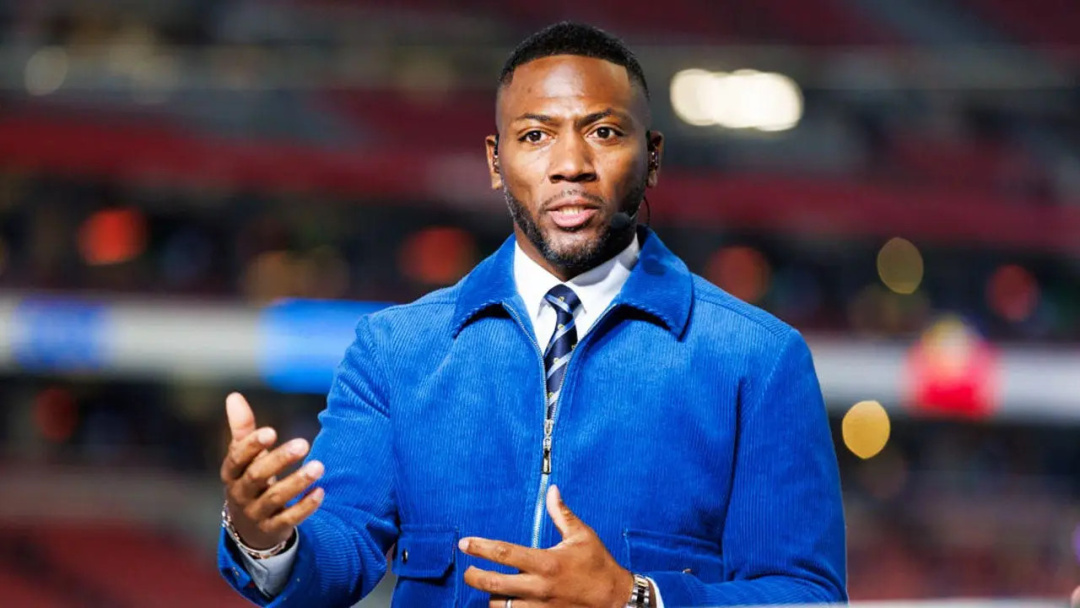
In a provocative episode of the podcast Don't @ Me, Colin Kaepernick revisited his contentious comparison of the NFL draft process to the slave trade, a statement that has drawn both ire and support since he first made it public. During his conversation with Ryan Clark, a former ESPN commentator, Kaepernick elaborated on his views, stating, "When did you truly start to have the realization that [the combine] reminds [you] of the slave trade?" to which Kaepernick replied, "You get to the point, where it's like, 'Strip down to your drawers.' It feels like a meat market." This analogy, which Kaepernick admits he did not fully grasp during his own experience at the 2011 NFL Scouting Combine, has sparked a fierce debate about the nature of professional sports and the historical context of slavery.
Kaepernick's comments have not only reignited discussions about race and exploitation in sports but have also put Ryan Clark in the spotlight for his role as the interviewer. Critics have pointed out that Clark did not challenge Kaepernick's assertions, instead guiding him toward affirming his perspective. This has raised questions about the responsibility of media figures to critically engage with controversial statements, particularly those that draw parallels between vastly different experiences of oppression.
Beyond the Credits
Words from our Sponsor.
The backlash against Kaepernick's analogy is significant, with many arguing that it trivializes the historical horrors of slavery. Dan Dakich, a commentator on the same platform, criticized Kaepernick's claims as illogical, emphasizing the voluntary nature of participation in the NFL as opposed to the forced servitude experienced by enslaved individuals. Dakich's remarks highlight a broader concern about the implications of Kaepernick's statements and the potential for misunderstanding among audiences.
As Kaepernick continues to advocate for social justice and equality, his comments about the NFL have transformed from a personal critique to a wider cultural conversation. His analogy, first introduced in a 2021 Netflix series, has not only affected his own reputation but has also prompted discussions about the narratives surrounding athletes and their experiences in professional sports. The juxtaposition of Kaepernick's privileged position as a former NFL quarterback with his claims of oppression complicates the dialogue, leaving many questioning the authenticity of his perspective.
The Media's Role in Controversial Conversations
The responsibility of media figures like Ryan Clark in such discussions cannot be understated. By failing to challenge Kaepernick's comparison, Clark has been accused of enabling a narrative that some find offensive and misleading. His silence on whether he agrees with Kaepernick's analogy further complicates the matter, leaving audiences without clarity on his stance. This situation underscores the importance of critical engagement in media, particularly when discussing sensitive topics that intersect with race, history, and identity.
As the conversation around Kaepernick's comments continues, it remains to be seen how both he and Clark will navigate the fallout. The implications of such statements extend beyond individual reputations; they reflect broader societal attitudes towards race, history, and the narratives we choose to amplify. Kaepernick's position as a vocal advocate for social justice adds layers to the dialogue, but it also invites scrutiny of the messages being conveyed and the potential ramifications of equating professional sports with historical atrocities.
The Final Take
While Kaepernick's comments may resonate with some as a call for awareness about systemic issues, they also risk alienating others who feel that such comparisons undermine the gravity of historical injustices. As debates continue, the role of media in shaping these narratives will be crucial in determining how these conversations evolve and the impact they have on public perception. The dialogue surrounding Kaepernick's analogy serves as a reminder of the complexities inherent in discussing race and history in contemporary society, and the need for responsible discourse that honors the past while addressing present injustices.