How Music and Dance Offer Freedom in a Fast-Paced World
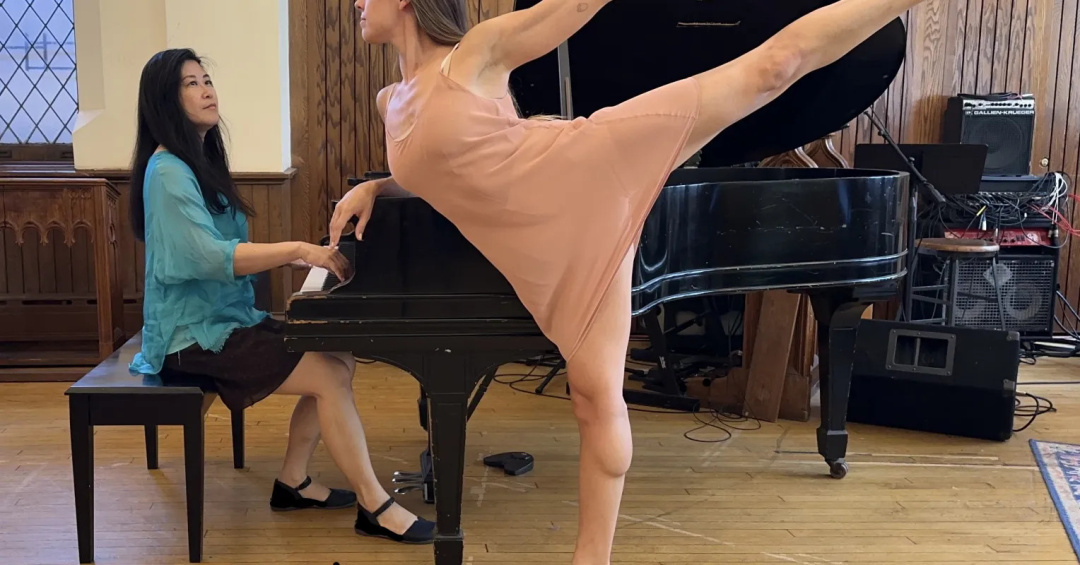
In a world increasingly defined by virtual relationships and the pressure of constant deadlines, the realms of Western classical music and dance provide rich environments for reconnecting with the present moment. The therapeutic qualities of these art forms can serve as a refuge from the chaos of modern life, offering a way to escape the confines of our self-imposed limitations.
The exploration of conscious listening to Western classical music reveals its potential to sharpen our awareness of time. When paired with classical ballet, which embodies space in a visceral manner, the combination creates a unique opportunity for emotional exploration. As we navigate the complexities of life, the interplay between music and dance can help us confront our fears—be it uncertainty, frustration, or embarrassment—and channel those emotions toward healing and connection.
Beyond the Credits
Words from our Sponsor.
The tension and release inherent in music and dance instinctively encourage us to communicate and engage with others. This dynamic mirrors our real-life experiences, where uncertainty often accompanies the journey of living in the moment. In a piece of Western classical music, for instance, harmony creates emotional tension that eventually resolves, reflecting the natural ebb and flow of our emotional states. Similarly, dance captures the essence of unpredictability through unexpected movements and shifts in energy, allowing performers and audiences alike to experience a sense of freedom.
As we engage with the performing arts, we are reminded of our ability to perceive multiple layers of meaning. The normalization of attending to these art forms enhances our capacity for empathy and understanding, fostering a collective experience that transcends individual struggles. While some artists may present their performances as autobiographical therapy, this approach can be risky in a large audience setting, where diverse comfort levels exist. The challenge lies in ensuring that the exploration of painful topics does not retraumatize but rather provides a space for collective healing.
Finding Solace in Shared Artistic Experiences
The integration of various artistic modes during live performances offers a unique opportunity to address emotional compromise. By stepping outside our personal despair and engaging with art, we can find solace in shared experiences. The abstract nature of music and dance allows us to explore our emotions privately, even while moving in sync with others in the audience. This shared journey can facilitate a deeper understanding of our own agency and the choices we make in response to life's challenges.
Worth a Replay
As I collaborate with dancer Caroline Frank on our upcoming show, "The Compromise of Space," we delve into the intricacies of musical scores and the emotional impulses they evoke. Our goal is to highlight the nuances of movement and sound, creating a momentary experience that resonates with the audience. By embracing the performing arts as an integral part of our lives, we cultivate the intentional focus and energy necessary to hold more mental and physical space open. This practice not only enhances our appreciation for the present but also encourages us to engage in activities that foster creativity and connection.
In conclusion, the intersection of music and dance provides a vital avenue for personal expression and emotional exploration. As we navigate the complexities of modern life, these art forms remind us of the importance of being present and embracing the freedom that comes with creative expression. Whether through daily music listening, learning an instrument, or participating in social groups, we can all find ways to enrich our lives and savor the moments that define our existence.