Donald Trump Considers Reality TV Format for White House Coverage
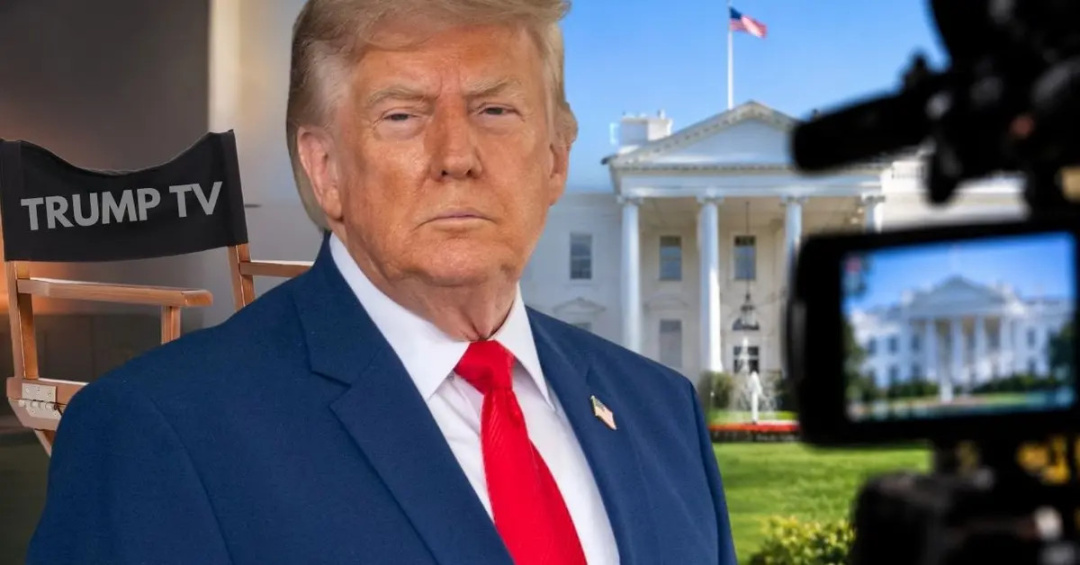
In a surprising turn of events, Donald Trump is reportedly contemplating a shift to a reality TV-style format for his White House coverage. This comes in the wake of major networks like ABC, CBS, CNN, Fox, and NBC suspending their pooled filming of the president after he barred certain outlets from accessing the White House. Sources close to the situation indicate that Trump, who has always had a flair for the dramatic, is determined not to fade from the public eye.
The absence of traditional network coverage has prompted the Trump administration to promote its own online "Trump TV" feed, which features administration-approved footage of speeches and public appearances. A source familiar with the project noted, "Trump understands television better than almost any politician in the world and he isn't going to accept disappearing from people's screens. There is a feeling around him that if the traditional networks won't provide the show, the White House can increasingly produce the show itself."
Beyond the Credits
Words from our Sponsor.
This new approach aims to make presidential coverage more direct and entertaining, with the potential for a reality show format dubbed "Meet the Trumps". The concept raises eyebrows, as it suggests that Trump could prioritize ratings over governance, a concern echoed by critics who worry that such a shift might detract from serious political responsibilities.
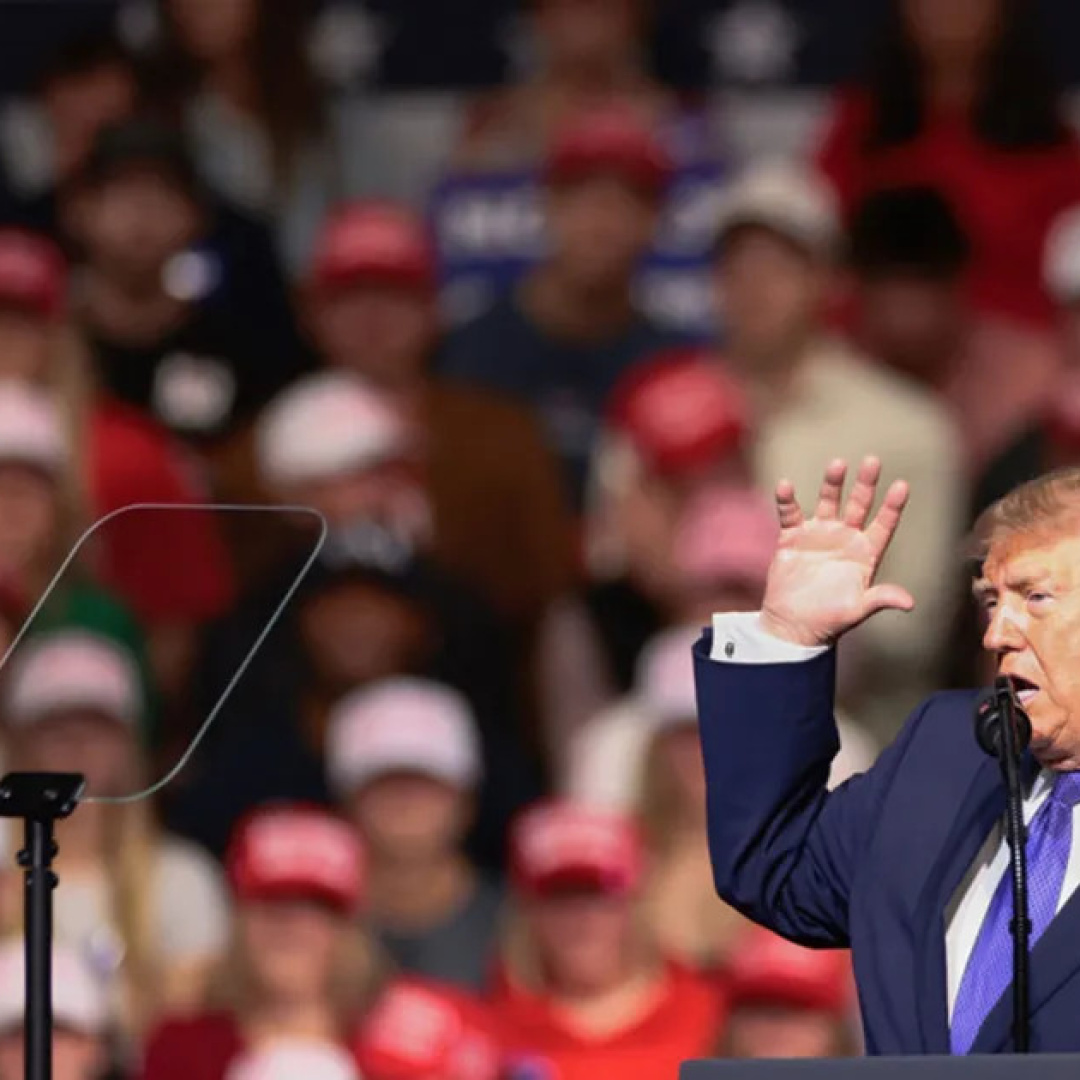
Trump's first encounter with the media boycott was notably during a ribbon-cutting ceremony for a new White House helipad. The lack of regular television pool coverage made it difficult for viewers to hear his remarks, underscoring the impact of the boycott. However, he quickly returned to the spotlight while visiting New York, where he was covered alongside Mayor Zohran Mamdani at Gracie Mansion.
Trump's Media Strategy and Reality TV Influence
In a recent statement, Trump downplayed the boycott, saying, "They said they're going to boycott me, but they never boycott me, so I wasn't very worried about that. Look at all that press." This reflects his ongoing relationship with the media, which has been central to his public persona since his days on reality television. Ramin Setoodeh, author of "Apprentice in Wonderland," noted that for Trump, the absence of coverage feels akin to having a hit show canceled, which he views as a significant crisis.
As the situation unfolds, the implications of Trump's potential reality TV venture are significant. It could redefine how presidential coverage is approached, moving away from conventional political broadcasting to a format that emphasizes spectacle and personality. This shift might create an enormous opportunity for Trump to further cultivate his brand and maintain a connection with his audience, especially if traditional media remains at odds with his administration.
The Final Take
The ongoing dispute with networks like CNN, MS NOW, and Politico, which have sued the administration for alleged violations of their First and Fifth Amendment rights, adds another layer of complexity to this situation. Trump's social media presence and his administration's push for a self-produced media stream highlight his understanding of modern media dynamics. As he continues to explore ways to engage with the public, the line between politics and entertainment may blur even further, raising questions about the future of political discourse in America.
In this evolving media landscape, Trump's reality TV aspirations could reshape the narrative of his presidency. By leveraging his entertainment background, he might not only maintain visibility but also redefine how political figures interact with the public. As he navigates these challenges, the implications for both his administration and the broader media environment remain to be seen.