Exploring Hispanic Identity Through Music and Heritage
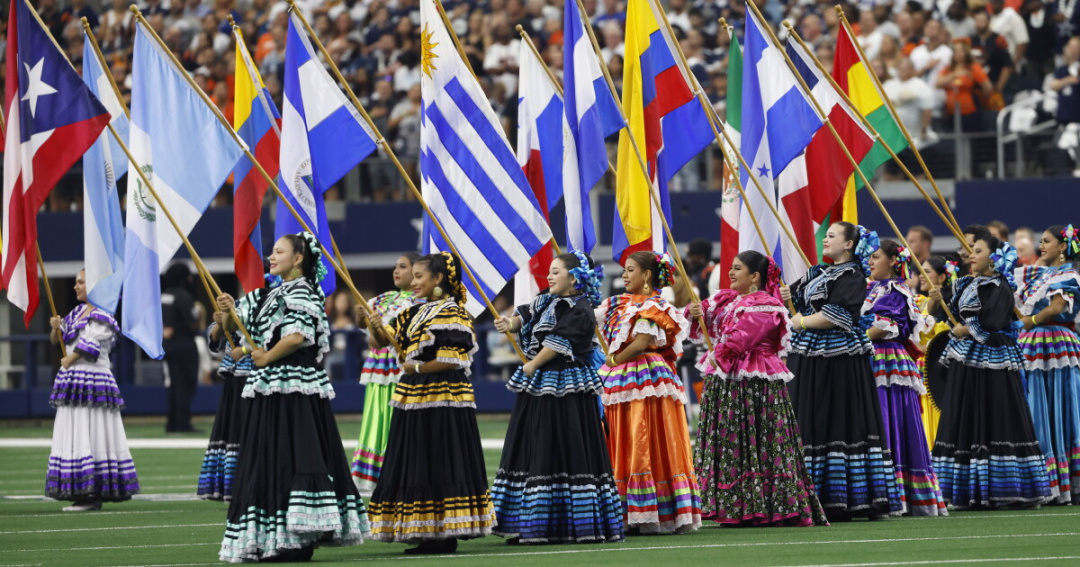
Hispanic Heritage Month is a vibrant celebration of the diverse experiences within Hispanic and Latino communities across the United States. However, it also prompts critical reflection on who remains excluded from the broader conversations surrounding Latino identity. On KPBS Midday Edition, host Jade Hindman engages in a compelling dialogue with Jose Fuster, an assistant professor of ethnic studies at UC San Diego, who sheds light on the often-overlooked Afro-Latino population, which constitutes about 12% of the Latino demographic in the U.S., according to a 2022 Pew Research Center study.
Fuster explains the evolution of terms such as Latino, Hispanic, and Chicano, emphasizing their historical significance and the social movements they are tied to. The term Latino emerged in the late 19th and early 20th centuries, primarily among Cuban and Puerto Rican migrants on the East Coast, while Chicano was embraced by a youth movement in the 1960s aimed at reclaiming a term that had previously been used in derogatory contexts. In contrast, the term Hispanic was coined by the U.S. Census Bureau in the early 1970s as a broad label for Spanish speakers, but it often carries connotations of conservatism and exclusivity, particularly in regions like New Mexico.
Beyond the Credits
Words from our Sponsor.
Fuster highlights the complexities of colorism within Latino and Hispanic cultures, tracing its roots back to colonialism and the establishment of racial caste systems in the 1700s. He notes that while independence movements in Latin America proclaimed equality, societal privileges remained concentrated among lighter-skinned individuals, perpetuating a legacy of racial discrimination that persists today. This historical context is crucial for understanding the lived experiences of Afro-Latinos, who often find themselves navigating the intersections of racial and cultural identities.
The conversation also touches on the challenges faced by the Afro-Latino community in gaining visibility and recognition within both the broader black and Latino movements. Fuster emphasizes that being Afro-Latino is not about choosing between identities but rather about embracing the richness of both. He points out that Afro-Latinos have historically contributed to both black liberation and Latino social movements, yet their contributions are frequently overlooked. The need for reciprocal solidarity between these communities is a recurring theme in Fuster's insights.
Highlighting Nicole Hernandez's Musical Journey
Following this enlightening discussion, the spotlight shifts to Nicole Hernandez, a San Diego-based bilingual singer-songwriter whose debut album, "Layers," reflects her unique cultural heritage. Growing up in Tijuana with a Cuban father and a mother from Sinaloa, Mexico, Nicole's music embodies a fusion of genres influenced by her diverse background. Her recent performance for KPBS showcases her ability to blend Afro-Cuban rhythms with elements of Latin jazz, R&B, and soul, creating a sound that resonates with her cross-border upbringing.
After the Applause
Nicole's journey as an artist is a testament to the growing multicultural landscape of the San Diego region, where she aims to pay homage to her lineage through her music. As she gathers a band of talented women musicians, she likens the process to collecting "Infinity Stones," emphasizing the importance of collaboration and female empowerment in her artistic expression. Her work not only highlights her personal experiences but also contributes to the broader narrative of Hispanic identity, celebrating the rich tapestry of cultures that define it.
As the conversation wraps up, it becomes clear that Hispanic Heritage Month serves as a vital platform for recognizing the complexities of identity and representation. Through discussions like those with Fuster and Hernandez, we gain a deeper understanding of the diverse voices that shape the cultural landscape, reminding us that every story is worth telling and every identity deserves recognition.