Bob Chapek's Memoir Reveals Tensions with Bob Iger Over Disney's Florida Crisis
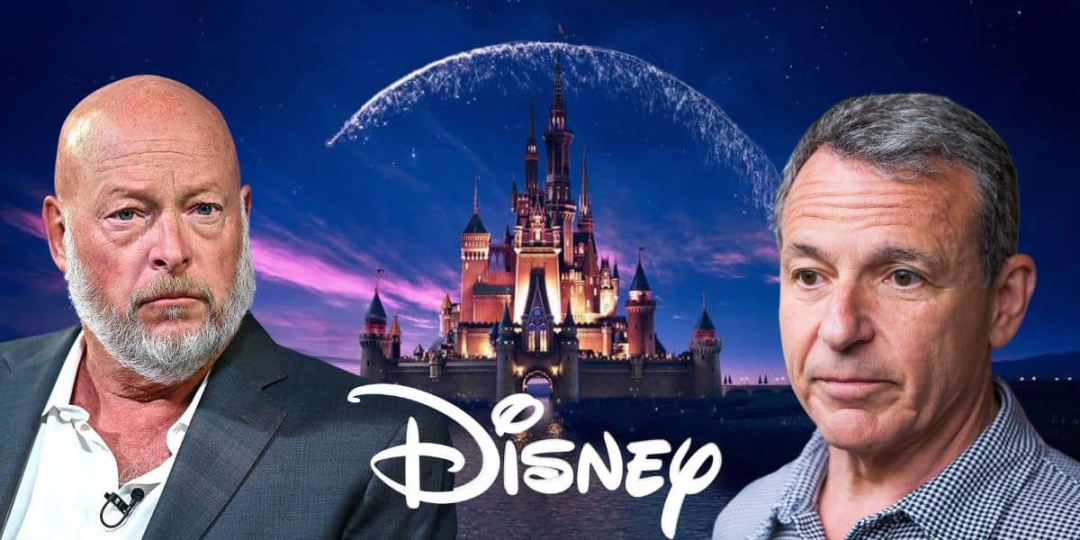
Former Disney CEO Bob Chapek is shedding light on one of the most controversial chapters in Disney's recent history through his memoir, "Behind the Castle Walls: My Thirty Years at the Happiest Place on Earth." Central to his narrative is the 2022 political battle over Florida's Parental Rights in Education Act, often referred to as the "Don't Say Gay" bill. Chapek claims that his predecessor and successor, Bob Iger, played a significant role in escalating the crisis, which he had initially hoped to navigate carefully.
Chapek asserts that he had a clear strategy to keep Disney out of the political fray, believing that a neutral stance would be in the company's best long-term interest. He had maintained a working relationship with Florida Governor Ron DeSantis during the pandemic and felt that avoiding public political statements had generally benefited Disney. In March 2022, he communicated to the Disney Board of Directors his intention to issue an internal statement reaffirming the company's commitment to diversity, equity, and inclusion while working quietly with lawmakers.
Beyond the Credits
Words from our Sponsor.
However, Chapek's plans were disrupted when Iger, despite having stepped down from his CEO role, publicly condemned the Florida legislation via a tweet. He stated that the bill would jeopardize vulnerable LGBTQ youth, a move Chapek describes as a calculated power play that undermined his authority and complicated the political landscape for Disney. Chapek argues that Iger's tweet hardened DeSantis's stance and signaled to conservatives that Disney was taking a partisan position, making it more difficult for him to maintain a neutral approach.
Chapek's Response to Growing Backlash
Faced with mounting pressure from employees and the public, Chapek quickly reversed his position, issuing a public apology to LGBTQ+ Cast Members and pausing political donations in Florida. He later expressed regret over this decision, calling it a mistake driven by external influences. The backlash from both sides of the political spectrum only intensified, leading to legislative actions that targeted Disney's special district in Florida, which had granted the company significant local government powers since 1967.
Beyond the Spotlight
Chapek's memoir not only provides insight into the internal dynamics at Disney but also highlights the broader implications of corporate involvement in political controversies. His reflections suggest that a different approach might have spared Disney from the legal battles that ensued. While he positions himself as a leader caught in a complex web of corporate politics, other accounts from that period suggest a range of challenges during his tenure, including strained relationships with talent and issues related to theme park management.
As Disney fans and industry observers delve into Chapek's account, the memoir serves as a crucial document for understanding the tensions that shaped his brief leadership. The extent to which readers accept his narrative will likely vary, but it undeniably adds a layer of complexity to the ongoing discussion about corporate responsibility and political engagement in today's cultural landscape.