How a Small Town Lesbian Bar Sparked a Viral Sensation
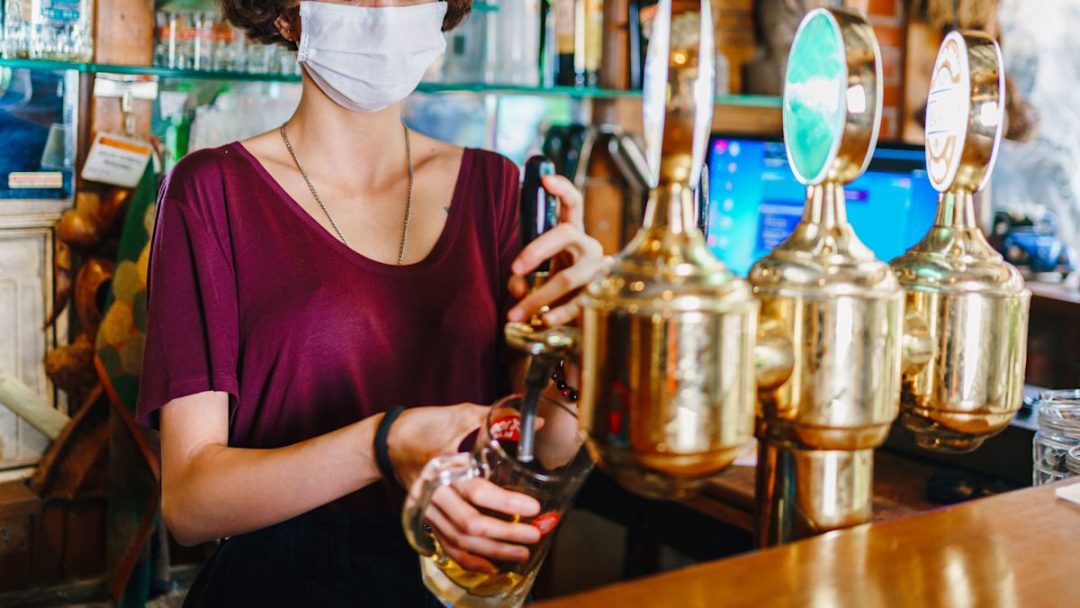
In a surprising twist, a mask policy at Last Ditch, a lesbian bar in the LGBTQ-friendly town of Greenfield, Massachusetts, has become a viral sensation. The Boston Globe recently published an article detailing the uproar that erupted when the bar announced it would transition to a mask-optional policy for Saturday night happy hours. This seemingly innocuous decision has sparked intense online conversations, with the Globe's correspondent Dave Beard noting the extraordinary reach of the story.
The day following the article's publication, the Globe's managing editor reported that the piece had generated over 1,000 new subscriptions and was on track to break content records for the year. The phrase "COVID-conscious lesbian bar" quickly gained traction online, becoming a part of the lexicon of the chronically online, alongside other viral phrases.
Beyond the Credits
Words from our Sponsor.
The controversy began with an Instagram post from Last Ditch's management on August 31, announcing the new policy with a flier that included a message directed at their immunocompromised patrons. The decision was made after feedback from regulars and staff, but the backlash was swift and fierce. Critics accused the bar of being "ableist," claiming that the mask-optional approach disregarded the safety of those with disabilities. Some comments were particularly harsh, with one user stating that the venue should be "firebombed" for its decision.
Despite Greenfield reporting zero COVID cases since early July, the debate surrounding the bar's policy intensified. Last Ditch attempted to address the criticism with a follow-up post apologizing for the "passive and dismissive tone" of their announcement, but the backlash continued. The situation escalated during a community meeting where tensions flared, and accusations flew, particularly directed at Jackie Matellian, one of the bar's founders.
Hollywood Takes Notice of Local Controversy
As the story gained traction, it caught the attention of Hollywood, with reports suggesting potential adaptations of the saga. The online discourse surrounding the bar's mask policy has evolved into a broader commentary on societal issues, with various political figures weighing in. Some conservatives have used the incident to criticize what they perceive as the absurdities of progressive culture, while left-leaning commentators have highlighted the infighting that can occur within activist communities.
The local response in Greenfield has been mixed, with some residents expressing concern for Last Ditch's future amid the newfound notoriety. City Council President Lora Wondolowski voiced worries about the bar's ability to weather the storm, while others hope that the attention will ultimately benefit the establishment, bringing in new patrons and business to the area.
The Final Take
This incident serves as a striking example of how a localized issue can resonate on a national scale, igniting discussions about community values, safety, and inclusivity. The rapid spread of the story underscores the power of social media in shaping public discourse and highlights the complexities of navigating cultural sensitivities in a diverse society. As Last Ditch continues to navigate the fallout from its policy change, the moment serves as a reminder of the unpredictable nature of viral fame and the conversations it can provoke.
In the end, the saga of Last Ditch illustrates the intricate dynamics of modern activism and community engagement. As the bar grapples with the implications of its decisions, the story remains a fascinating case study in how niche topics can capture the public's imagination and spark widespread debate. Whether this moment will lead to lasting change or simply fade into the annals of internet history remains to be seen, but for now, it stands as a testament to the strange and often unpredictable nature of our digital age.