WGBA's Bold Move: Local News Broadcasts Without Anchors
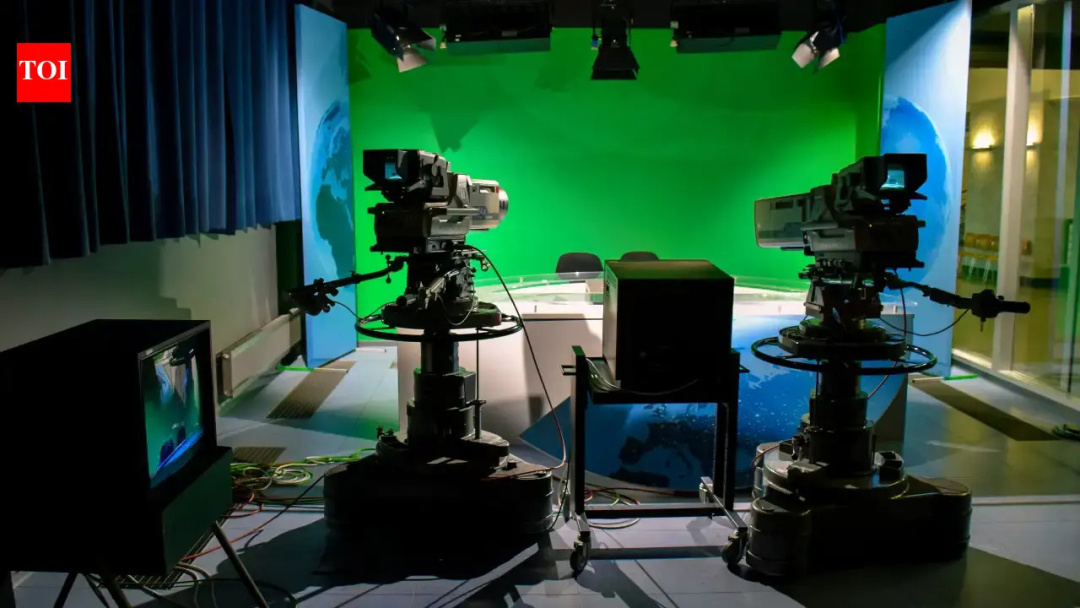
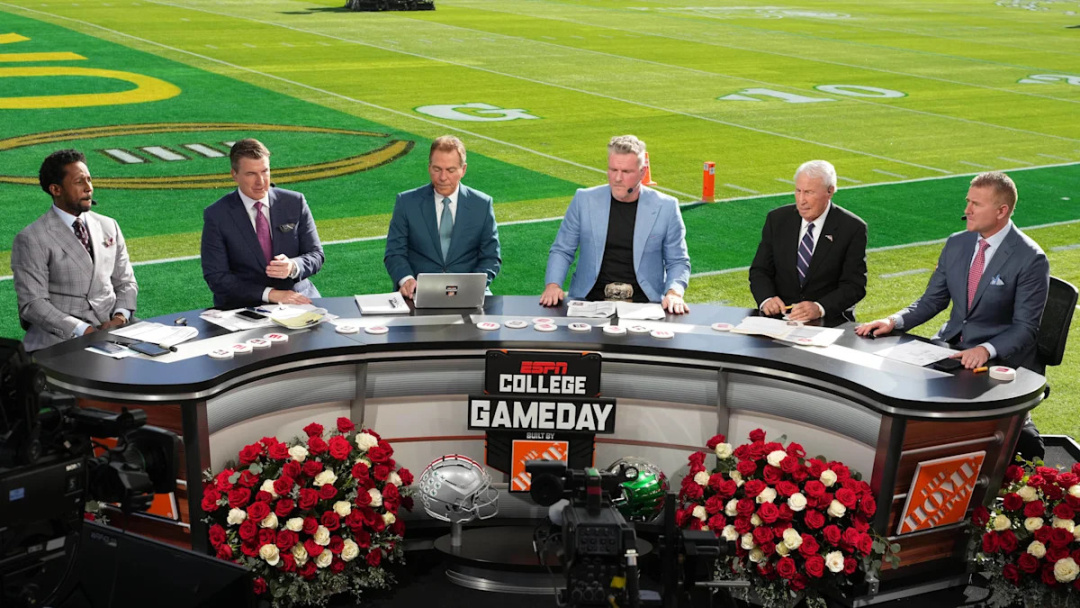
In a bold move to revitalize local news, WGBA in Green Bay, Wisconsin, has made the unprecedented decision to broadcast its 6pm news without traditional anchors. Instead of the familiar faces of anchormen and women, viewers are now greeted with a series of pre-recorded segments that feature reporters delivering the news directly from the field. This shift reflects a growing trend among news organizations to adapt to changing viewer habits and preferences.
The recent broadcast began with a quick weather update before transitioning to various segments, including a report on a sheriff's decision to suspend the use of license-plate readers, an exploration of power plants, and an interview with a high school football coach. This format not only allows for a more dynamic presentation of news but also aims to engage audiences who have increasingly turned to digital platforms for their information.
Beyond the Credits
Words from our Sponsor.
WGBA's parent company, EW Scripps Co., one of the largest owners of television stations in the United States, is spearheading this initiative as part of a broader strategy to reshape local news operations around streaming and on-demand content. The Cincinnati-based company, which has a rich history dating back to 1878, is responding to a significant decline in traditional TV viewership, which has impacted both ratings and advertising revenue.
By moving away from the conventional anchor-led format, WGBA hopes to create a more engaging news experience that resonates with viewers. The strategy is designed to provide a steady stream of content that is not only informative but also tailored to the interests of the audience. Reporters are now responsible for recording and editing their own segments, which adds a personal touch to the news being presented.
Shifting Dynamics in News Broadcasting
This experiment raises important questions about the future of local news broadcasting and how it can adapt to the evolving media landscape. As audiences increasingly seek content that fits their viewing habits, WGBA's approach may signal a significant shift in how local news is produced and consumed. The success of this model could influence other stations to reconsider their formats and strategies in the face of declining traditional viewership.
The Future of Local News
As WGBA embarks on this new journey, the media industry watches closely to see if this innovative format can capture the attention of viewers who have moved away from traditional television. The implications of this shift are profound, as it not only affects how news is delivered but also how it is perceived by the public. If successful, WGBA's experiment could pave the way for other local stations to adopt similar strategies, ultimately transforming the landscape of local news broadcasting.
The decision to eliminate anchors from the evening news is a reflection of the changing dynamics in media consumption. With more viewers turning to online platforms for their news, local stations must adapt or risk becoming obsolete. WGBA's experiment may well be the beginning of a new era in local journalism, one that prioritizes accessibility and viewer engagement over traditional formats.