Harvard Museum's Exhibition Highlights Dodo, Extinct Toad, and Ancient Fern
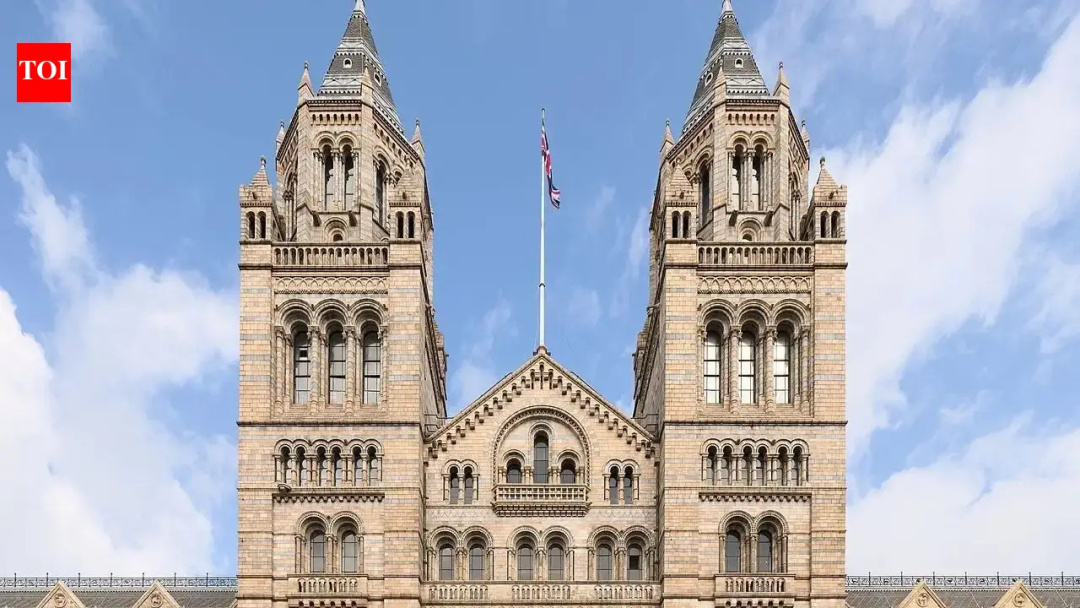
At the Harvard Museum of Natural History in Cambridge, Massachusetts, a new exhibition titled 'Collecting Wonders: Tomorrow's Discoveries' is delighting visitors with a showcase of some of the rarest and oldest specimens from the museum's extensive collection of 26 million objects. This exhibition, which opened on June 27, 2026, and will run through April 2027, features a variety of specimens that span billions of years, including a dodo skeleton, an extinct golden toad, and a 300-million-year-old fern, all of which are crucial for scientific research and understanding biodiversity.
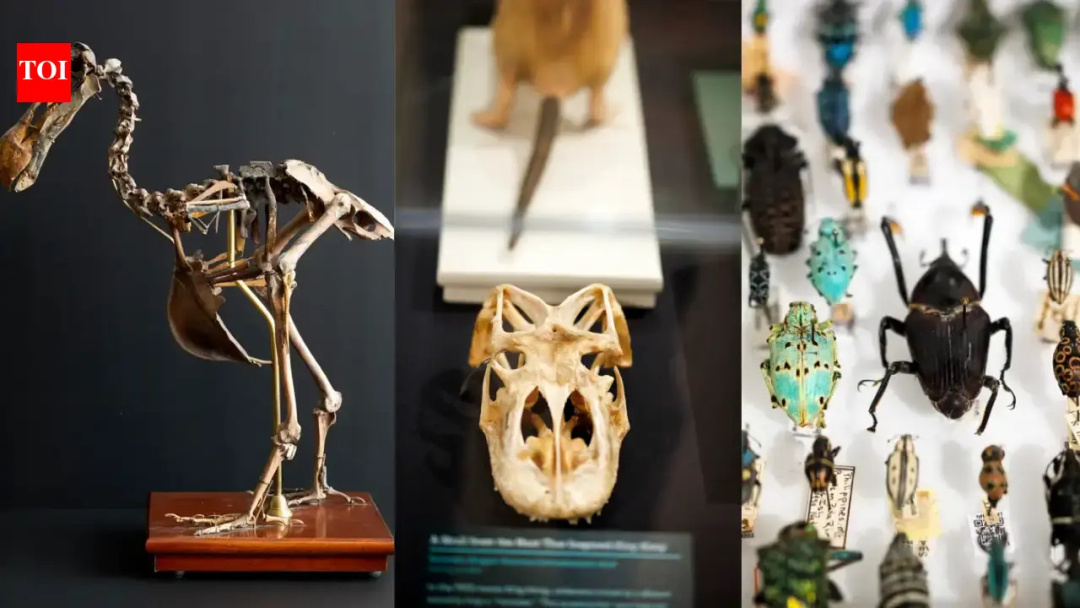
The dodo skeleton, a highlight of the exhibition, represents a species that has been extinct since the 17th century, with its last widely accepted sighting recorded in 1662. This skeleton has not been displayed for nearly twenty years, making its return to the public eye particularly special. Alongside it, the golden toad, which was discovered in 1964 and declared extinct in 2004, serves as a poignant reminder of the fragility of species and ecosystems. Ornithology collection manager Jeremiah Trimble emphasizes that such specimens provide invaluable insights into the genetic changes of species over time, preserving a snapshot of their existence and habitats.
Beyond the Credits
Words from our Sponsor.
Visitors to the exhibition can also marvel at the 300-million-year-old fern, which tells a different story of Earth's history. These ancient plants were buried and compressed over millions of years, eventually transforming into the coal that fueled the Industrial Revolution. The exhibition features a variety of other specimens, including a fully articulated polar bear, which has been part of the collection since at least 1878 and continues to be a vital research tool for scientists studying population diversity and ecological conditions.
The Closing Scene
In addition to these remarkable specimens, the exhibition includes extraordinary stories behind other objects. For instance, George Washington's golden pheasants were sent to him by the Marquis de Lafayette after residing in the aviary of Louis XVI. A Komodo dragon skull is linked to a 1926 expedition that inspired the film 'King Kong,' while a blue morpho butterfly exhibits both male and female wing markings, a rare trait found in only one in 10,000 butterflies.
The exhibition not only showcases the beauty and diversity of life on Earth but also underscores the ongoing relevance of historical specimens in contemporary scientific research. As curator Michaela Schmull notes, discovering the stories behind these objects is one of the most rewarding aspects of her job. The exhibition invites visitors to appreciate the wonders of the natural world and the importance of preserving its history for future generations.