Reassessing Public Funding for New Zealand's Live Music Scene
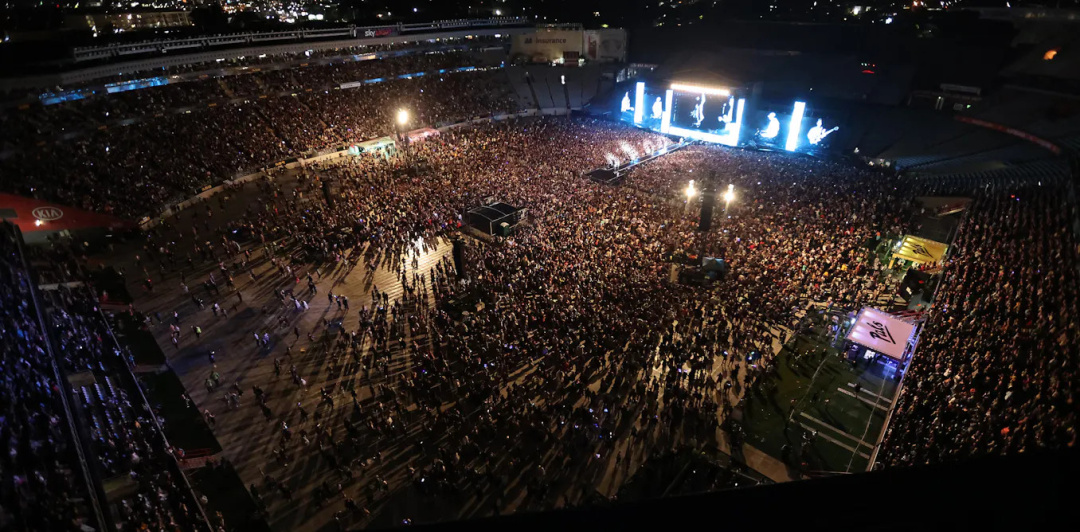
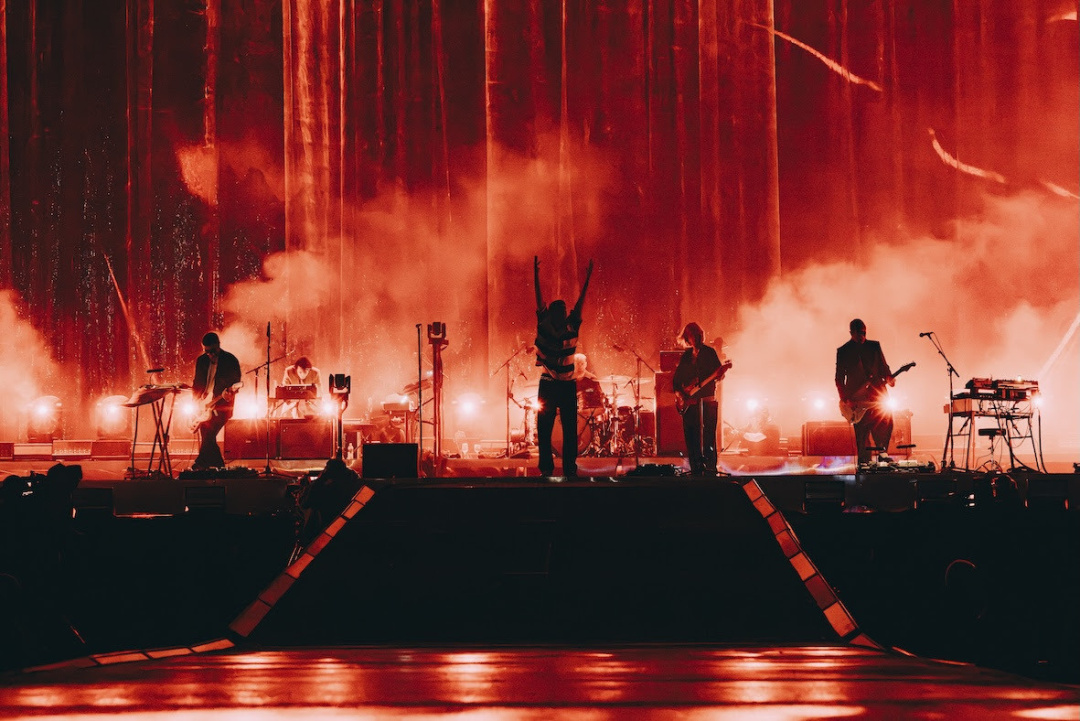
In March this year, Linkin Park made headlines by performing at Auckland’s Spark Arena, drawing a record crowd of 12,376 fans for their first concert in New Zealand since 2013. This major event was backed by public funding from the NZ$40 million Events Attraction Package managed by the Ministry of Business, Innovation and Employment (MBIE), designed to support significant events that attract both local and international audiences. However, while the attendance numbers were impressive, the reality is that only a small fraction of the audience—just 126 people or 1%—traveled from overseas specifically for the concert.
Similar trends were observed during the ULTRA New Zealand Music Festival earlier this year, which also received funding from the Events Attraction Package. Out of the attendees, only 118 were international visitors, accounting for a mere 0.4%. This raises questions about the package's effectiveness, with critics pointing out that it seems to favor multinational promoters over homegrown events, often subsidizing international artists who would likely perform regardless of government support.
Beyond the Credits
Words from our Sponsor.
In fact, internal MBIE recommendations cautioned against funding concert tours, suggesting that the economic benefits may not justify the costs. Yet, in a cabinet paper, Tourism and Hospitality Minister Louise Upston referenced research indicating that every dollar invested in live performance events yields a return of $3.20 to the broader community. While this research supports the idea that live events can generate economic benefits, it also highlights the need for a more strategic approach to funding.
Wellington City Council's evaluation of ULTRA noted that the festival exceeded expectations, generating $5.4 million in new visitor spending—averaging $575 per person, which is about three times the price of the cheapest ticket. Moreover, Upston reported that the first four events supported by the package generated over $15 million in net benefits from an investment of $5.9 million, creating opportunities for local talent to share the stage with international stars.
However, the benefit-cost analysis provided by MBIE lacks transparency, making it difficult to compare with independent research findings. Despite the reported benefits, the funding approach has been criticized for its lack of coordination between central and local government and for being reactive rather than strategic.
Rethinking Funding for Regional Music Growth
To effectively support the local live music scene, experts suggest prioritizing smaller, sustainable investments that enhance accessibility and encourage participation beyond major urban centers. The current funding model tends to concentrate audiences and spending in cities like Auckland, Wellington, and Christchurch, sidelining regional economic activity.
An independent review of the Events Attraction Package emphasized the need for a more coherent funding strategy that aligns with long-term goals. While government investment in live music has proven beneficial, it must be directed in a manner that truly supports local artists and communities. Initiatives like the Music Managers Forum’s Spotlight Aotearoa could ensure that international tours also promote local acts, fostering a more inclusive music landscape.
Cue the Credits
As the debate continues, the challenge remains for the government to demonstrate that subsidizing large international shows yields greater benefits than investing directly in local music events and infrastructure. While the recent allocation of $60,000 to support all-ages music spaces in Auckland is a positive step, it pales in comparison to the potential impact of a more strategically targeted funding approach.
The conversation around public funding for live music in New Zealand is complex and multifaceted, requiring careful consideration of how best to leverage resources for the long-term benefit of local artists and communities. The ultimate goal should be to create a vibrant and accessible live music scene that reflects the diverse cultural landscape of Aotearoa New Zealand.