The Munsters: A Sitcom Legacy That Defied Expectations
In the mid-1940s, animator Bob Clampett pitched a family-sitcom-style show about a group of monsters to Universal Studios. This concept languished for nearly two decades until Hanna-Barbera writers Allan Burns and Chris Hayward, inspired by Charles Addams' comics and Universal's monster catalog, merged their ideas. The result was 'The Munsters,' which CBS premiered on September 24, 1964, just days after 'The Addams Family' debuted.
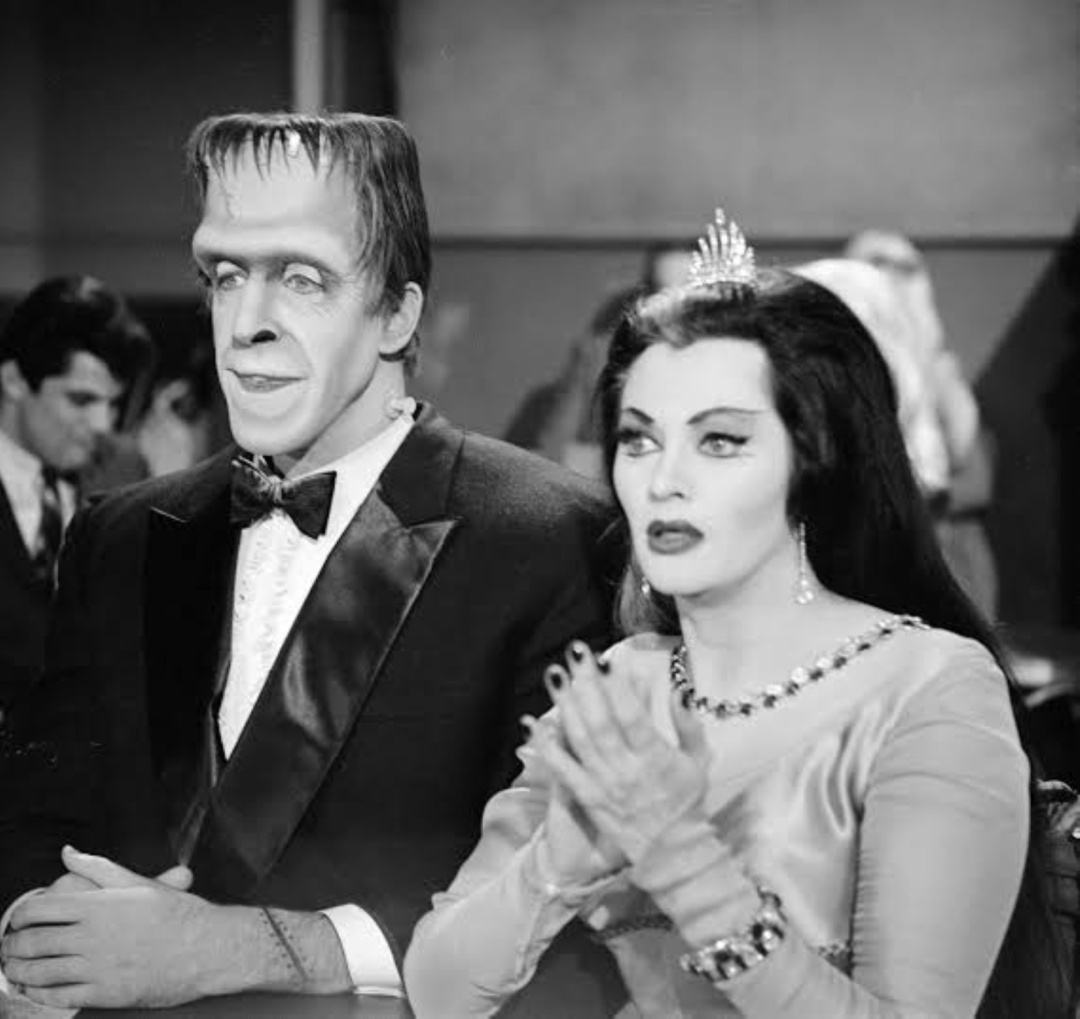
Despite fierce competition, 'The Munsters' quickly gained popularity, ranking #18 in the Nielsen ratings during its first season, even surpassing its rival show. The series, which ran for two seasons, humorously depicted the lives of the Munster family living at 1313 Mockingbird Lane. The patriarch, Herman Munster, portrayed by Fred Gwynn, is a comedic take on Frankenstein's monster, blending authority with a lovable, bumbling demeanor.
Beyond the Credits
Words from our Sponsor.
Herman's wife, Lily Munster, played by Yvonne De Carlo, is a cheerful vampire who manages the household with grace and humor. The family also includes Grandpa, a mad scientist vampire, and their two children, Eddie, a werewolf boy, and Marilyn, a human who struggles with dating due to her family's monstrous reputation.
The Munsters' Unique Perspective on Normalcy
The show cleverly contrasts the Munsters' self-image as an ordinary family with their actual monstrous appearances. Unlike the Addams Family, who are aware of their eccentricities, the Munsters remain blissfully ignorant of how they are perceived by their human neighbors. This comedic premise drives the show's narrative, showcasing the family's earnest attempts to fit into suburban society despite the chaos that ensues.
After the Applause
The Munsters' charm lies in their unwavering belief in their normalcy, even as they face confusion and terror from their human counterparts. The series highlights themes of acceptance and the absurdity of societal norms, making it a unique entry in the sitcom genre.
After its cancellation in 1966, 'The Munsters' has seen numerous revivals, including a 1966 film and a 1988-1991 TV revival, 'The Munsters Today.' The show's legacy continues to resonate with audiences, especially in an era where nostalgia for classic television is on the rise. As fans look back on this beloved series, its impact on pop culture and the sitcom format remains undeniable, proving that even monsters can embody the essence of family life.