Local TV Anchors Embrace Dual Roles as Producers
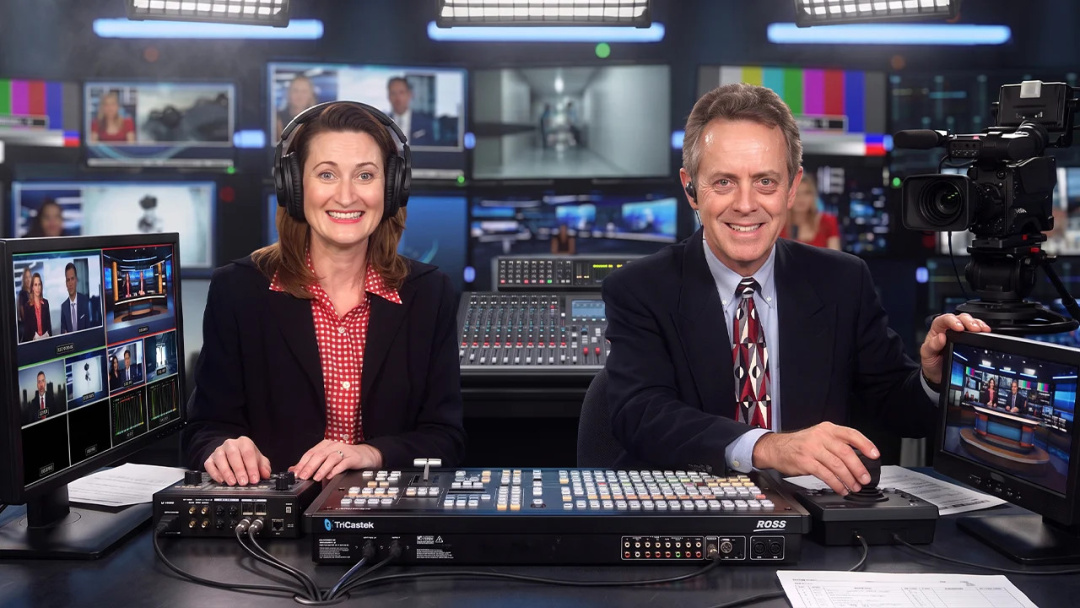
In a striking evolution within local television, anchors are stepping beyond their traditional roles to take on production responsibilities. Caroline Collins, who anchors a livestream at Fox 26 Houston, exemplifies this shift. While delivering the news, she also manages technical elements like switching cameras and controlling audio, a task she described as "incredibly stressful" in a recent social media post. Collins candidly advised aspiring journalists that they will need to be their own producers and directors in this new landscape.
This trend is part of a broader movement as local stations expand their programming across streaming and digital platforms, often with fewer resources. Executives argue that this model provides anchors with greater editorial freedom and allows for more efficient use of newsroom staff. However, the implications of this multitasking raise concerns about burnout, the accuracy of reporting, and the potential erosion of traditional journalism roles.
Beyond the Credits
Words from our Sponsor.
Troy Lynch, an anchor at Tegna-owned 12 News in Phoenix, noted the heightened demands of this new model, stating, "The multi-tasking is really next level." While anchors have historically managed some production tasks, the visibility of these responsibilities has increased, particularly as social media allows them to showcase their work. Keren Henderson, a professor of broadcast journalism, cautioned against viewing self-producing anchors as a new phenomenon, explaining that multitasking has long been a reality in smaller markets.
Raquel Amparo, senior vice president of content at Tegna, emphasized that this trend is not limited to smaller stations but is occurring industry-wide. As local broadcasters push to produce more content, anchors are increasingly involved in the production process, sometimes even operating parts of the production board themselves. This shift allows anchors to have more control over their broadcasts, enabling them to respond to breaking news and compelling stories in real time.
The autonomy experienced by anchors like Marla Tellez at Fox 11 Los Angeles is described as liberating. Tellez appreciates the ability to adjust the broadcast focus on the fly, enhancing the immediacy of live reporting. Lynch echoed this sentiment, noting that having control over the production allows journalists to focus on storytelling rather than being confined to rigid segments.
Economic Implications of Dual Roles
However, this new model raises economic questions about the balance between improving journalism and producing more content with fewer personnel. Henderson pointed out that the shift towards leaner operations often results in cost-saving measures that can impact the quality of journalism. Recent job cuts at E.W. Scripps exemplify the broader trend of reducing staff while increasing content output.
As local newsrooms adapt to these changes, the immediate challenge for anchors is to maintain focus on journalism while managing the technical demands of live production. Lynch expressed concern that the increasing responsibilities might compromise journalistic integrity, as the pressure to perform multiple roles can distract from the core mission of reporting.
The Challenges Ahead for Anchors
The future of anchoring is already being shaped by these changes, with students observing the evolving responsibilities of journalists. As the industry continues to embrace this self-producing model, the question remains: How much can one anchor realistically handle without sacrificing the quality of journalism? Henderson succinctly stated, "The future is here," highlighting the immediate impact of these changes on the profession.
As anchors like Collins, Tellez, and Lynch navigate their expanded roles, the industry must grapple with the implications of this shift. While the ability to produce and direct broadcasts can enhance storytelling, it also places significant demands on individual journalists. The balance between efficiency and quality will be crucial in determining the future landscape of local news. As these professionals adapt to their new dual roles, the ongoing dialogue about the responsibilities of anchors and the sustainability of this model will shape the evolution of broadcasting in the years to come.