Kelly Clarkson's Viral Feud with Brooklyn Store Sparks PR Debate
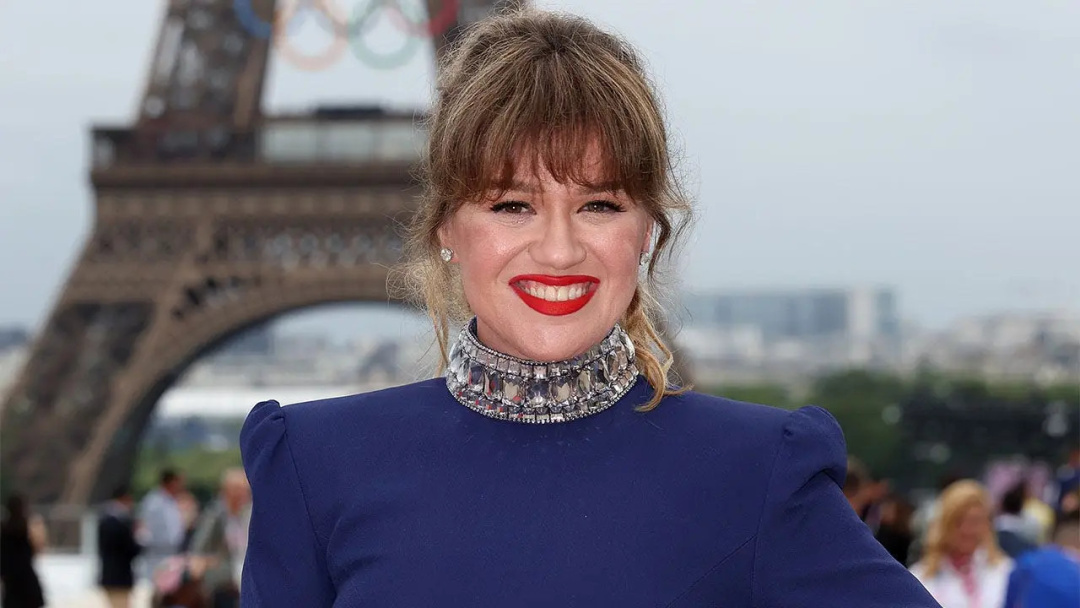
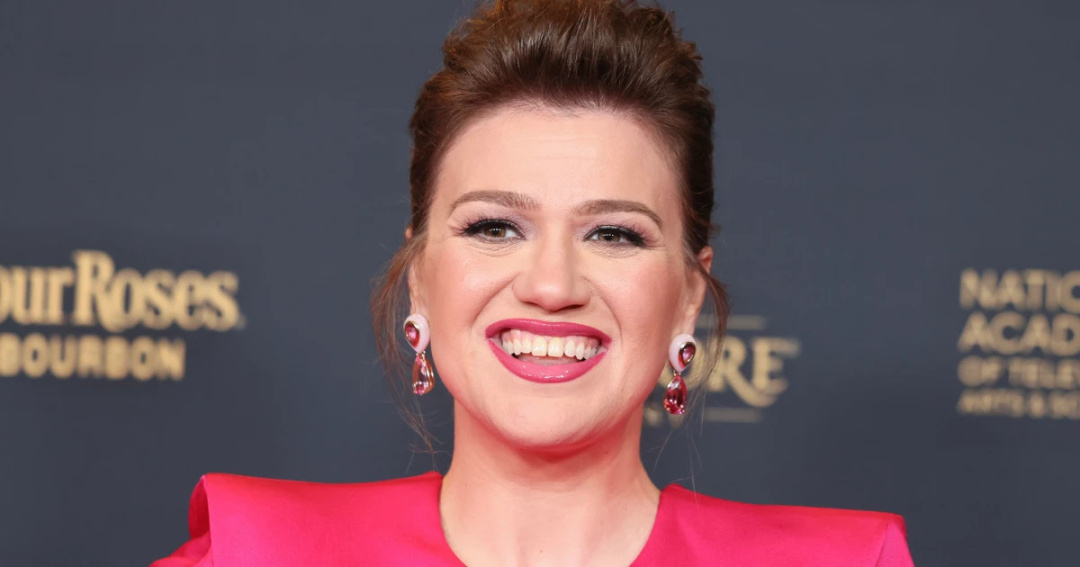
Kelly Clarkson's recent social media callout of the Brooklyn toy store Art of Play has sparked significant conversation about the power of celebrity statements and their impact on small businesses. Over the weekend, Clarkson took to social media to express her frustration after an alleged negative shopping experience at the store, where she sought to purchase a one-of-a-kind singing and dancing bird automaton named "Molly."
In her post, Clarkson described her visit to Art of Play as disappointing, claiming she was treated as if she could not afford the items in the store. "Just drove all the way to Brooklyn to check out this store I thought looked really rad and had a few things in mind to buy and literally was looked at as if I couldn’t afford it and was told he could find something comparable for me," she wrote, expressing her discontent with the treatment she received.
Beyond the Credits
Words from our Sponsor.
Public relations experts have weighed in on the situation, noting that while the viral attention could pose risks for the store, it also presents an opportunity to manage the backlash effectively. Doug Eldridge, founder of Achilles PR, highlighted three critical points regarding the incident: the influence of celebrity statements, the rapid spread of information on social media, and the necessity for businesses to have a crisis communications plan.
Art of Play responded to Clarkson's post, stating that they had been inundated with messages following her comments. The store clarified that the automaton was not for sale, as it serves as a permanent fixture in their shop, and offered to show Clarkson a different singing bird automaton available for purchase. However, Clarkson maintained that the conversation she had with the store's staff contradicted their claims, leading her to label their response as untruthful.
The situation has drawn comparisons to a famous scene from the 1990 film "Pretty Woman," where Julia Roberts' character is dismissed by a boutique saleswoman. Clarkson's reference to this moment resonated with many, further amplifying the discussion around her experience.
Expert Insights on Publicity Outcomes
Experts like Jay Aldebert, chief growth officer at International Services Inc., noted that while the negative attention could harm Art of Play, it could also lead to increased visibility for the store. He suggested that the store could leverage the publicity to create promotional opportunities, such as merchandise related to the automaton.
As the story continues to unfold, the potential for both positive and negative outcomes remains. Art of Play has expressed a desire to resolve the misunderstanding with Clarkson, indicating that they have reached out to her directly. The incident serves as a reminder of the significant influence celebrities wield in today's social media landscape and the implications that can arise from a single post.
The Final Take
This incident exemplifies the profound impact that celebrity statements can have on public perception and business reputations. As Clarkson continues to engage with her followers about the situation, the discourse around customer service and the treatment of consumers—regardless of their status—remains at the forefront. The dynamics of celebrity culture and its intersection with small businesses illustrate the delicate balance that exists in the realm of public relations today.
In the end, Kelly Clarkson's experience at Art of Play has opened up a broader conversation about the responsibilities of businesses when interacting with customers, particularly when those customers have a significant public platform. As the dust settles, both Clarkson and the store have the opportunity to learn from this encounter, potentially turning a moment of conflict into one of growth and understanding for all involved.