Call for Diversity in Nobel Prize Nominations
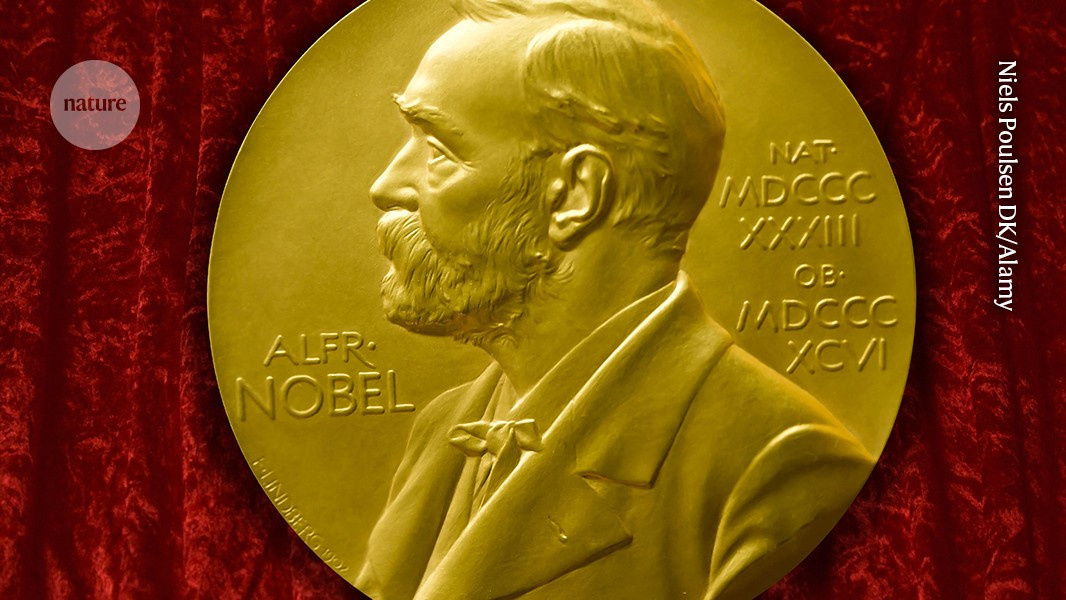
The Nobel Prize, a prestigious accolade in the world of science and literature, has come under scrutiny for its lack of diversity in nominations. The recent awards highlighted this issue, particularly with the 2026 Nobel Peace Prize going to South African lawyer Navanethem ‘Navi’ Pillay and the Nobel Prize in Literature awarded to Canadian writer Anne Carson. While these recognitions are significant, the absence of female laureates in scientific categories such as chemistry, economics, and physics this year is a glaring reminder of the ongoing imbalance in the awards.
Historically, the Nobel Prize has struggled with gender representation, as evidenced by the Nobel Prize in Literature's homepage, which noted that only 19 of the 119 recipients have been women. In stark contrast, the science categories saw a complete sweep by male winners in 2026, continuing a trend observed in previous years. The Royal Swedish Academy of Sciences, responsible for the chemistry and physics prizes, has acknowledged this imbalance and expressed a commitment to fostering change.
Beyond the Credits
Words from our Sponsor.
Since 2019, only seven women have been awarded science Nobels, with four years featuring no female winners at all. This trend raises concerns about the nomination process itself, which has been criticized for being too exclusive. Currently, only a select group of individuals, including past laureates and select professors from Nordic countries, can nominate candidates directly. While efforts have been made to broaden the pool of nominators, including encouraging more women to participate, the process remains limited.
Efforts to Enhance Nomination Diversity
In response to these challenges, the Nobel committees have taken steps to address diversity issues. In 2018, they reached out to eligible nominators, urging them to consider a wider range of candidates that reflect gender, geographical, and thematic diversity. This initiative has resulted in women now constituting about 40% of the nominators, a promising sign for future nominations. However, the path to true inclusivity remains fraught with obstacles.
Until the Next Moment
To expedite change, collaboration with global scientific organizations and universities has been suggested. These partnerships could facilitate broader outreach and increase the diversity of nominations. The Nobel organizations face mounting pressure from various quarters, including governmental interference, making it crucial to build alliances that can support their mission.
Moreover, as discussions about the role of machines in scientific discoveries gain traction, the Nobel Prize must first ensure that it accurately reflects the diversity of the research communities today. This shift is essential not only for recognizing deserving individuals but also for maintaining the integrity of the scientific community as a whole. The ongoing dialogue about diversity in Nobel Prize nominations highlights the need for a more inclusive recognition system that honors the contributions of all scientists, regardless of gender or background.