Remembering the Unsolved: Black Murders That Still Haunt Us
In an era where true crime documentaries are on the rise, it’s easy to overlook the grim reality that many unsolved murders represent. The recent decision by a grand jury not to file charges in the mysterious death of 18-year-old Nolan Wells serves as a somber reminder of the many Black lives lost to violence without justice.
The case of Kendrick Johnson, a 17-year-old found dead in a gym mat in 2013, continues to evoke outrage, as many refuse to accept the official ruling of accidental death. Such instances are not isolated; they reflect a broader pattern of unsolved cases within the Black community, often exacerbated by systemic racism and inadequate law enforcement efforts.
Beyond the Credits
Words from our Sponsor.
As we reflect on these unresolved tragedies, we remember the stories of those who have been silenced. The Moores, considered early civil rights martyrs, are emblematic of the racial violence that has marred American history. Their tragic fate remains a stark reminder of the injustices faced by Black individuals throughout the decades.
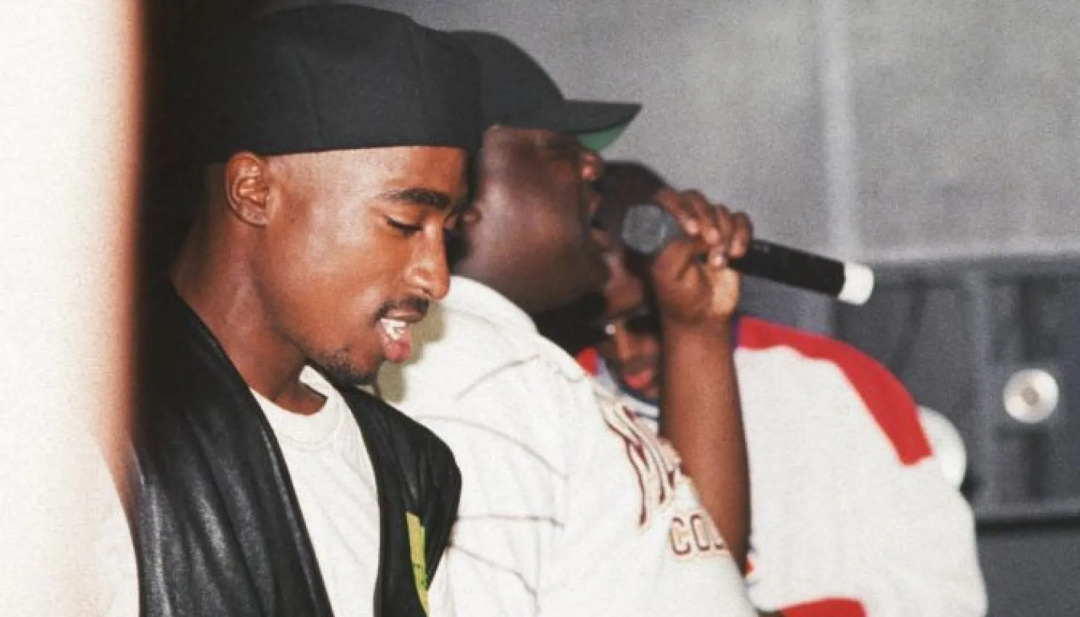
The unsolved murders of iconic figures like Tupac Shakur and The Notorious B.I.G. illustrate the intersection of fame and tragedy in the hip-hop community. Both artists were gunned down in drive-by shootings that remain officially unresolved, leaving fans and family members to grapple with their legacies amidst the unanswered questions surrounding their deaths.
Kenneka Jenkins, whose mysterious death in a hotel freezer in 2017 sparked widespread speculation and concern, is another case that highlights the need for thorough investigations. The circumstances of her death raise more questions than answers, leaving many to wonder how such a tragedy could occur without accountability.
The Human Cost of Unsolved Cases
As we delve into these cases, it’s crucial to remember that behind each statistic is a human life, a family left to mourn, and a community seeking justice. The lack of resolution in these cases not only affects the families involved but also serves as a reflection of societal failures to protect and seek justice for marginalized communities.
The ongoing struggle for justice in these unsolved cases underscores a larger conversation about race, violence, and the need for systemic change within our justice system. As we honor the memories of those lost, we must also advocate for the changes necessary to ensure that their stories are not forgotten.
The Moment That Stays
The fight for justice for victims like Jelani Day, whose disappearance and subsequent death raised questions about the disparity in media coverage compared to other missing persons cases, exemplifies the urgent need for equitable treatment in investigations. The stark contrast between the attention given to cases involving Black individuals versus their white counterparts highlights a troubling reality that cannot be ignored.
As we reflect on these ten unsolved murders, we are reminded of the importance of keeping their memories alive. Each case represents not just a tragedy, but a call to action for justice, accountability, and systemic reform. Together, we can ensure that these lost souls are never forgotten and that their stories continue to resonate within our collective consciousness.