Dennis Vanderbroeck Designs Spaces That Create Memorable Experiences
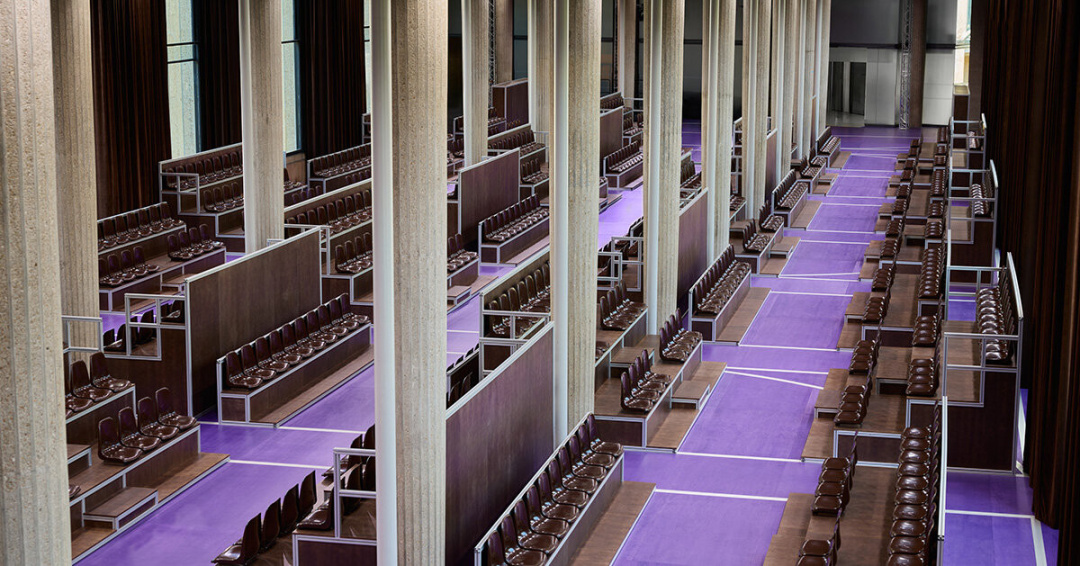
Fashion shows and live performances may be fleeting, but the impact of the environment where they occur can be profound. Dennis Vanderbroeck, a Dutch spatial designer, is dedicated to capturing this essence, crafting settings that not only host events but also shape the interactions between performers and their audiences. With a background in theater, Vanderbroeck emphasizes the importance of experience over mere aesthetics in his designs, believing that the space should facilitate meaningful encounters.
At the recent Milan and Paris fashion weeks, Vanderbroeck showcased his innovative approach through collaborations with Diesel and Miu Miu. For Diesel, he created a scaffolded runway that emphasized collective energy, encouraging a sense of community among attendees. This design was not just about showcasing fashion; it was about creating a performative setting where the boundaries between audience and performer blurred. Models moved through a space that was alive with interaction, challenging the traditional dynamics of fashion presentations.
Beyond the Credits
Words from our Sponsor.
In contrast, his work for Miu Miu's Spring/Summer 2027 show at the Palais d’Iéna in Paris took a different direction. Here, Vanderbroeck designed a more intimate setting, with closely arranged bleachers and a narrow catwalk that harkened back to the 1990s runway shows. This layout allowed the audience to feel a direct connection with the models as they passed by, reinforcing the idea that the experience of the show is as much about the crowd as it is about the clothing.
Both projects reflect Vanderbroeck's ongoing exploration of the relationship between the individual and the group. He notes, "In our fashion work, we always try to do something with this idea of the collective versus the singular, the individual." This tension is what makes each event unique, as the audience's presence and reactions contribute to the overall experience. Vanderbroeck's designs encourage a dynamic interplay, allowing for unexpected moments to unfold.
The concept of adaptability also played a significant role in Vanderbroeck's collaboration with Miu Miu, which was designed with future events in mind. The show was linked to Geste de Consolation, an exhibition by French filmmaker Alice Diop at Art Basel Paris. Vanderbroeck envisioned a space that could transition from a fashion show to an art exhibit, with modular elements that could be reconfigured to create new meanings in different contexts. This foresight reflects his belief that design should not be static but rather evolve with its use.
Theatrical Elements in Vanderbroeck's Designs
Theater continues to influence Vanderbroeck's work, even when he is designing for other performance forms. His set for Issey Miyake’s OPEN STUDIO at Tate Modern exemplified this, as he utilized the museum's architecture to create varying degrees of intimacy between performers and the audience. The experience shifted from a collective embrace to a more personal interaction, demonstrating how the setting can dictate the nature of engagement.
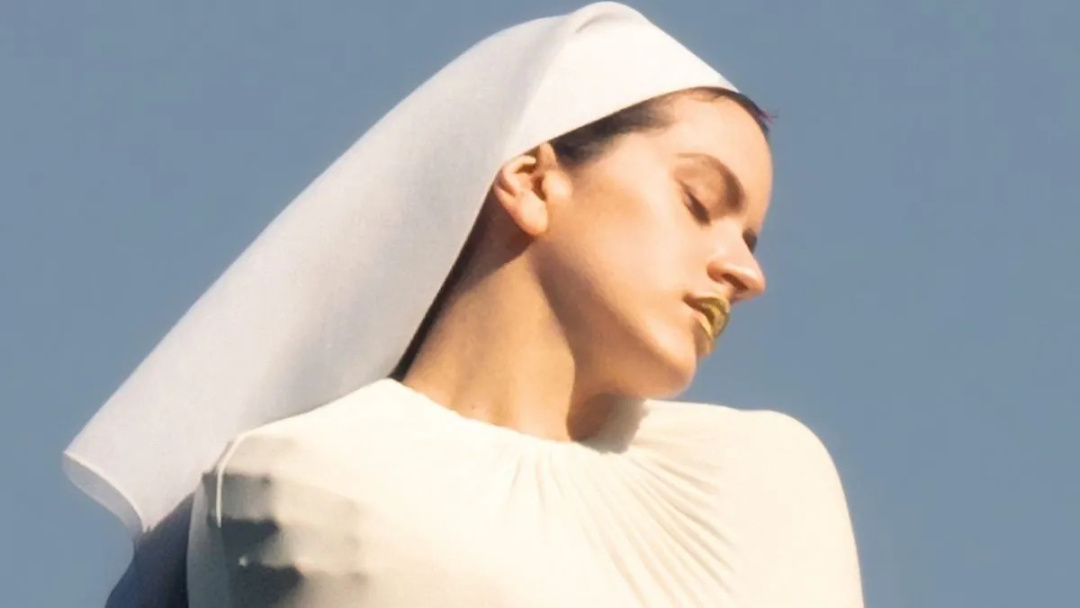
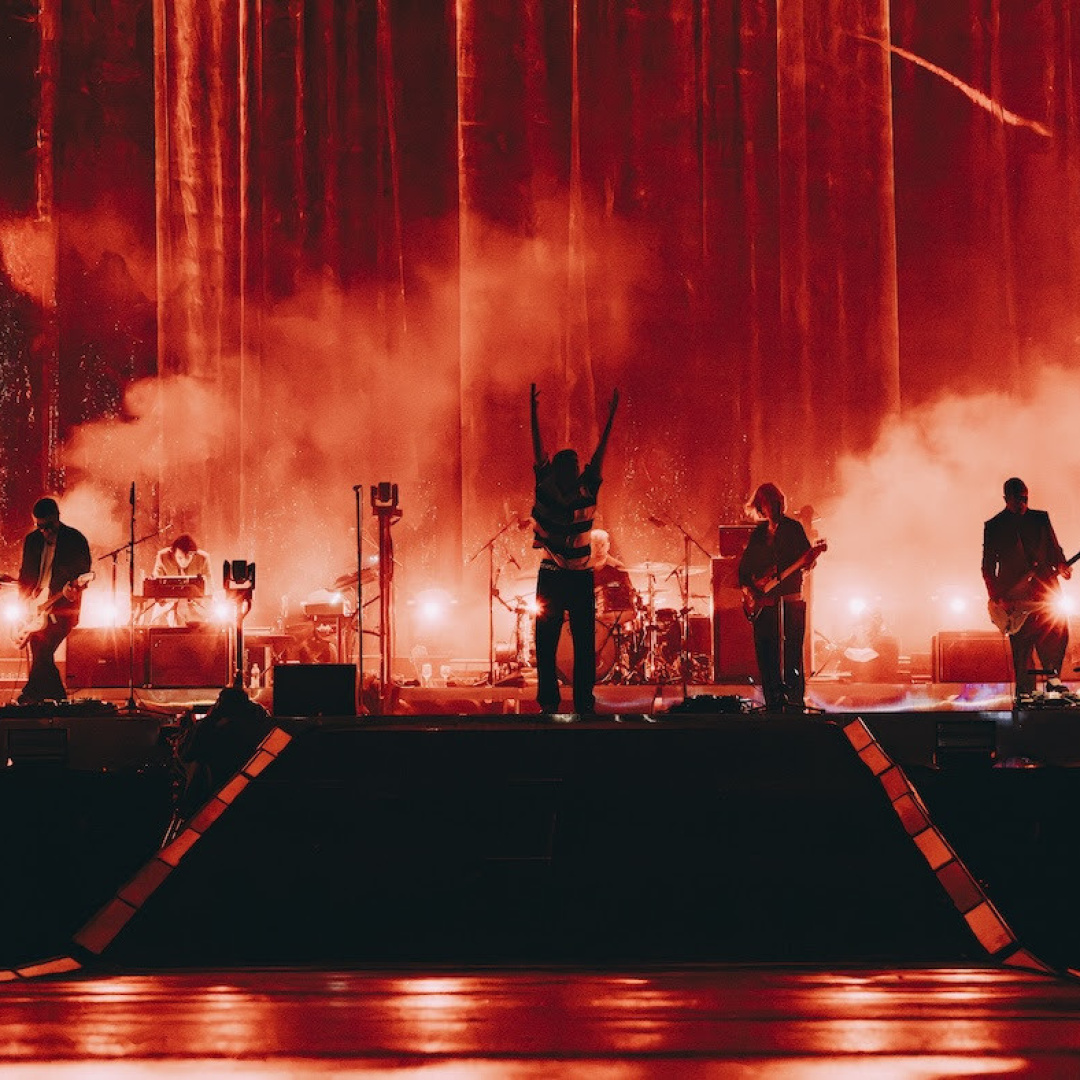
Vanderbroeck's interest in live experiences extends to music as well. His collaboration with Rosalía for the Lux Tour brought together elements from fashion, theater, and fine art, culminating in a project that he describes as an accumulation of his practice. He prioritizes the physical experience of events, stating, "I’m always trying to intentionally design from the physical experience." While he acknowledges the significance of how events are documented online, he remains focused on the in-person experience, believing it cannot be replicated through a screen.
In a world where live events are increasingly shared on social media, Vanderbroeck understands the impulse to capture these moments. However, he emphasizes that the essence of an event lies in the unique arrangement of people, bodies, and time, which cannot be fully captured through photographs. His recent work on Anton Chekhov’s The Seagull serves as a reminder of this unpredictability; despite meticulous planning, the audience's response remains a variable that can transform the experience.
The Final Take
Vanderbroeck's philosophy highlights the importance of creating spaces that foster genuine connections, whether in fashion, theater, or music. His designs are not merely backdrops; they are integral to the narrative of the event, shaping how audiences engage with performances. As he continues to push the boundaries of spatial design, Vanderbroeck remains committed to exploring the interplay between individual experiences and collective moments, ensuring that each setting he creates is a catalyst for connection.
In an era where the live experience is often overshadowed by digital documentation, Dennis Vanderbroeck's work stands out for its emphasis on the physicality of events. By designing spaces that encourage interaction and connection, he not only enhances the experience of fashion shows and performances but also redefines what it means to gather together in a shared moment. His innovative approach serves as a reminder of the power of design in shaping our collective memories and experiences.