Russian SU-30 Fighter Jet Crashes in Kaliningrad Region
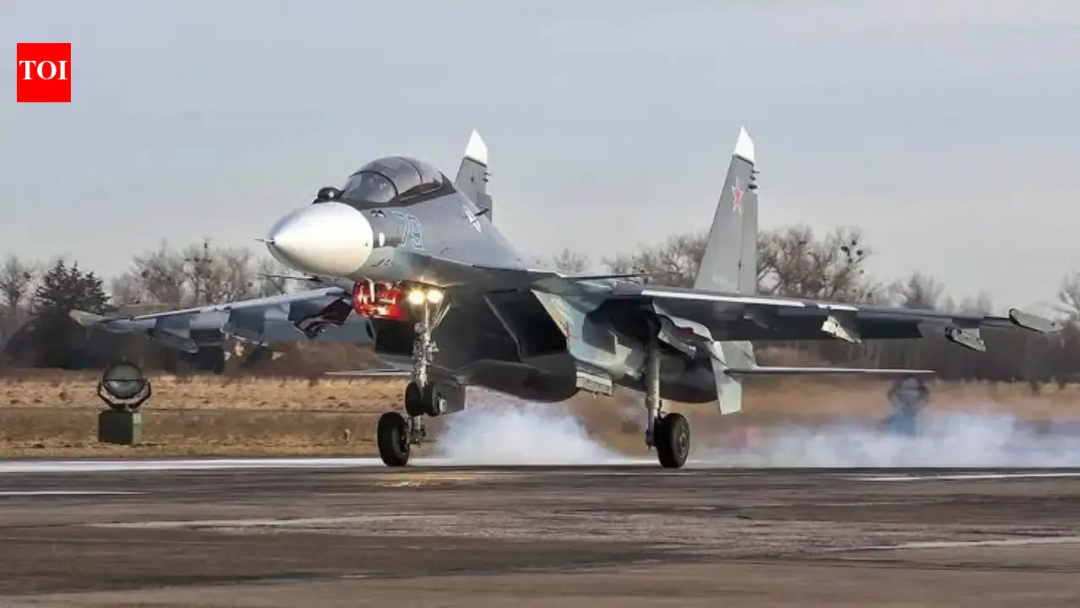
A Russian SU-30 fighter jet crashed in the Kaliningrad region on Wednesday, marking a significant event in military aviation. While the cause of the crash is currently unknown, it has been confirmed that both pilots were able to eject safely, avoiding any casualties. This incident has drawn attention not only for the immediate safety of the pilots but also for the implications it may have on military operations and aviation safety protocols in the region.
The SU-30 is a versatile fighter jet known for its advanced capabilities, and incidents like this raise questions about the maintenance and operational readiness of such aircraft. The Russian defense ministry has stated that an investigation will be launched to determine the cause of the crash, which is a standard procedure in such cases. The situation is being closely monitored, and further details are expected to emerge as the investigation unfolds.
Beyond the Credits
Words from our Sponsor.
Military aviation incidents can often lead to broader discussions about safety standards and the pressures faced by pilots and ground crews alike. As nations continue to invest in advanced military technology, ensuring the safety of personnel remains a top priority. The crash of the SU-30 serves as a reminder of the inherent risks associated with military aviation, even in peacetime.
This event has also sparked conversations among defense analysts and military enthusiasts about the implications of such incidents on national security and military readiness. The Kaliningrad region, being strategically important, is often in the spotlight for military activities, and any incident involving military aircraft can have ripple effects on regional stability and defense postures.
As the investigation progresses, it will be important to observe how this incident influences military policy and aviation safety standards in Russia and beyond. The swift ejection of the pilots without injury is a fortunate outcome, but the crash itself raises significant questions that need to be addressed to prevent future occurrences.
The Broader Implications of Military Aviation Safety
In light of this incident, military experts will likely analyze the factors that contribute to such crashes, including pilot training, aircraft maintenance, and operational protocols. The SU-30, while a formidable aircraft, is not immune to technical failures or human error, and understanding the root causes of this crash will be crucial for improving safety measures.
The military community will be watching closely as the investigation unfolds, hoping for insights that could enhance the safety of future operations. This incident serves as a stark reminder of the challenges faced by armed forces worldwide, where the balance between operational readiness and safety is constantly tested.
The Final Take
As we reflect on the crash of the Russian SU-30, it is essential to recognize the bravery of the pilots who managed to escape unharmed. Their safety is a positive outcome in an otherwise concerning event. Moving forward, the focus will undoubtedly be on how military aviation can continue to evolve and improve safety standards to protect those who serve. This incident not only highlights the risks involved in military operations but also the ongoing need for vigilance and improvement in aviation safety practices.