Eleanor Coppola's Vision Realized: Sofia Completes 'Making Marie Antoinette'
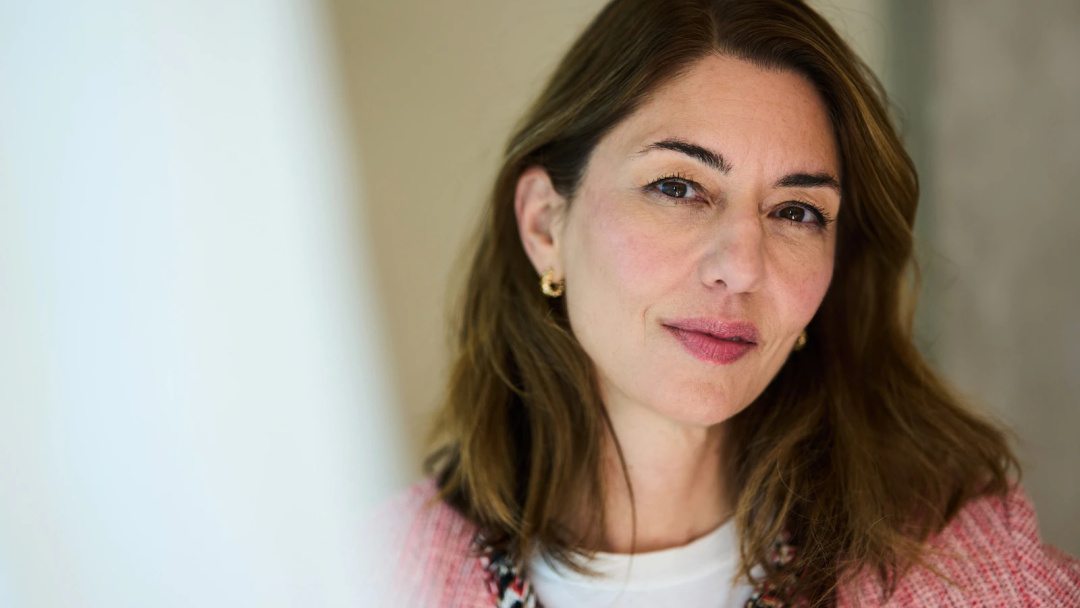
In 2005, Eleanor Coppola captured 80 hours of behind-the-scenes footage during the production of her daughter Sofia Coppola's ambitious film, 'Marie Antoinette.' This project, which was Sofia's third feature, allowed for unprecedented access to the Palace of Versailles, supported by a budget of $40 million and a rigorous shooting schedule of 57 days. Eleanor, known for her acclaimed documentary 'Hearts of Darkness: A Filmmaker’s Apocalypse,' originally aimed to document the filmmaking process for marketing purposes rather than to create her own film. "She loved to show how things are made," Sofia shared in a recent interview with The Associated Press, emphasizing her mother's fascination with the realities of filmmaking.
After the film's release, Eleanor felt frustrated that her footage had not been utilized in a way that highlighted the intricate costumes designed by Milena Canonero. During the COVID-19 pandemic, Eleanor revisited her footage and began to envision a larger project. Tragically, she passed away in April 2024 before seeing her dream come to fruition. However, Sofia took on the task of completing the documentary, now titled 'Making Marie Antoinette,' which offers an intimate look at the creative process and is currently screening in select theaters, with a streaming release on Mubi set for November 6.
Beyond the Credits
Words from our Sponsor.
Sofia described her inspiration for the film, stating, "I always loved Frederick Wiseman’s films that don’t have any plot. They’re just like fly on the wall." This approach allowed the documentary to capture the essence of life on set without the dramatic crises often seen in other behind-the-scenes films. The production of 'Marie Antoinette' was notably smooth, contrasting with the chaotic environment of 'Hearts of Darkness.'
Personal Moments and Collaborative Vision
The documentary also features personal moments, including the first meeting between Eleanor and Sofia’s then-boyfriend, Thomas Mars, and interactions with the late Marianne Faithfull, who praised Eleanor’s work. As Sofia worked through her grief, she and her collaborators focused on realizing Eleanor's vision, which included incorporating Eleanor's journal entries narrated by Diane Lane, a long-time family friend and collaborator.
The Final Take
The original 'Marie Antoinette' faced a rocky reception, infamously booed at the Cannes Film Festival and receiving mixed reviews. However, it has since undergone a significant cultural reappraisal, culminating in a celebration of its 20th anniversary, which includes the release of 'Making Marie Antoinette,' a 4K re-release of the film, a behind-the-scenes book, and an exhibition at Petit Trianon in Versailles.
As Sofia reflects on this project, she sees it as a way to honor her mother's legacy as an artist and documentarian. "It’s such a gift that she gave us this footage and that I got to kind of spend this year of grieving her in this way," she said. Through this documentary, the world gets a glimpse of Eleanor's unique perspective and the intimate moments that shaped the making of a film that has become a significant part of contemporary culture.