Understanding When to Use Motion Smoothing on Your TV
Modern televisions come equipped with a plethora of features, many of which are activated by default, but not all are ideal for every type of content. One of the most debated features is motion smoothing, also referred to as motion interpolation or the 'soap opera effect.' This technology generates additional frames between the original video frames, effectively doubling the frame rate of footage shot at 30 frames per second to 60 frames per second. While this can create a smoother viewing experience, it often results in a hyper-realistic look that some viewers find detracts from the artistic intent of filmmakers and television creators.
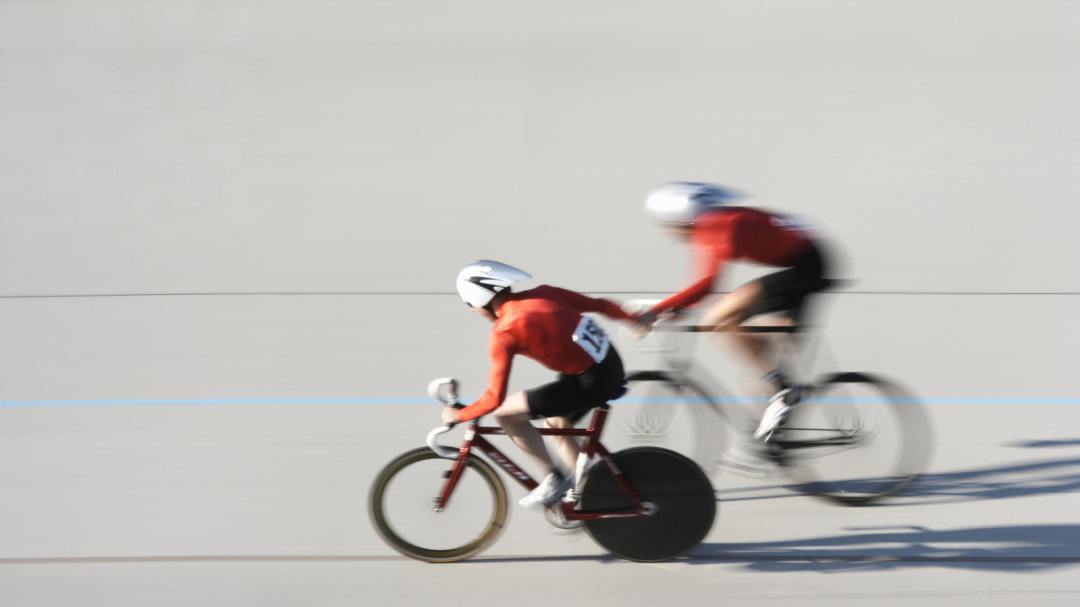
The process of motion smoothing involves algorithms that calculate intermediate frames based on the existing frames. Each TV manufacturer employs its own proprietary methods for this post-processing effect, with some even using advanced AI techniques like NVIDIA's DLSS Frame Generation. Despite the mixed reception, motion smoothing can be beneficial for specific types of content, particularly sports broadcasts, which often suffer from motion blur. The fast-paced nature of sports can make 30 FPS footage appear muddy, but motion smoothing can enhance clarity, making it easier for viewers to follow the action.
Beyond the Credits
Words from our Sponsor.
For sports fans, larger TVs can exacerbate the visibility of motion stutter in lower frame rate content. This is particularly relevant as many consumers are opting for bigger screens, which can make the jumpiness of 30 FPS footage more noticeable. Therefore, using motion smoothing during sports events can significantly improve the viewing experience, providing a more immersive feel that mimics watching the event live.
However, traditional animation presents its own challenges when viewed with motion smoothing. Animated films and shows often maintain a frame rate of around 12 FPS, which contributes to their unique style. Applying motion smoothing to these types of content can lead to unnatural visuals that detract from the animation's charm. Adjusting the motion smoothing settings to a lower degree can help alleviate the jerky movements during slow pans without compromising the overall aesthetic.
As technology evolves, OLED TVs have emerged as a popular choice for their impressive pixel response times, which can highlight motion gaps in lower frame rate content. While these displays offer exceptional clarity, they can also make 24 FPS and 30 FPS videos appear choppy. Some OLED models include settings designed to balance the cinematic look while addressing motion gaps, such as LG's 'Cinematic Movement' feature.
Enhancing Live Concert Experiences with Technology
Live music events also benefit from motion smoothing, as it can enhance the immersive quality of the footage. When watching concerts recorded in high definition, motion interpolation can make the experience feel more like being present at the event. However, not all concerts are suited for this treatment; those with a cinematic production style may lose their intended look if motion smoothing is applied excessively.
As screen sizes continue to grow and prices decrease, many viewers are reconsidering their viewing setups, including the shift from traditional TVs to projectors. This trend toward larger displays necessitates careful tuning of motion smoothing settings to avoid discomfort or eye strain during extended viewing sessions. For those who enjoy capturing home videos, recording at 60 FPS can enhance the realism of memories, and using motion smoothing can further improve the viewing experience of older footage.
Cue the Credits
While motion smoothing is often discouraged in gaming due to potential input lag, it can still be beneficial for turn-based games or those where real-time responsiveness is less critical. For modern console games that run at 30 FPS, applying motion interpolation can enhance visual smoothness without negatively impacting gameplay. This nuanced approach allows viewers to enjoy a more polished visual experience without sacrificing the integrity of the content.
In summary, while motion smoothing has its critics, it can serve a valuable purpose in enhancing the viewing experience for specific types of content, particularly sports and live performances. Understanding when and how to use this feature can help viewers maximize their enjoyment of modern television technology.