Natural History Museum's Legal Victory Reduces Rental Value to £1
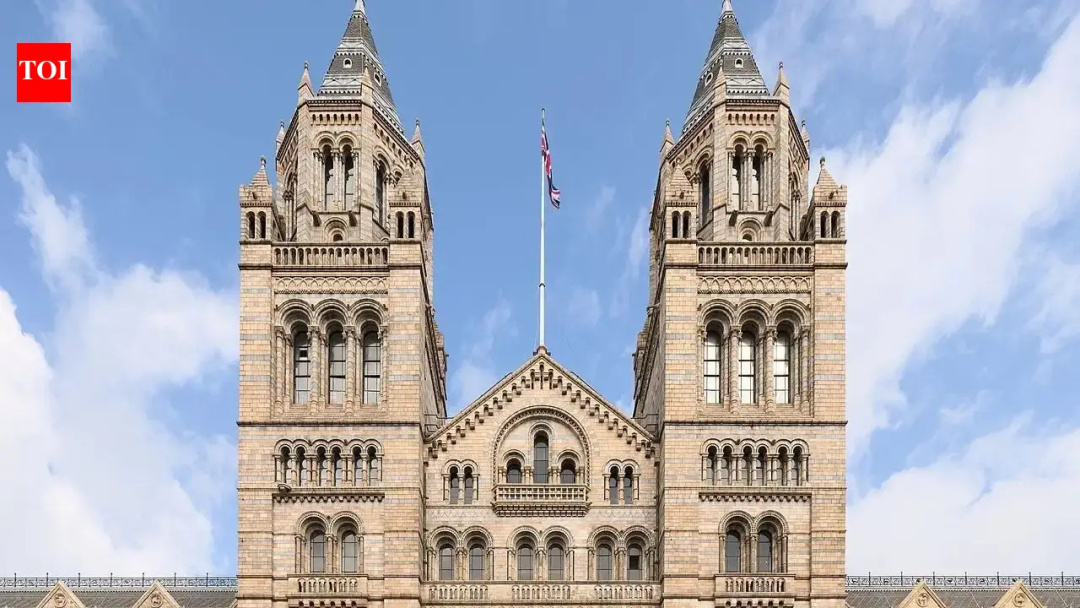
In a groundbreaking legal battle, London’s Natural History Museum has successfully reduced its annual rental value from £12.92 million to a mere £1, a decision that could significantly impact how national museums across England are taxed. The Valuation Tribunal for England ruled that the museum should not be treated as a profitable commercial property, taking into account its financial situation and commitment to free public admission. This ruling is expected to prompt a shift in the government’s approach to valuing free-entry museums and galleries, offering substantial financial relief to institutions grappling with rising operational costs.
The museum's appeal focused on the proper valuation of its property for business rates. Initially listed at £12.92 million in the 2017 Rating List, the valuation was later reduced to £4.16 million based on rebuilding costs. However, the museum contended that a nominal valuation of £1 more accurately reflected the economic realities of operating a public institution. The tribunal's decision, effective from April 1, 2017, marked a significant win for the museum, establishing it as the first national museum in the UK to achieve such a reduction in business rates.
Beyond the Credits
Words from our Sponsor.
The tribunal's findings emphasized the museum's unique role as a public service entity, distinguishing it from standard commercial properties. The museum conducts scientific research, preserves collections, and provides free access to visitors, which fundamentally alters its operational dynamics compared to a profit-driven business. Law firm Mills & Reeve, which analyzed the ruling, noted that the tribunal recognized the museum's financial accounts, which demonstrated an inability to operate profitably even with government funding.
Implications for Museums and Cultural Institutions
This decision holds broader implications for other museums and cultural institutions in England. Following the tribunal's ruling, the Department for Digital, Culture, Media and Sport announced that the Valuation Office would cease using the notional receipts approach when assessing free-entry museums. Previously, assessors estimated hypothetical ticket revenue based on visitor numbers and assumed admission charges, which often led to inflated valuations not reflective of the actual financial circumstances of these institutions.
After the Applause
The Museums Association has indicated that this revised approach could lead to significant backdated savings for the Natural History Museum and potentially provide grounds for other museums to review their own business rates liabilities. However, it's important to note that a reduction to £1 is not guaranteed for every institution, as some may retain higher valuations based on their financial performance.
Overall, the Natural History Museum's landmark victory not only highlights the importance of reassessing how national museums are valued but also reinforces the need for financial structures that support public access to cultural institutions. This ruling could pave the way for a more sustainable future for museums that rely heavily on public funding and aim to serve their communities without the burden of excessive business rates.